What Is the Best Age for LASIK?
LASIK eye surgery has helped millions achieve clearer vision without glasses or contact lenses. But one of the most common questions people ask is: What is the best age to get LASIK? While LASIK can be performed on adults of various ages, several factors—such as eye development, prescription stability, and age-related changes—determine when it’s most beneficial.
Understanding LASIK and Its Age Qualifications
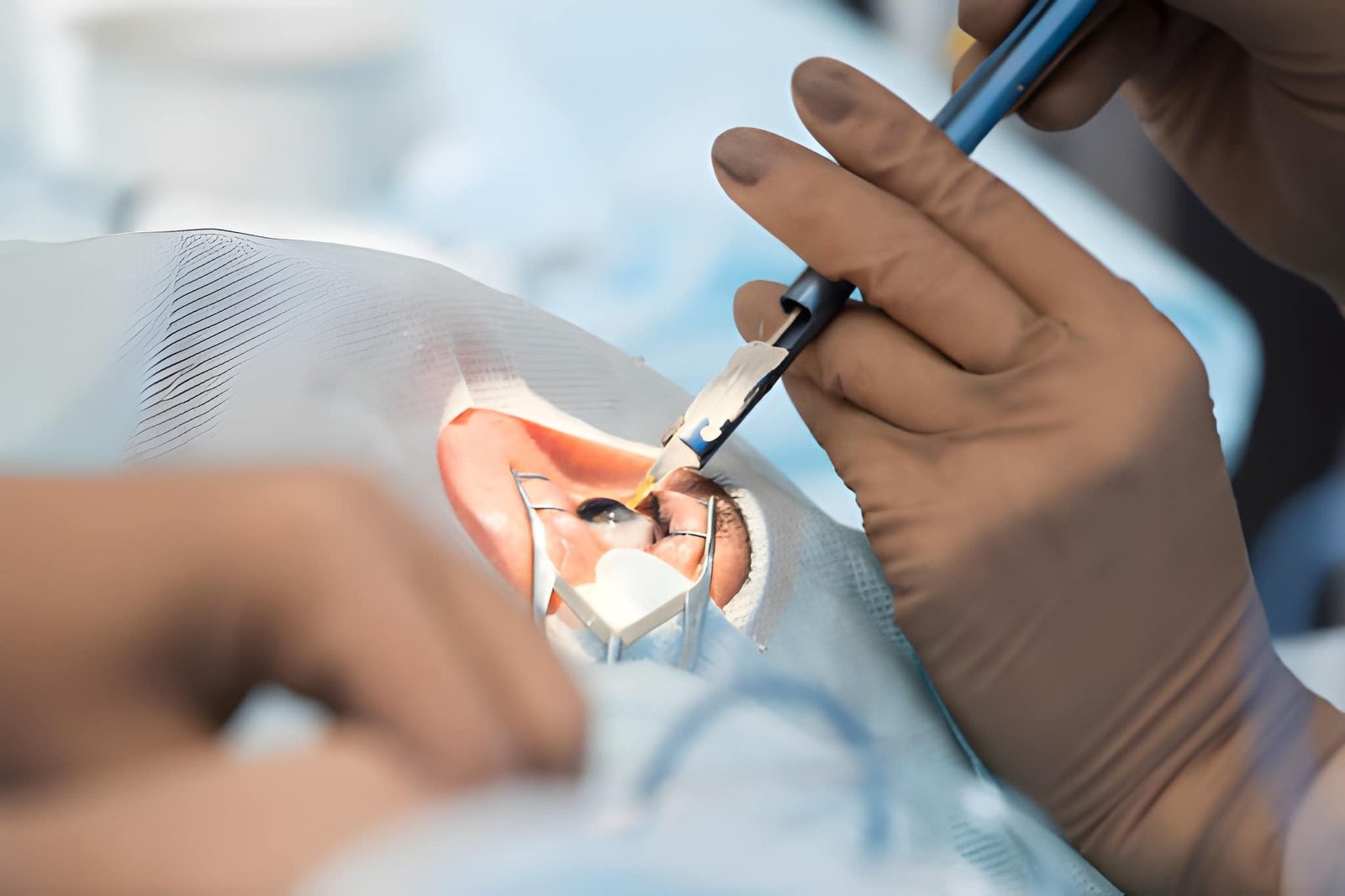
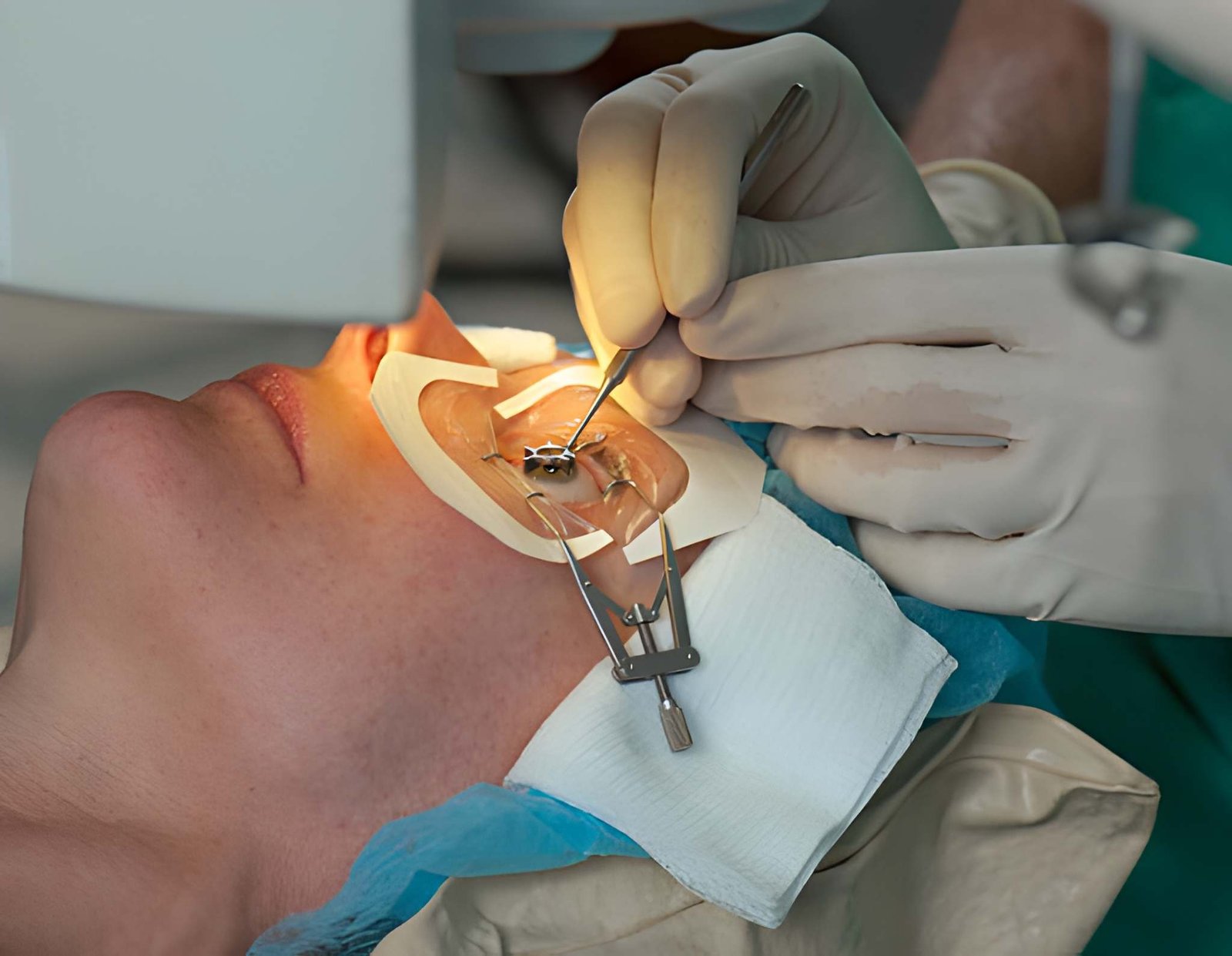
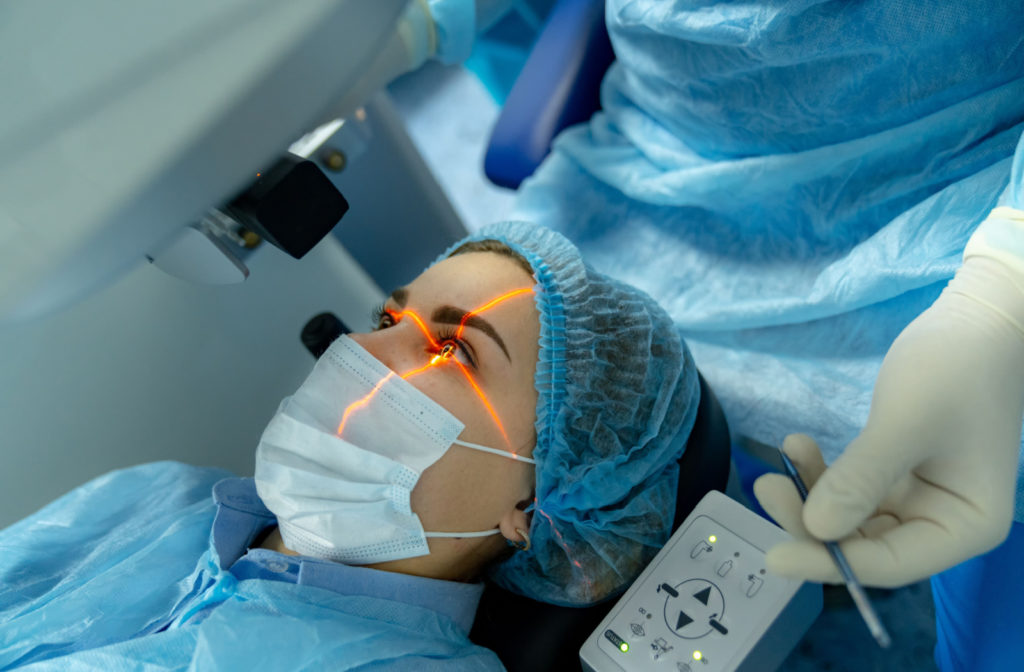
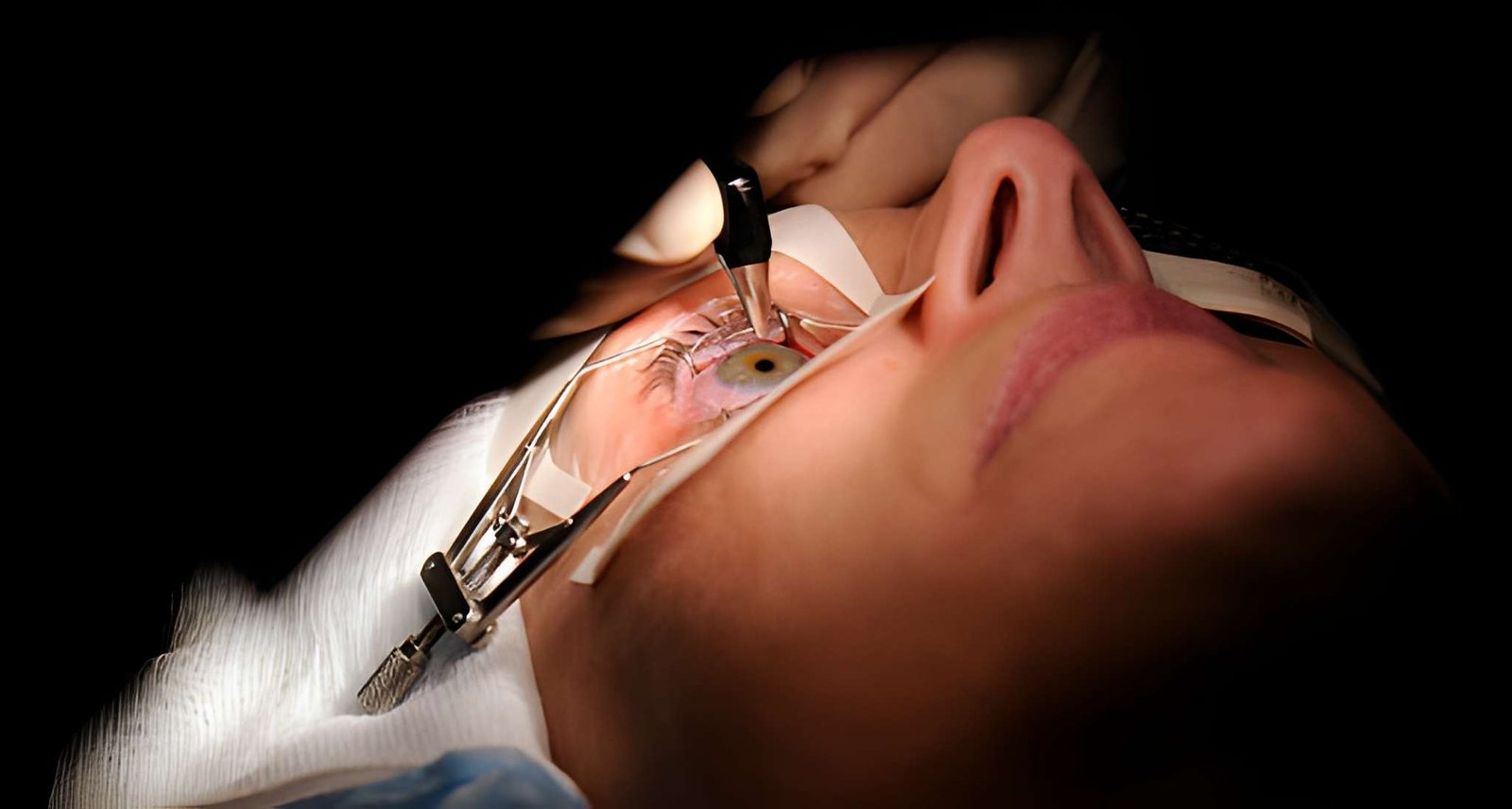
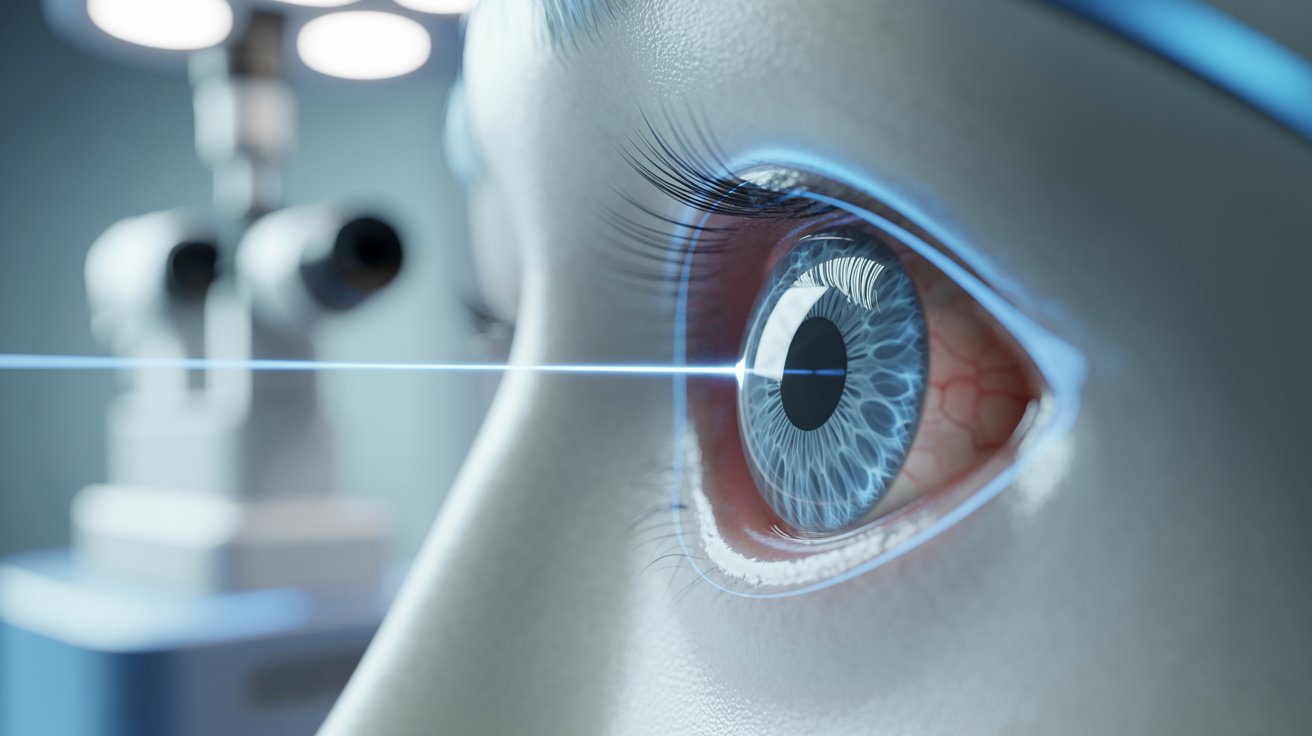
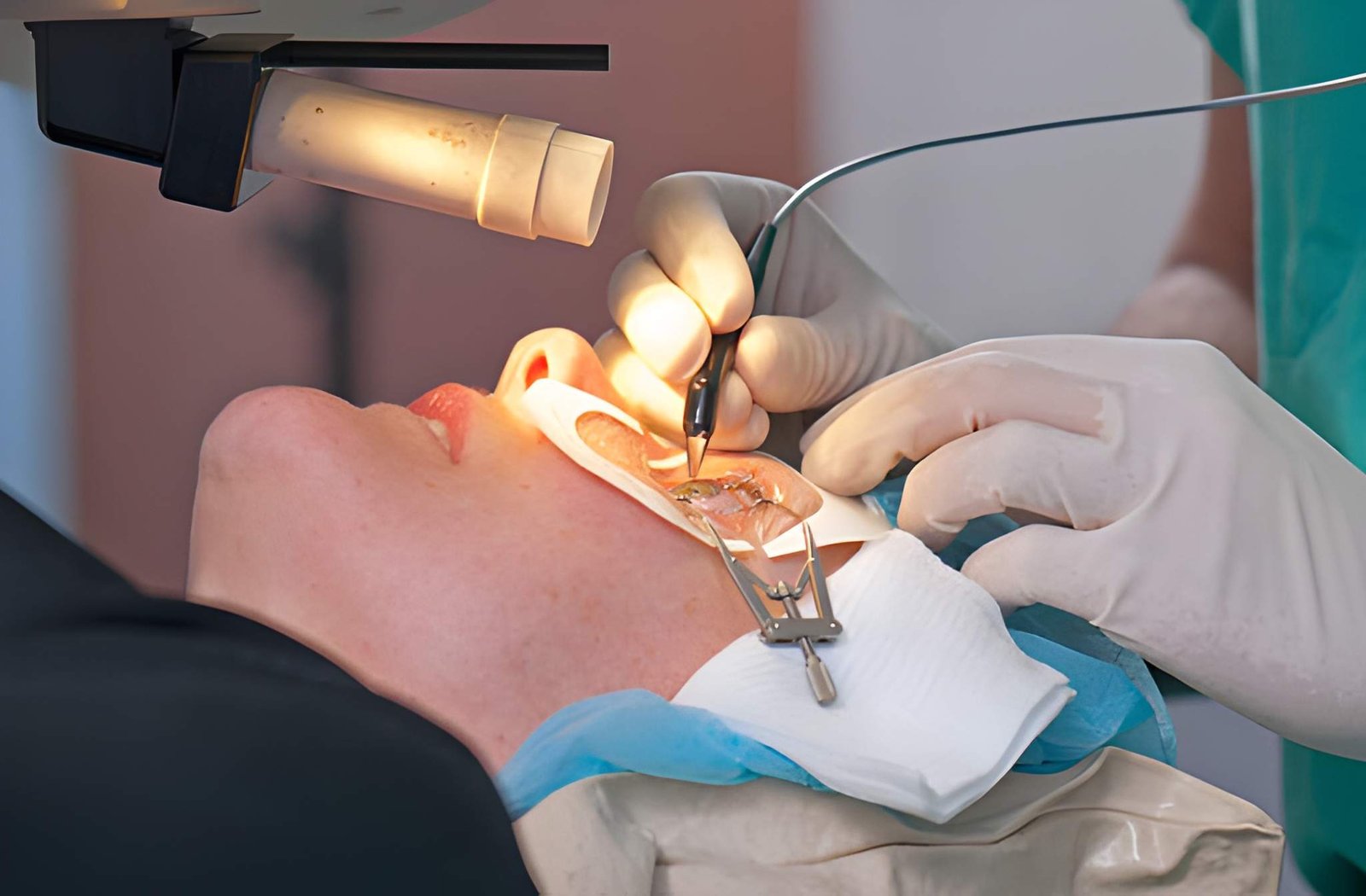
LASIK (Laser-Assisted in Situ Keratomileusis) reshapes the cornea to correct refractive errors like nearsightedness, farsightedness, and astigmatism. The U.S. Food and Drug Administration (FDA) has approved LASIK for individuals who are at least 18 years old, provided their vision prescription has been stable for at least one year. Beyond this requirement, the ideal time depends on personal eye health and lifestyle goals, and consulting the best eyes doctor in dubai can help determine the most suitable treatment option for you.
LASIK by Age Group: What to Expect
LASIK for Ages 18–24
During late teens and early twenties, the eyes are still stabilizing. Many individuals in this range experience minor prescription changes each year. For most, it’s best to wait until their eye prescription remains unchanged for 12 to 24 months. However, some people in their early 20s who meet stability criteria can still enjoy great results from LASIK.
LASIK for Ages 25–40
This is widely considered the optimal age range for LASIK. By this time, vision prescriptions have typically stabilized, and the eyes are generally healthy. People in this age group can expect long-lasting results and a reduced need for retreatment. LASIK in this stage fits easily into active lifestyles, helping individuals enjoy work, exercise, and travel without the hassle of corrective lenses.
LASIK for Ages 40–55
As we reach our 40s, the natural aging process of the eye brings a condition called presbyopia, where the ability to focus on close objects starts to diminish. While LASIK can still correct distance vision, some patients may need reading glasses afterward. Options like monovision LASIK—where one eye is adjusted for near vision and the other for distance—can help maintain a glasses-free lifestyle for many years.
LASIK for Ages 56 and Older
By the mid-50s and beyond, other age-related vision concerns, such as cataracts, often emerge. For some individuals, LASIK is no longer the best option. Instead, Refractive Lens Exchange (RLE) or advanced cataract surgery with premium lens implants may be recommended. These procedures not only correct vision but also prevent cataract development in the future.
Factors That Influence Your Candidacy for LASIK
While age plays a role, LASIK candidacy is primarily based on eye health and corneal stability. Here are some important factors eye surgeons assess before recommending LASIK:
- Stable Vision Prescription: Your vision should not have changed significantly within the past year.
- Corneal Thickness and Health: Adequate corneal tissue is necessary for safe reshaping during the procedure.
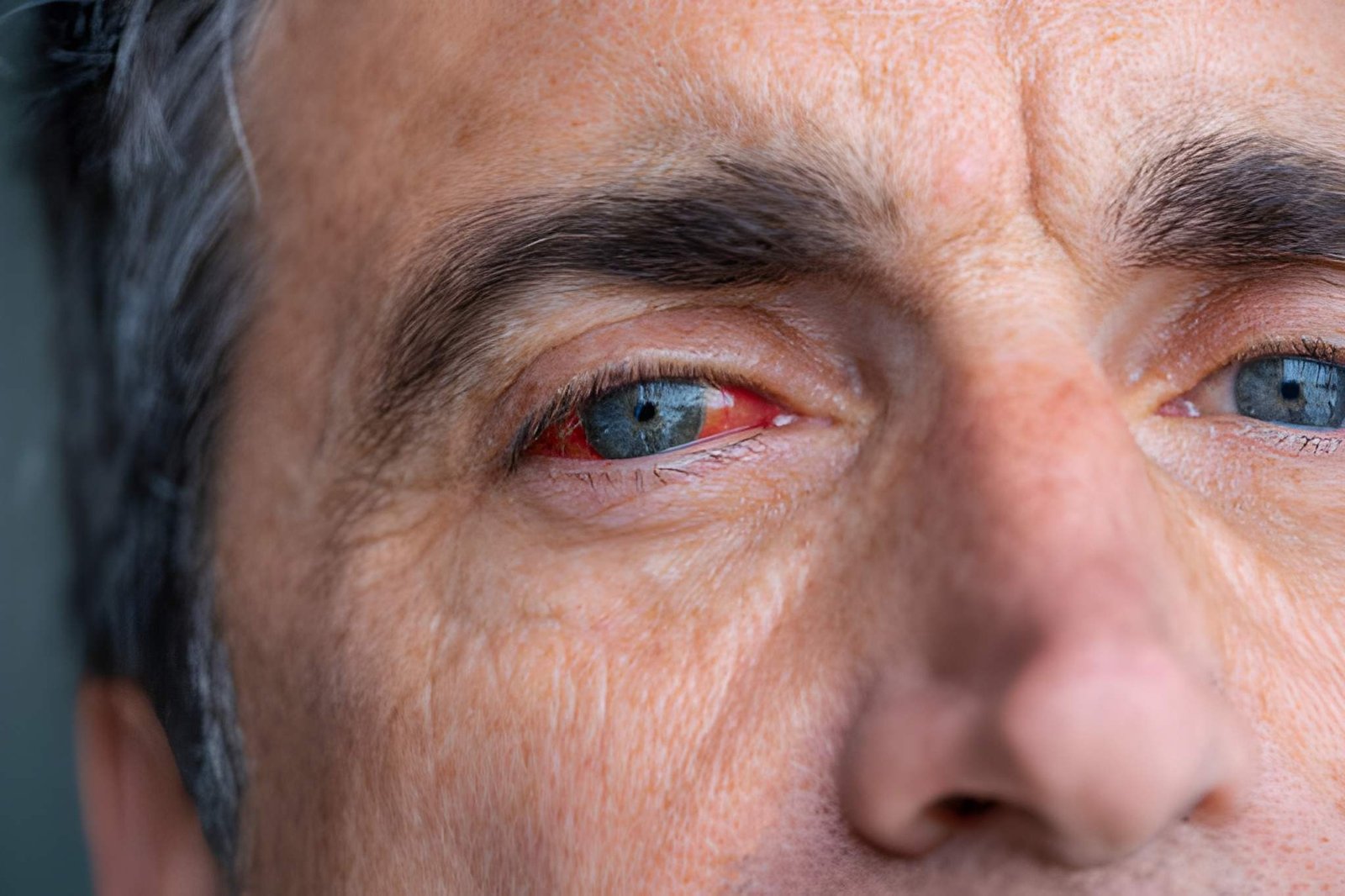
- Overall Eye Health: Conditions like glaucoma, severe dry eye, or keratoconus may affect eligibility.
- Pregnancy or Hormonal Changes: Hormones can temporarily affect vision stability, so LASIK is often postponed until after pregnancy or breastfeeding.
- Realistic Expectations: Understanding the benefits and limitations of LASIK ensures long-term satisfaction.
Refractive Lens Exchange (RLE) for Older Adults
If you are in your 50s or older and no longer a candidate for LASIK, refractive lens exchange provides an effective alternative. RLE replaces the natural lens with an artificial intraocular lens (IOL) tailored to your vision goals. It helps correct nearsightedness, farsightedness, and presbyopia. The added benefit: it eliminates the risk of cataract formation in the future.
LASIK May Benefit You at Any Age
While there is no single ‘perfect’ age for LASIK, advances in eye surgery now make vision correction possible for nearly every life stage. Whether you’re a young adult tired of contacts or an older adult seeking greater independence from glasses, modern laser and lens-based procedures offer safe and effective options.
Take the First Step Toward Clearer Vision
If you’re considering LASIK or exploring options like monovision LASIK or RLE, the best next step is scheduling a comprehensive eye exam with dr-qasim. A personalized evaluation will reveal which procedure best fits your eyes, your age, and your lifestyle goals. Modern diagnostics make today’s vision correction safer, more accurate, and more predictable than ever.
Call to Action: Ready to see the world more clearly? Schedule your free LASIK consultation today and discover which vision correction solution is right for you.
FAQs
1. What is the minimum age for LASIK?
Most surgeons recommend waiting until at least 18 years old, as the eyes need to be fully developed and the vision prescription stable for one to two years.
2. Can I have LASIK if I’m over 50?
Yes, but your surgeon will assess whether your eye health and lens clarity make LASIK the ideal choice. In many cases, RLE or cataract surgery with premium lenses could be more suitable.
3. How long do LASIK results last?
LASIK results are designed to be permanent, though natural age-related changes in the eye can affect vision later in life. Many patients enjoy decades of clear vision without glasses.
4. Can LASIK fix reading vision after 40?
Standard LASIK doesn’t correct presbyopia, but monovision LASIK can help manage both distance and near vision by optimizing each eye differently.
5. What if I’m not a candidate for LASIK?
If LASIK isn’t suitable due to corneal thickness or other factors, alternatives like PRK, SMILE, or refractive lens exchange may provide excellent vision correction results.