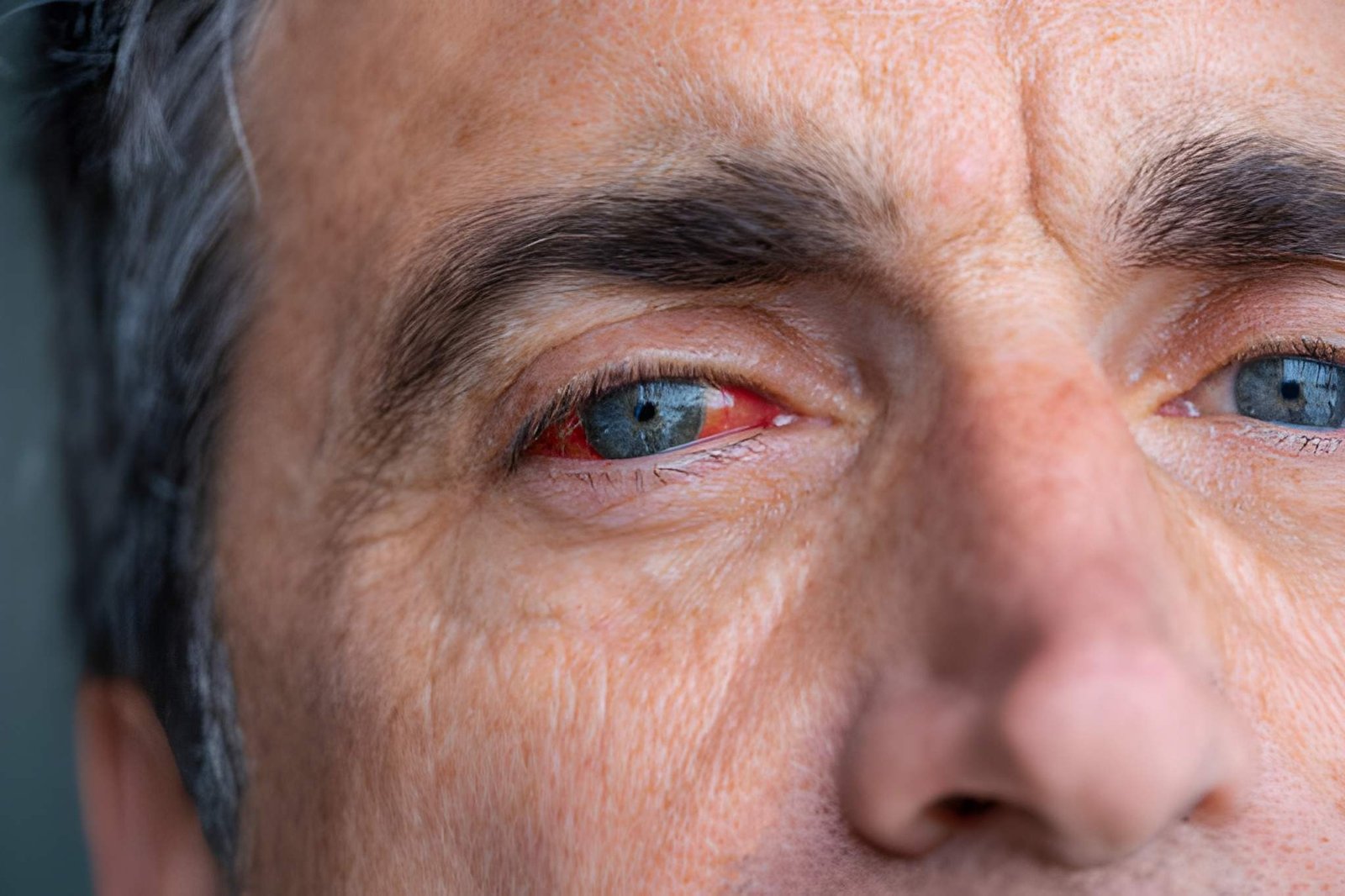
LASIK Eye Surgery Overview
Laser eye surgery is a precise vision correction procedure that reshapes the cornea using laser technology to improve how light is focused on the retina. It’s one of the most effective treatments for refractive errors such as nearsightedness, farsightedness, and astigmatism. The goal is simple — to reduce or even eliminate the need for glasses or contact lenses.
Why LASIK Is Done
LASIK is designed for individuals who wish to correct vision problems that glasses or contacts address temporarily. The most common conditions treated include:
- Nearsightedness (Myopia): When distant objects appear blurry because light focuses in front of the retina.
- Farsightedness (Hyperopia): When close objects are blurry as light focuses behind the retina.
- Astigmatism: When the cornea’s irregular curvature causes distorted or blurred vision at all distances.
Modern LASIK provides high accuracy and rapid recovery, making it an appealing choice for people seeking long-term vision improvement.
Eye Laser Treatment Cost in Dubai
Anatomy of the Eye and How LASIK Works
The cornea and lens focus light onto the retina. If the cornea’s shape doesn’t bend light correctly, visual clarity is affected. LASIK modifies the corneal shape by removing microscopic amounts of tissue with an excimer or femtosecond laser. This correction refocuses light directly on the retina, enhancing visual sharpness.
Risks of LASIK Eye Surgery
While LASIK is generally safe, all surgical procedures carry some risk. Potential side effects include:
- Dry eyes or temporary discomfort
- Halos or glares around lights at night
- Undercorrection or overcorrection requiring enhancement
- Flap complications or infection (very rare)
Conditions such as severe dry eye, thin corneas, or autoimmune disorders may increase these risks. Candidates must undergo a full eye evaluation to ensure eligibility.
Types of Laser Eye Surgery in Dubai
Preparing for LASIK
Preparation begins with a comprehensive eye exam to determine corneal shape, thickness, and vision stability. Contact lens wearers are typically instructed to stop wearing lenses several days prior, as they can alter corneal measurements. Patients should also avoid applying creams, lotions, or makeup around the eyes on the day of surgery to reduce infection risk.
What to Expect During the LASIK Procedure
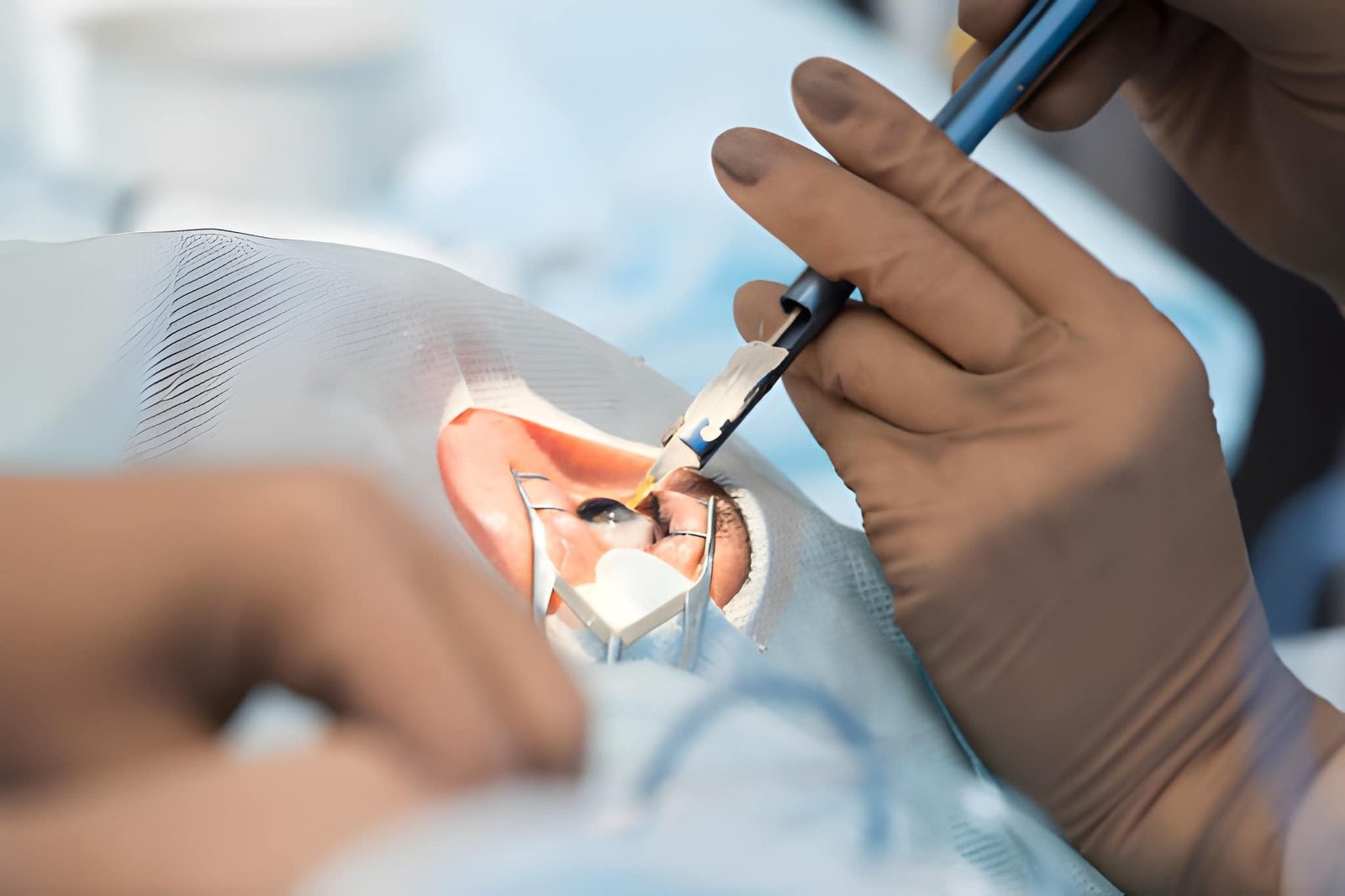
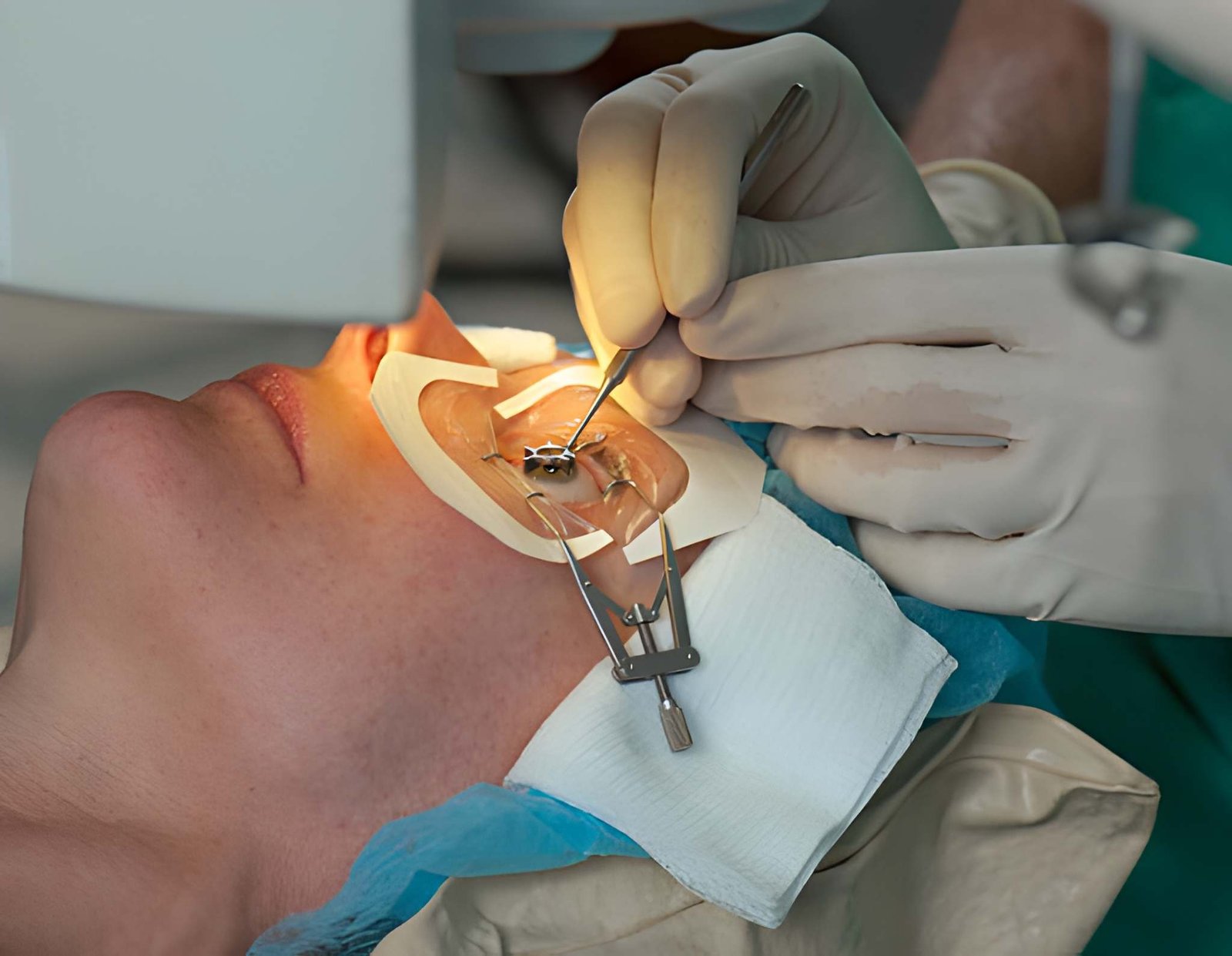
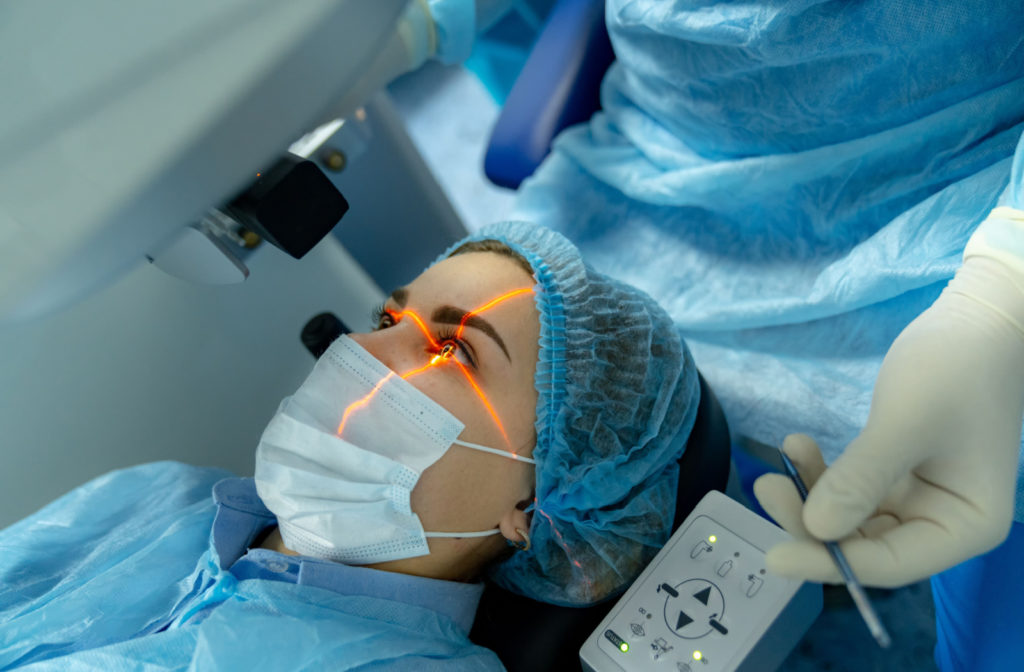
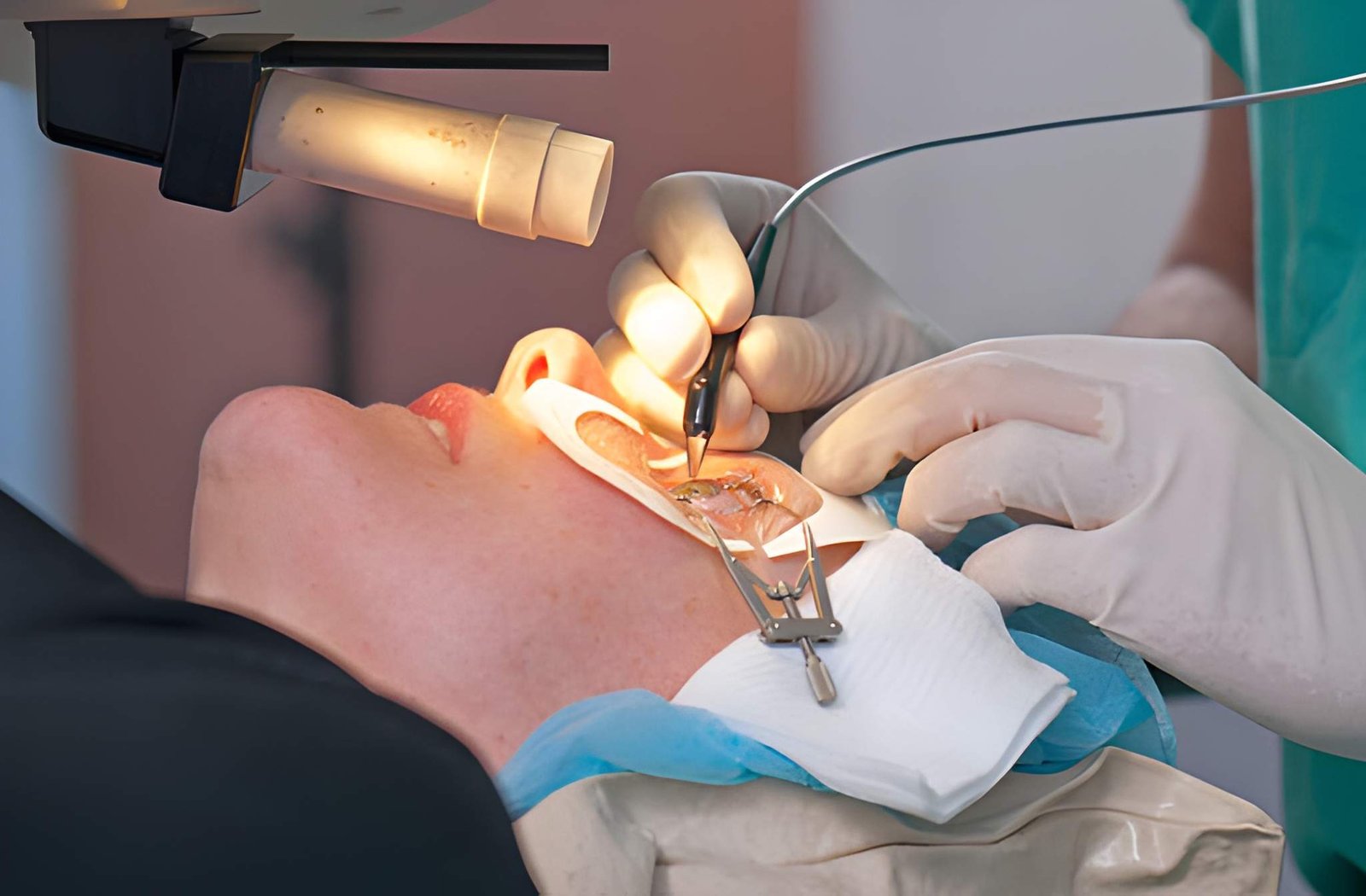
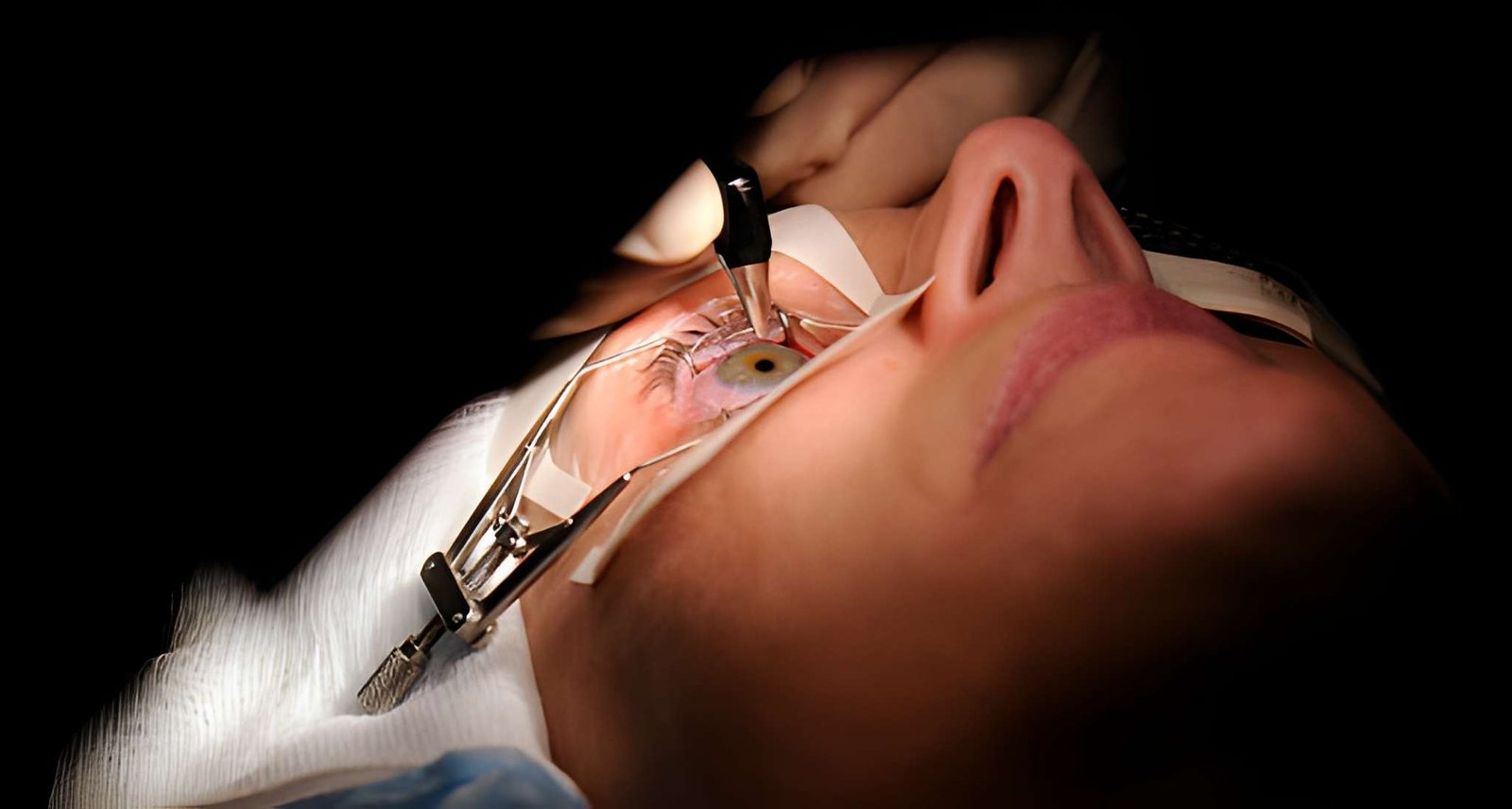
The LASIK process usually takes about 30 minutes. After numbing eye drops are applied, a thin flap is created on the corneal surface. The laser then reshapes the underlying tissue to correct refractive errors. The flap is repositioned to heal naturally. Most patients notice improved vision within 24 hours.
After the LASIK Procedure
Following surgery, patients may experience mild irritation, tearing, or light sensitivity. Artificial tears help relieve temporary dryness. Most people can resume normal activities the next day, though it’s advisable to avoid strenuous activity or swimming for a short period. Follow-up appointments monitor healing and ensure proper visual outcomes.
Results and Long-Term Outcomes
LASIK results are typically excellent, with many achieving 20/20 or better vision. Vision stabilizes within a few weeks, while some may require a minor adjustment months later. Although LASIK doesn’t prevent age-related conditions like presbyopia or cataracts, it significantly reduces dependency on corrective lenses for years.
Is Laser Eye Surgery Painful? Complete Guide
Is LASIK Eye Surgery Safe?
LASIK has an exceptionally high success rate and is approved by major medical authorities. Millions of procedures have been performed worldwide with minimal complications. Safety depends heavily on surgeon expertise, meticulous screening, and adherence to post-operative care instructions.
Other Vision Correction Options
For those who may not qualify for LASIK, alternatives such as PRK (Photorefractive Keratectomy), SMILE (Small Incision Lenticule Extraction), or implantable contact lenses may be recommended. The right choice depends on corneal thickness, lifestyle, and personal preference.
What to Expect When Visiting a Laser Eye Center
At an advanced eye surgery center, patients can expect personalized care from consultation to post-operative follow-up. The team performs diagnostic imaging, discusses vision goals, and explains each step of the procedure to ensure comfort and confidence throughout the process.
Choosing the Right Eye Surgery Provider
Selecting a trusted eye center ensures both safety and optimal outcomes. Look for providers that use advanced laser technology, maintain excellent patient results, and offer ongoing support before and after surgery. Transparent communication and realistic expectations are key to satisfaction.
Conclusion
LASIK eye surgery continues to lead as a highly effective, minimally invasive option for visual freedom. By understanding the process, risks, and post-surgery care, patients can make informed decisions for a lifetime of clearer vision.
If you’re ready to explore life without glasses or contact lenses, schedule a LASIK consultation today and take the first step toward sharper, more confident sight.
FAQs
1. How long does LASIK recovery take?
Most people experience clear vision within a day, though full stabilization may take a few weeks. It’s normal to have mild fluctuations during the healing period.
2. Does LASIK hurt?
The procedure itself is painless because numbing drops are used. Some patients feel mild pressure or burning for a few hours afterward.
3. Can LASIK fix astigmatism?
Yes. LASIK effectively corrects mild to moderate astigmatism by reshaping the cornea for more uniform focus.
4. How long do LASIK results last?
Results are typically long-lasting. However, natural changes related to aging can still affect vision over time.
5. Who is not a candidate for LASIK?
Individuals with very thin corneas, unstable prescriptions, severe dry eyes, or certain health conditions may not be good candidates. A detailed eye exam helps determine eligibility.