The retina has very limited ability to heal itself, and a detached retina will not reattach without treatment. Some minor retinal tears can stabilise on their own in specific circumstances, but this should never be assumed without a professional eye examination. Sudden vision changes, flashes, or floaters require urgent assessment rather than a wait-and-see approach.
This article explains what the retina can and cannot recover from naturally, when surgery is needed, and why early diagnosis makes such a significant difference to outcomes. The single most important fact: a detached retina is a medical emergency, and self-healing is not a safe assumption to make.
What Is the Retina, and Why Does Healing Matter?
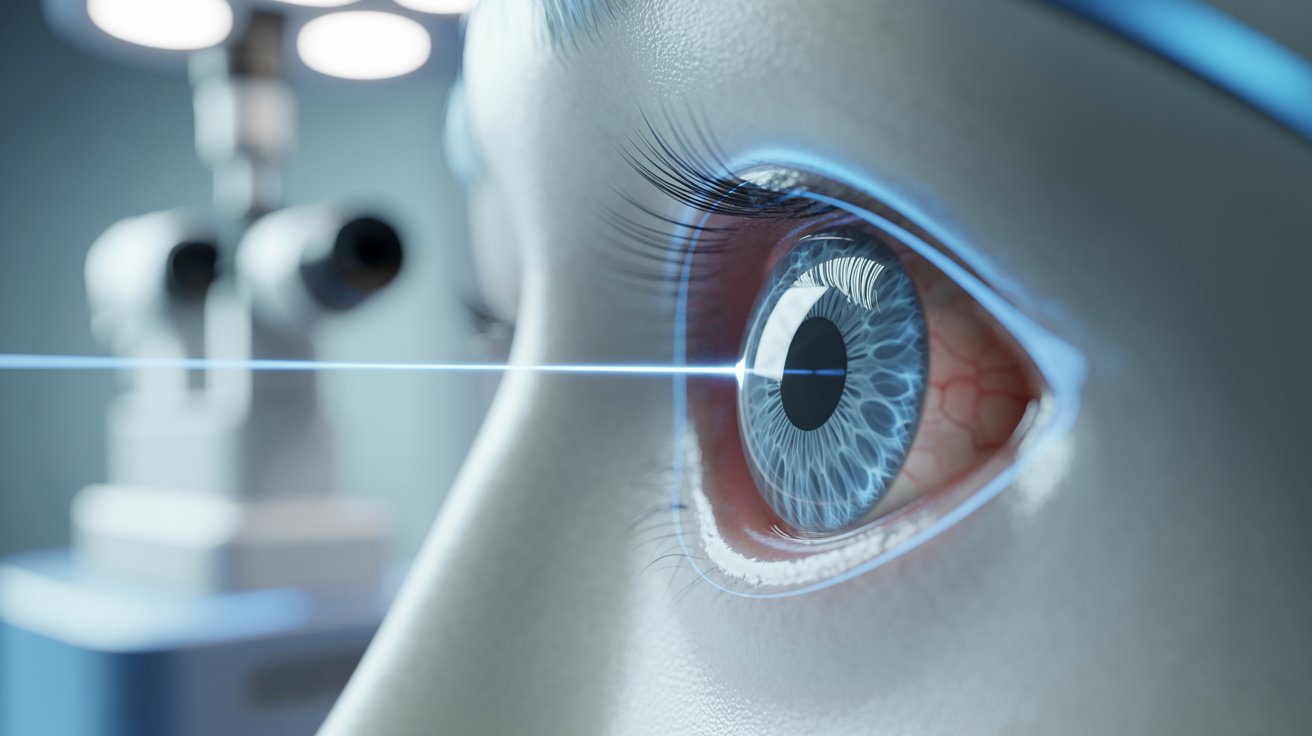
The retina is a thin layer of light-sensitive tissue at the back of the eye that converts light into the signals your brain interprets as vision. It functions similarly to film in a camera, capturing images and transmitting them through the optic nerve. Damage to the retina directly affects vision, which is why its capacity to heal, or not heal, matters so much.
Unlike skin or other body tissues, the retina contains specialised nerve cells called photoreceptors that have very limited capacity to regenerate once damaged. The American Academy of Ophthalmology confirms that retinal nerve tissue does not regenerate in the way skin or muscle tissue does. This limited regenerative capacity is why retinal problems are treated as urgent rather than something to monitor casually.
Can a Torn Retina Heal Without Surgery?
A small, uncomplicated retinal tear can sometimes be monitored without immediate surgery, but this decision must be made by an ophthalmologist, not the patient. Some tears are sealed using laser treatment or freezing therapy before they progress to a full detachment, which is a preventative procedure rather than the retina healing unaided. Without intervention, a tear can enlarge and lead to detachment.
The distinction between a tear and a detachment is critical to understanding treatment options. A tear is a break in the retinal tissue, while a detachment occurs when the retina pulls away from the back of the eye entirely. Only an ophthalmologist can determine whether a tear is stable enough to monitor or requires immediate treatment.
What Happens If a Retinal Tear Is Left Untreated?
An untreated retinal tear can allow fluid to seep underneath the retina, gradually separating it from the underlying tissue and causing a full detachment. This process can happen within days or even hours, depending on the size and location of the tear. Once detachment begins, the risk of permanent vision loss increases significantly.
This is why an ophthalmologist will often recommend prompt laser treatment for a tear, even if vision has not yet been affected. Acting early, while the tear is still localised, generally produces better outcomes than waiting for symptoms to worsen.
Can a Detached Retina Heal Itself?
No, a detached retina cannot heal itself and will not reattach without medical or surgical intervention. Once the retina separates from the back of the eye, it loses its blood supply and oxygen, which causes progressive damage to the light-sensitive cells. Without treatment, this typically leads to permanent vision loss in the affected area.
The Royal College of Ophthalmologists classifies retinal detachment as an ophthalmic emergency requiring treatment, generally within 24 to 48 hours of diagnosis for the best chance of preserving vision. Vision lost due to a prolonged, untreated retinal detachment is often not recoverable, even with later surgery.
How Is a Detached Retina Treated?
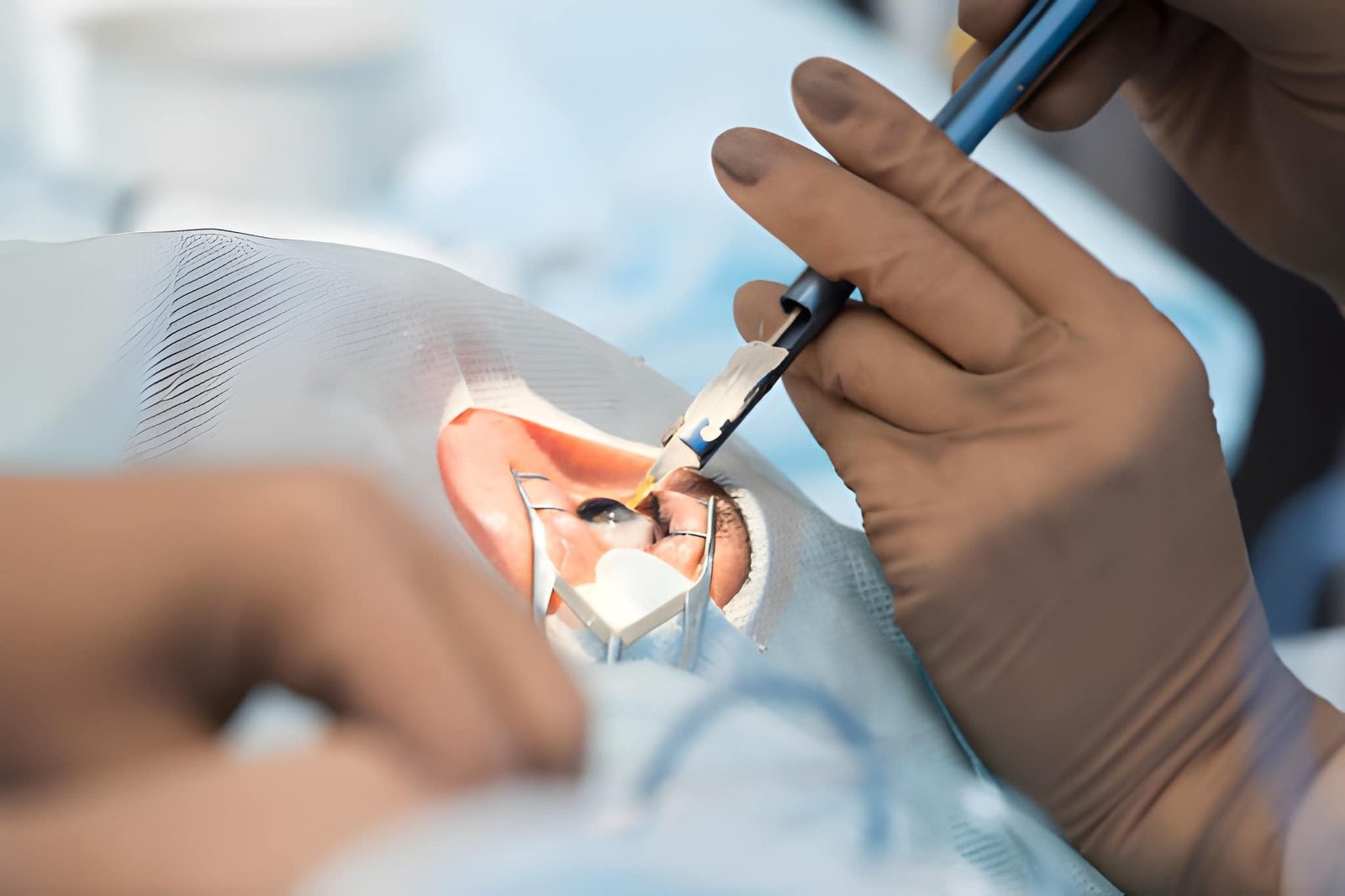
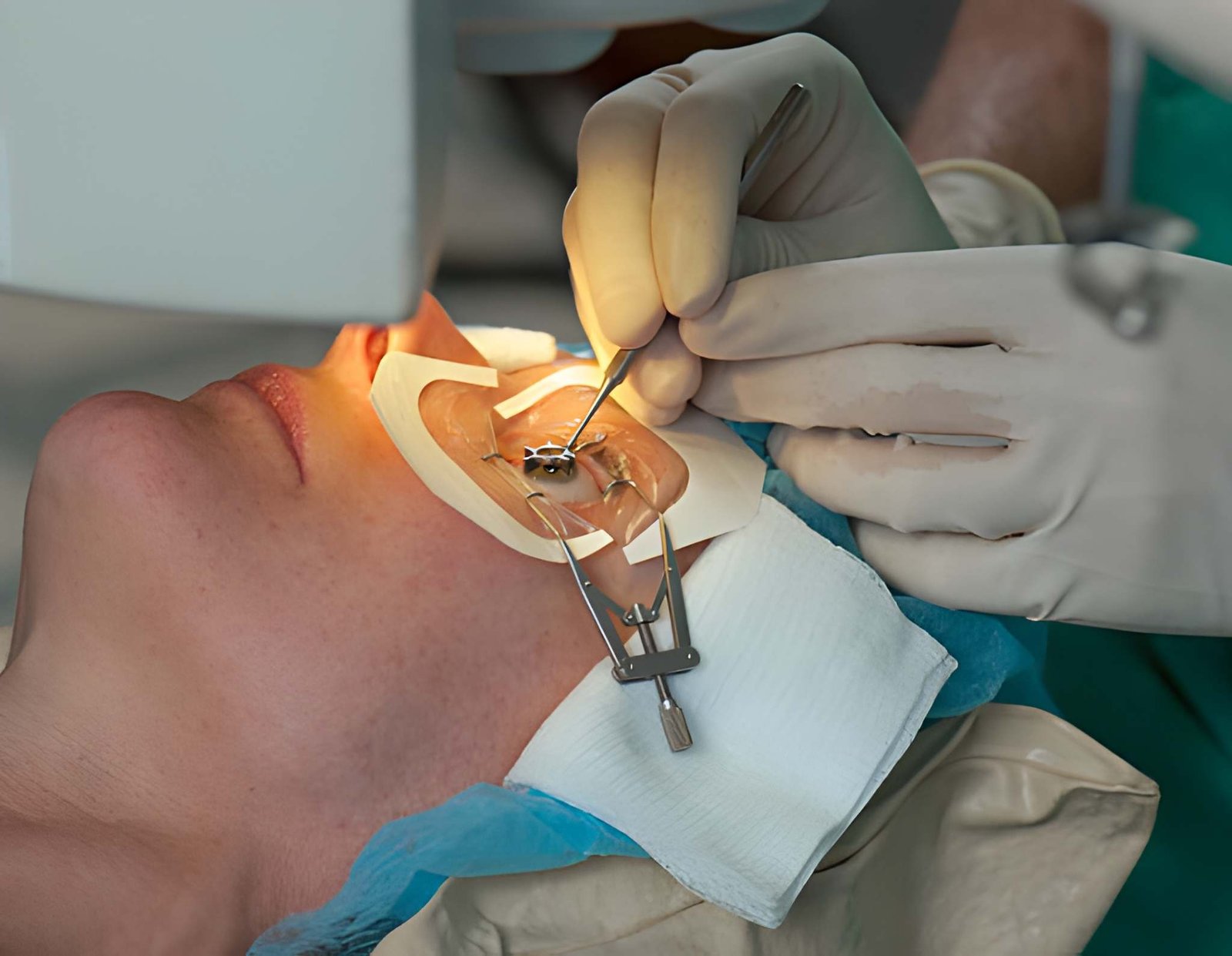
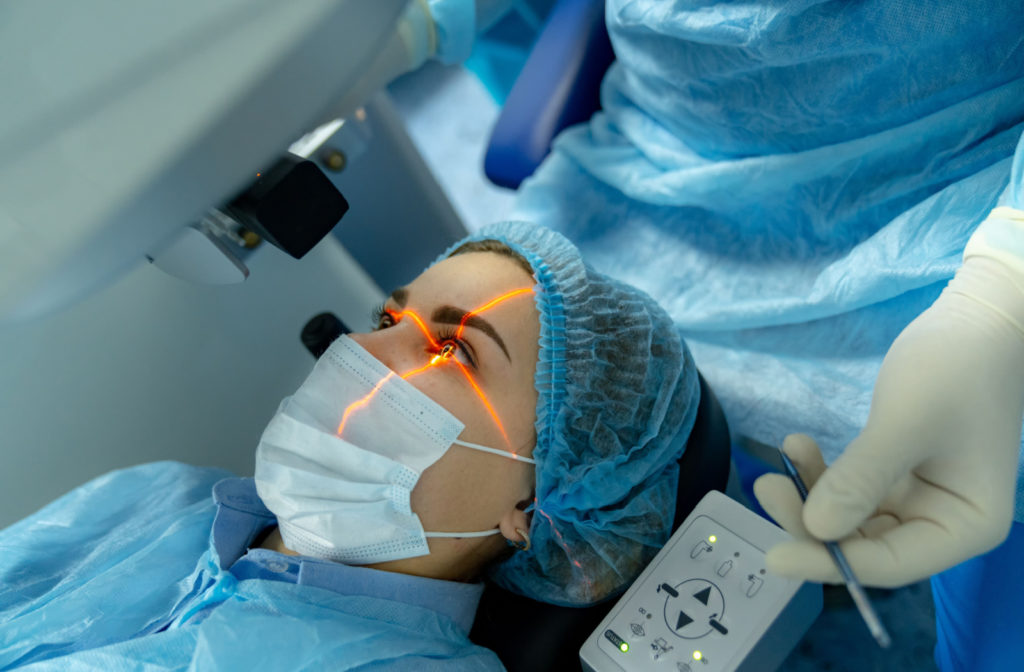
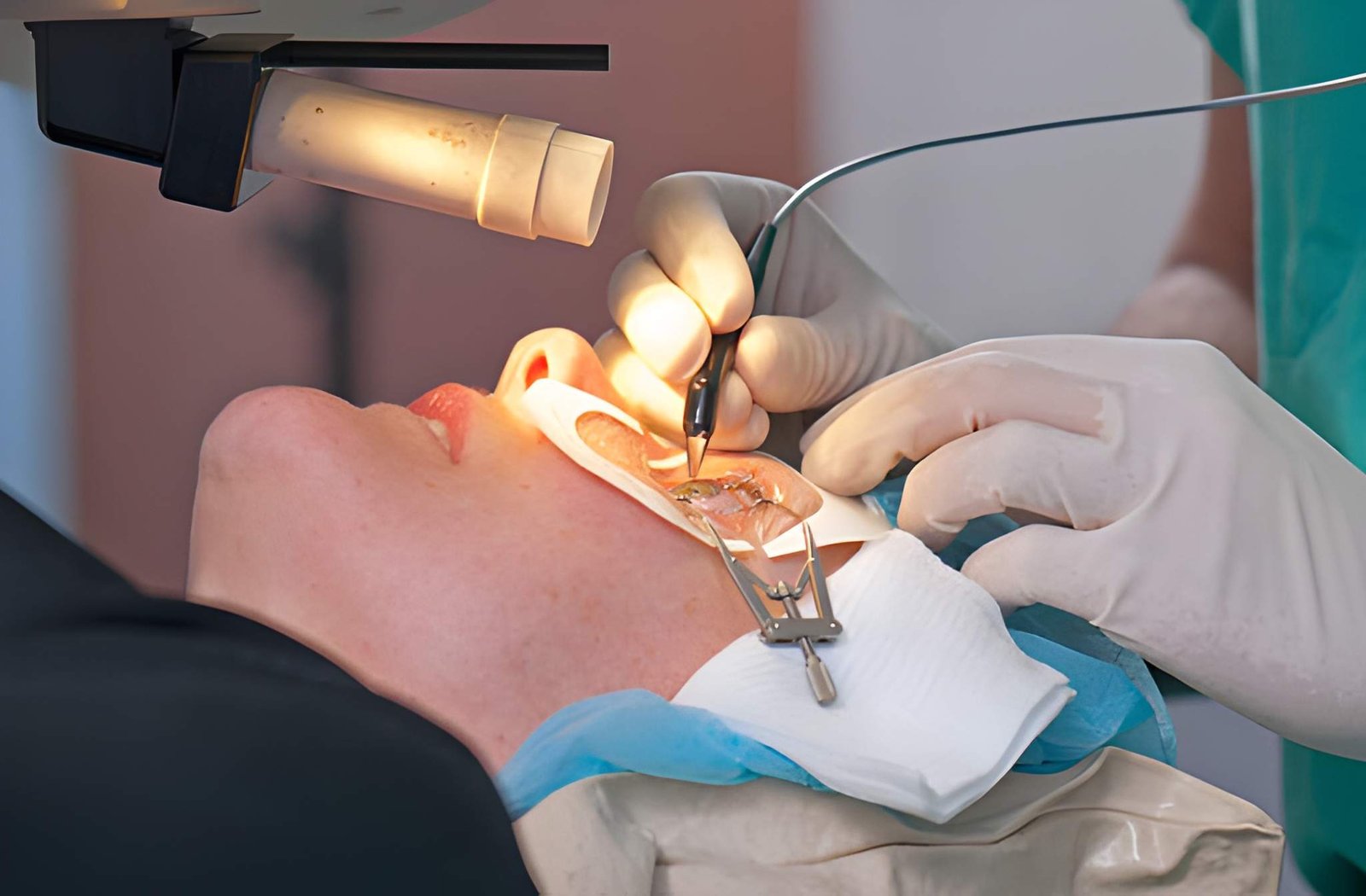
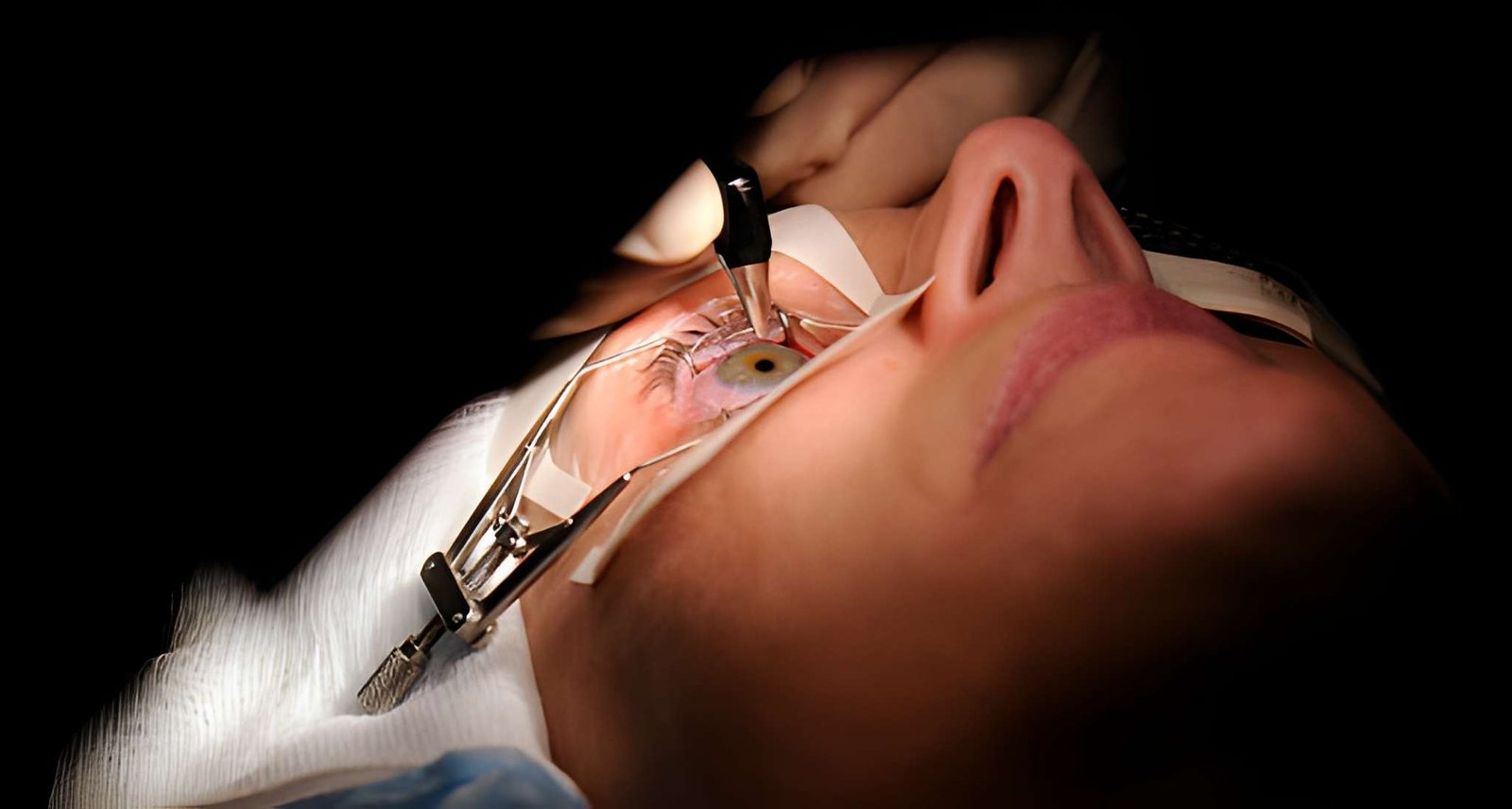
A detached retina is treated through one of several surgical techniques designed to reattach the retina and seal any tears. The right approach depends on the size, location, and complexity of the detachment. All aim to restore the retina’s position and its blood supply as quickly as possible.
- Pneumatic retinopexy: A gas bubble is injected into the eye to help push the retina back into place
- Scleral buckle surgery: A silicone band is placed around the eye to relieve pressure on the retina
- Vitrectomy: The gel-like vitreous fluid is removed and replaced to allow the retina to settle back into position
- Laser photocoagulation: Used to seal retinal tears and prevent further detachment
- Cryotherapy: A freezing technique used to seal tears, often alongside other procedures
The specific surgical approach depends on individual factors, which is why a detailed retinal examination is essential before treatment begins.
What Are the Warning Signs of a Retinal Problem?
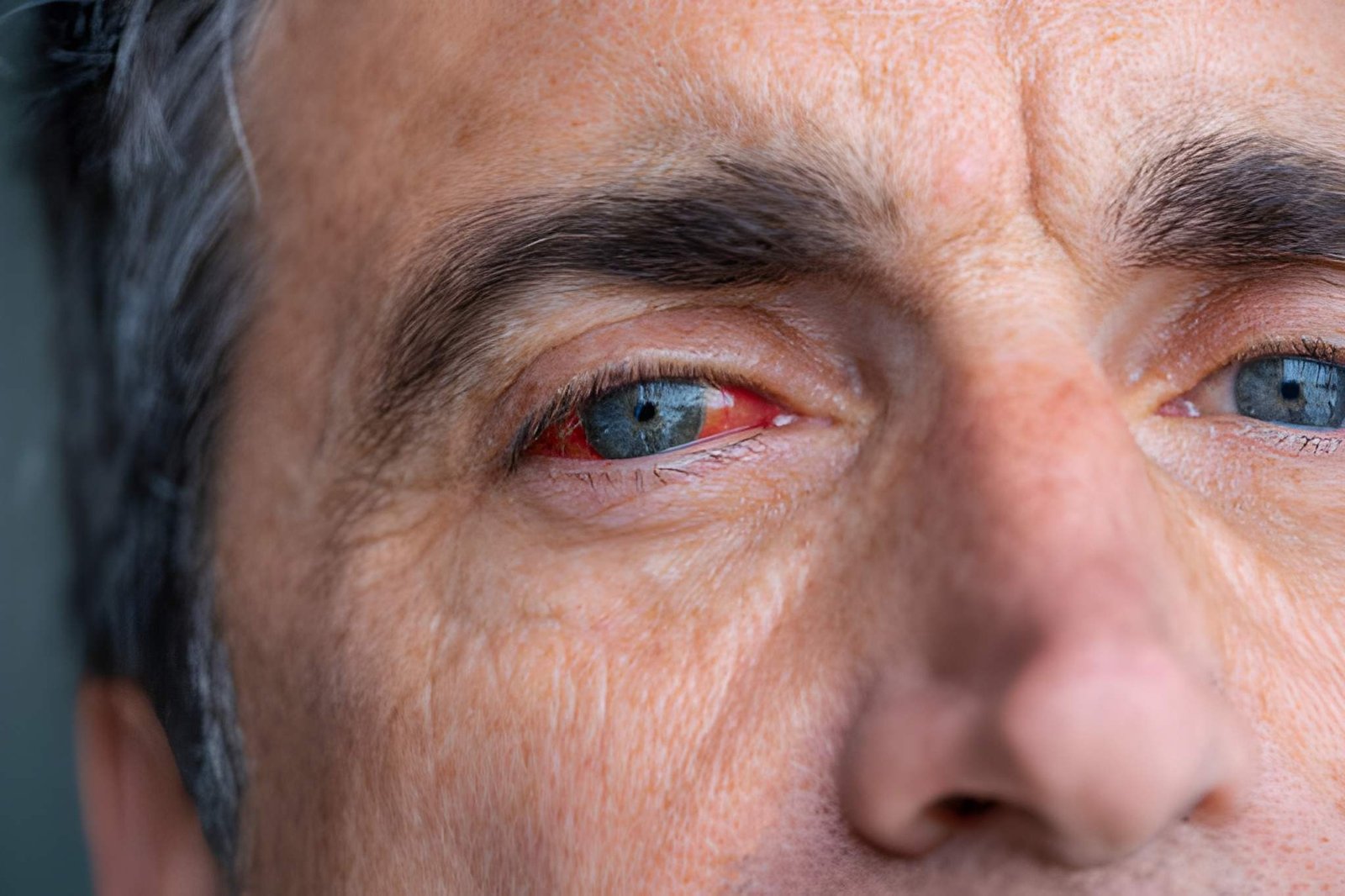
The main warning signs of a retinal problem include sudden floaters, flashes of light, or a shadow or curtain effect across part of your vision. These symptoms can appear suddenly and may affect only one eye. Recognising them early is one of the most important factors in protecting long-term vision.
- A sudden increase in floaters, appearing as small specks or threads in your vision
- Flashes of light, particularly in peripheral vision
- A dark shadow or curtain spreading across your field of vision
- Sudden blurring or distortion of straight lines
- A rapid decrease in vision in one eye
If you notice any of these symptoms, seek an urgent eye examination rather than waiting to see if they improve. Sudden floaters or flashes should always be treated as a reason for same-day assessment, not a wait-and-see symptom.
Who Is Most at Risk of Retinal Detachment?
People most at risk of retinal detachment include those who are very short-sighted, have had previous eye surgery or injury, or have a family history of retinal problems. Age also plays a role, as the vitreous gel inside the eye naturally changes and can pull on the retina over time. Diabetic patients are also at increased risk due to changes in blood vessels within the eye.
Regular eye examinations are particularly important for anyone in these higher-risk groups, even without obvious symptoms. Early detection of risk factors allows for preventative treatment before a tear or detachment develops.
What Can You Do to Support Healthy Retinal Function?
While the retina itself cannot be strengthened through lifestyle changes alone, protecting your eyes and attending regular check-ups supports early detection of problems. A comprehensive dilated eye examination allows an ophthalmologist to view the retina directly and identify early warning signs. This is particularly important for people in higher-risk categories.
Wearing appropriate eye protection during sports or manual work reduces the risk of trauma-related retinal tears. Managing underlying health conditions, such as diabetes and high blood pressure, also supports overall eye health. Prevention and early detection remain the most effective tools available, since the retina itself has minimal capacity to repair serious damage independently.
Why Early Diagnosis Makes Such a Difference
Early diagnosis allows treatment before significant vision loss occurs, often using less invasive procedures than would be needed at a later stage. A small tear identified early can frequently be treated with a brief laser procedure, while a delayed diagnosis may require more extensive surgery. The difference in outcome between early and late treatment can be substantial.
Dr Qasim Qasem, a Consultant Ophthalmologist practising in Dubai Healthcare City with over 25 years of experience, has seen this pattern consistently across decades of retinal cases. Patients who seek assessment promptly after symptoms appear generally have significantly better visual outcomes than those who delay. Time is one of the most critical factors in retinal treatment outcomes, more so than almost any other eye condition.
Frequently Asked Questions
Can a mild retinal tear heal without any treatment?
A small, stable retinal tear may be monitored without immediate surgery, but this decision should only be made by an ophthalmologist after a thorough examination. Self-diagnosis is not reliable, as tears can progress to detachment without obvious symptoms.
How quickly does a detached retina need to be treated?
The Royal College of Ophthalmologists recommends treatment within 24 to 48 hours of diagnosis for the best chance of preserving vision. Delays beyond this window significantly increase the risk of permanent vision loss in the affected area.
Is retinal detachment painful?
No, retinal detachment is typically painless, which is why symptoms like floaters, flashes, or a shadow in vision are so important to recognise. The absence of pain does not indicate the condition is less serious.
Can vision be fully restored after retinal detachment surgery?
Vision outcomes after retinal detachment surgery depend on how much of the retina was affected and how quickly treatment was received. Early treatment often preserves most or all vision, while delayed treatment may result in some permanent vision loss despite successful surgery.
What increases the risk of retinal detachment?
Severe short-sightedness, previous eye injury or surgery, diabetes, and a family history of retinal problems all increase risk. Age-related changes to the vitreous gel inside the eye are also a common contributing factor.
Can lifestyle changes help the retina heal faster?
No, lifestyle changes cannot accelerate retinal healing, as retinal nerve tissue does not regenerate like other body tissue. However, managing conditions like diabetes and attending regular eye examinations support overall eye health and early detection.
Should I go to A&E or see an ophthalmologist for sudden floaters?
Sudden floaters or flashes warrant urgent same-day assessment by an ophthalmologist or eye casualty unit, rather than a routine appointment. Many eye hospitals and clinics offer emergency retinal assessment specifically for this reason.
Is laser treatment for retinal tears a permanent fix?
Laser treatment for retinal tears is generally highly effective at preventing progression to detachment when performed promptly. However, ongoing monitoring is still recommended, as new tears can develop in other areas of the retina over time.
Understanding what the retina can and cannot heal on its own is essential for protecting your long-term vision, particularly if you notice sudden changes. Dr Qasim Qasem brings over 25 years of experience in ophthalmology to every retinal assessment, ensuring patients receive a prompt, accurate diagnosis. Book a consultation with Dr Qasim Qasem in Dubai Healthcare City if you are experiencing any symptoms of a retinal problem.
AUTHOR
Dr Qasim Qasem is a Consultant Ophthalmologist with over 25 years of experience, holding FRCS and FEBO qualifications and practising at Dubai Healthcare City. He has extensive experience diagnosing and treating retinal conditions, including retinal detachment and tears, across his career in the UK and UAE. Last medically reviewed: June 2026.