Does LASIK Last Forever?
LASIK eye surgery is known for providing life-changing vision correction, often reducing or eliminating the need for glasses or contact lenses. However, one of the most common questions prospective patients have is: does LASIK last forever? While LASIK reshapes the cornea to correct refractive errors, its longevity depends on several individual factors such as age, eye health, and natural vision changes over time.
What is LASIK Eye Surgery?
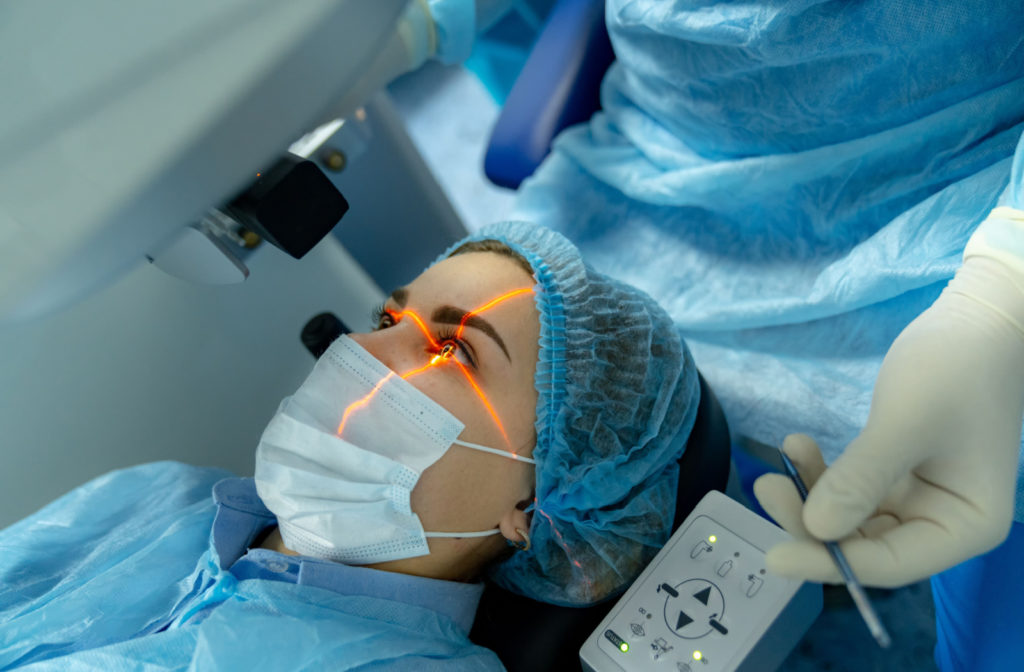
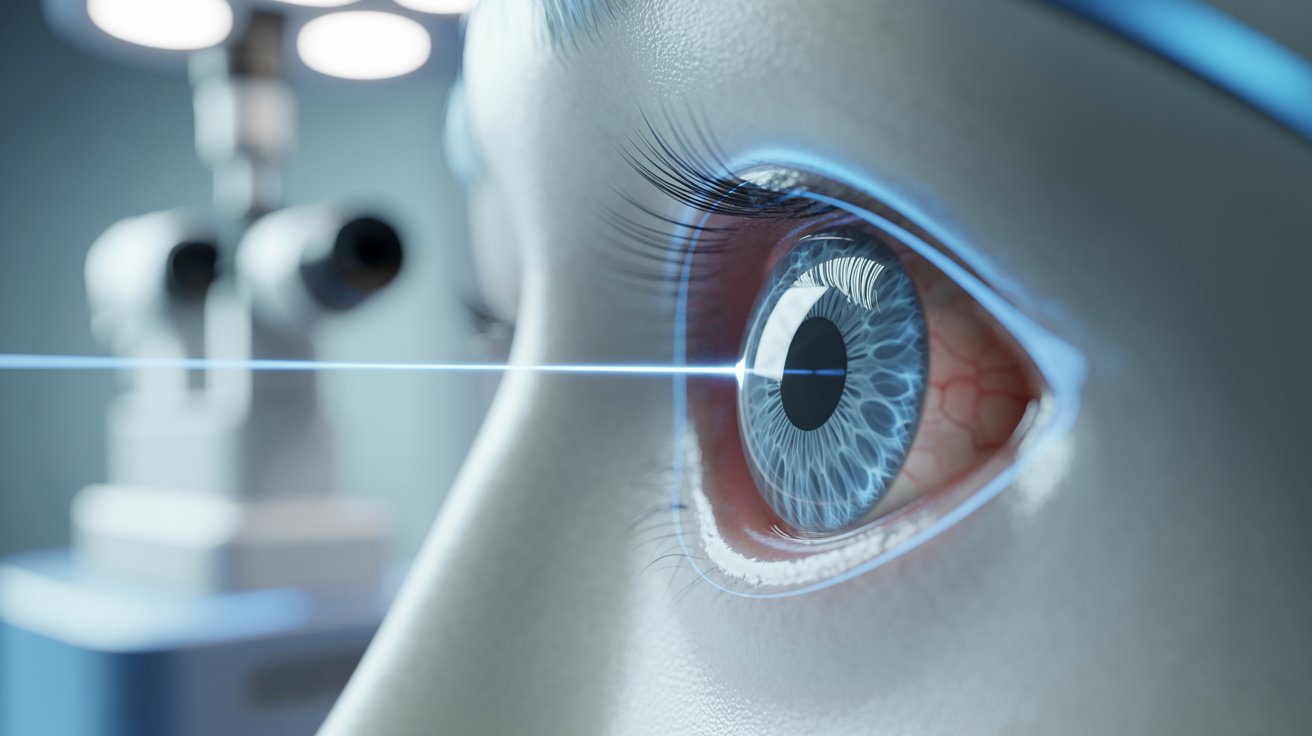
LASIK, or Laser-Assisted In Situ Keratomileusis, is a surgical procedure that corrects vision by reshaping the cornea using a precise laser. This adjustment allows light entering the eye to focus correctly on the retina, resulting in clear vision. LASIK is used to correct common refractive errors including nearsightedness (myopia), farsightedness (hyperopia), and astigmatism. The procedure is quick, relatively painless, and has a high satisfaction rate among patients.
How Does LASIK Alter Your Eyes?
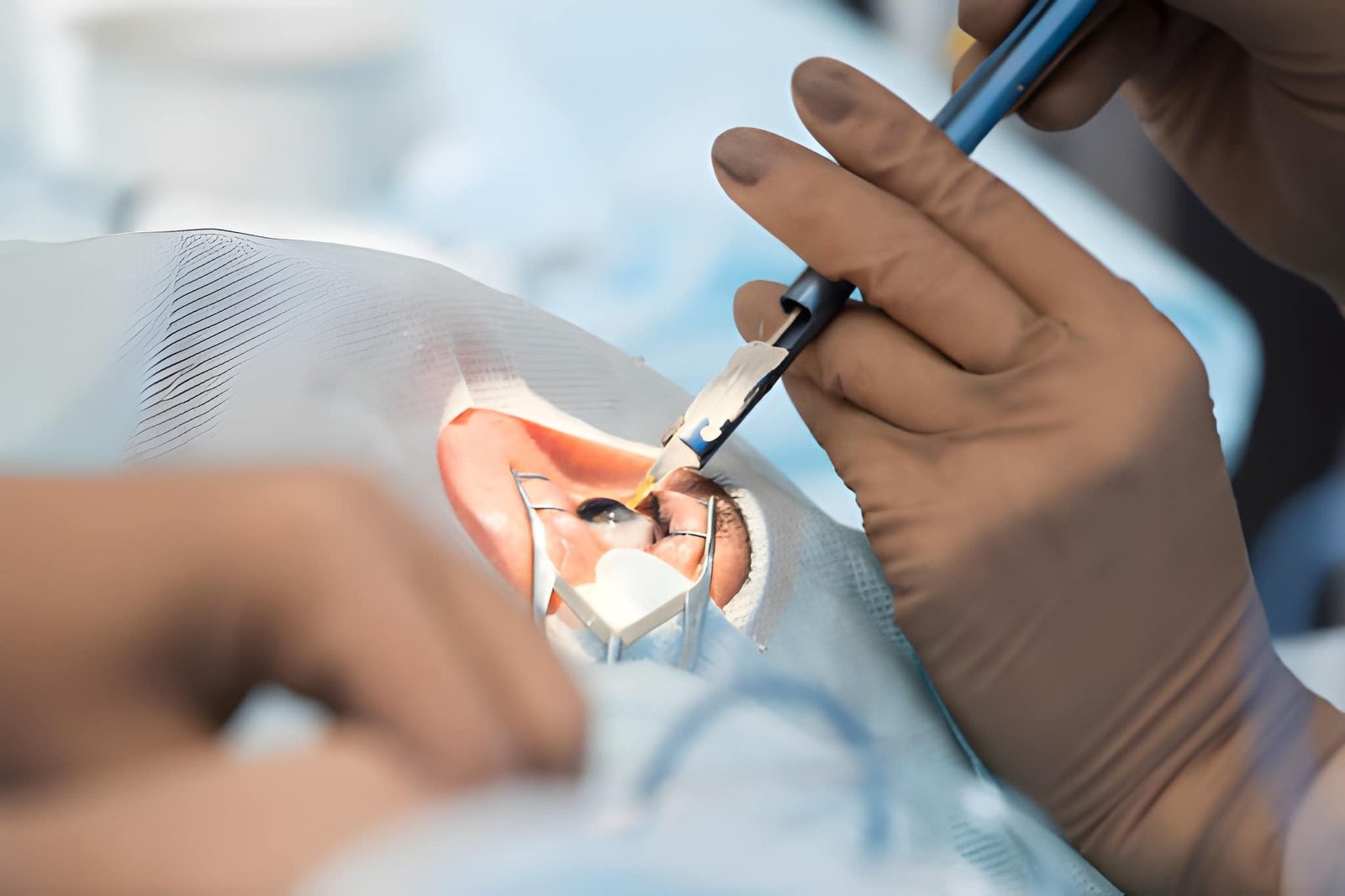
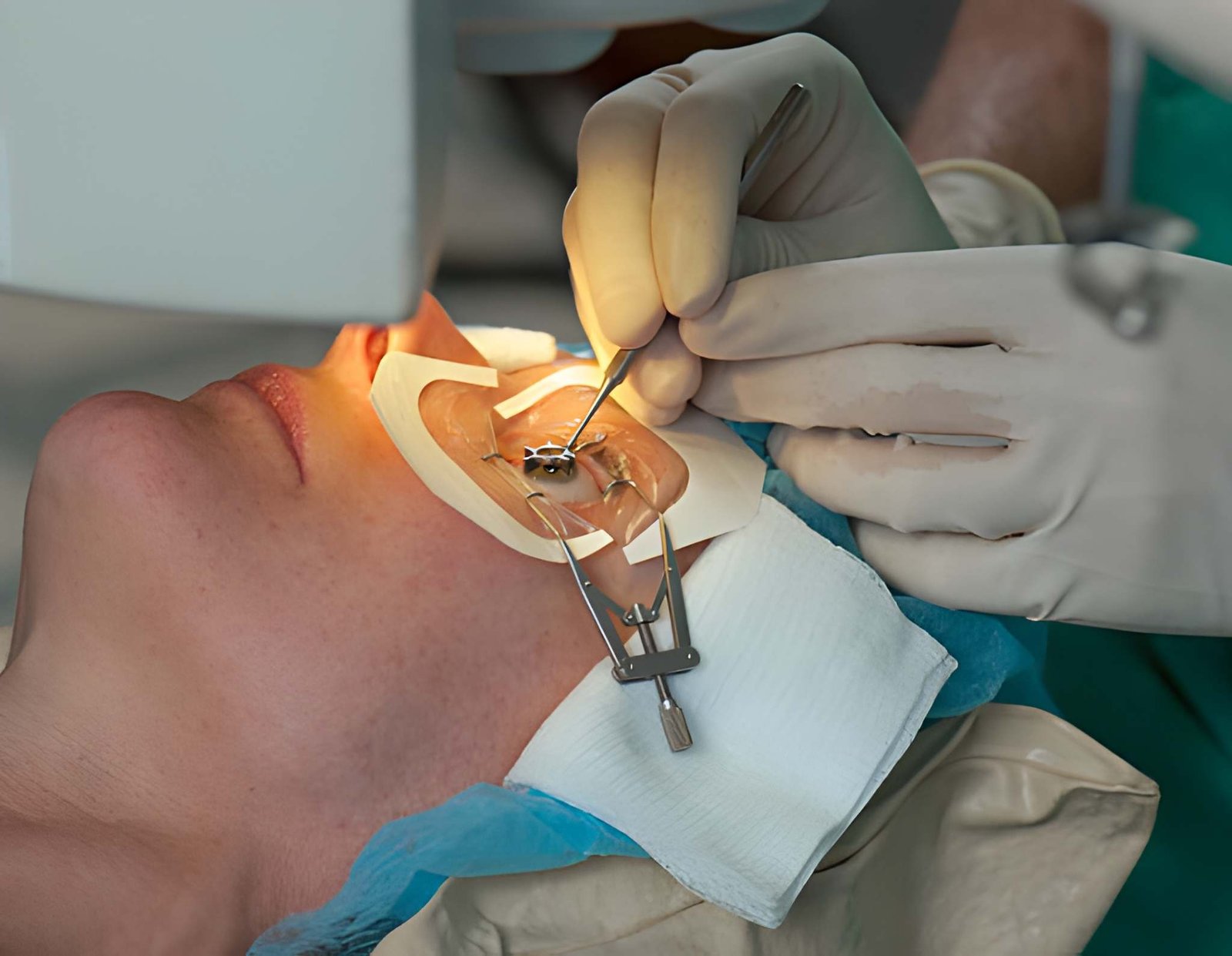
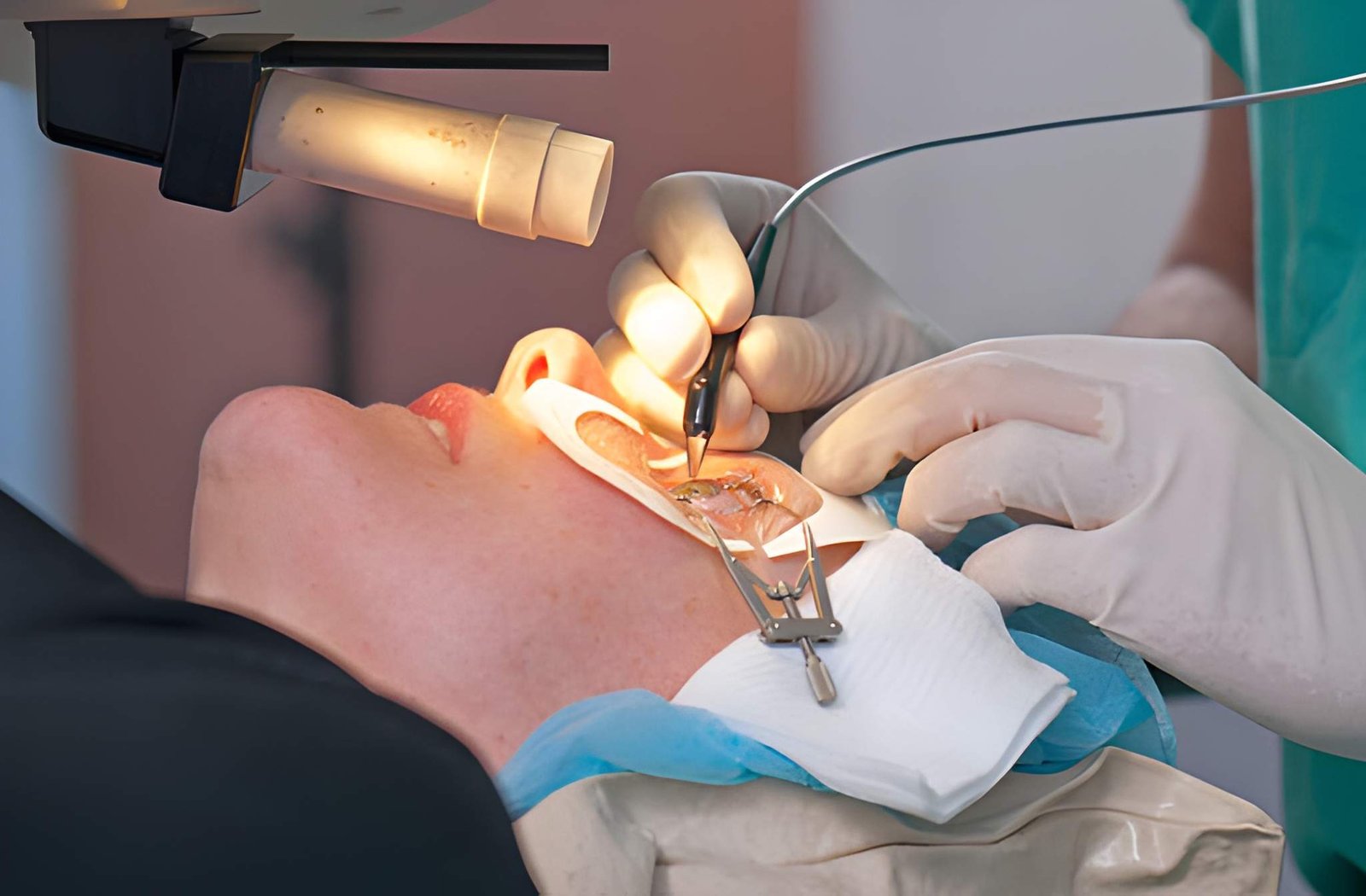
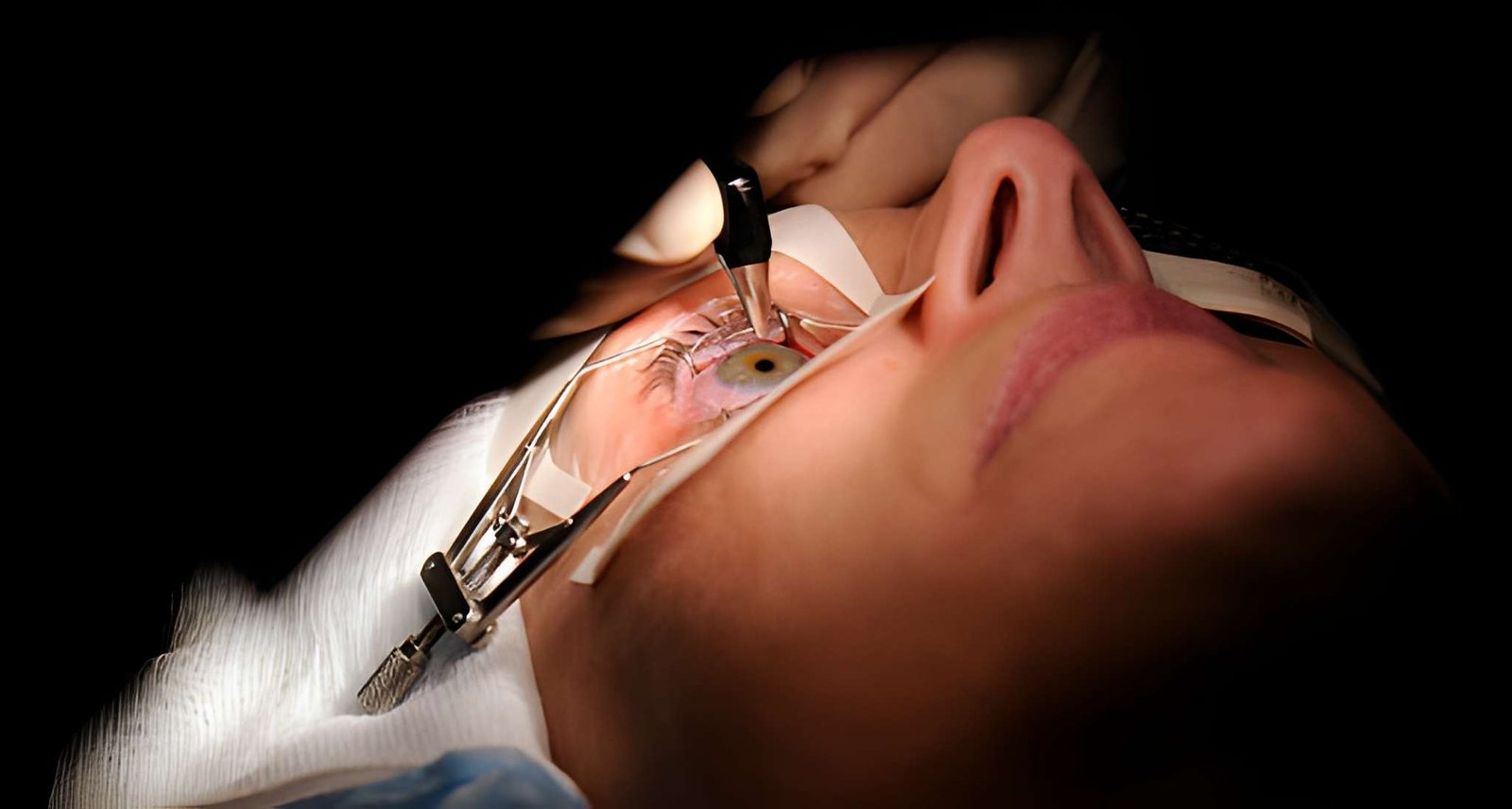
During LASIK, a thin flap is created on the cornea’s surface. A laser then removes microscopic amounts of corneal tissue to reshape it according to each patient’s prescription. By adjusting the way light refracts within the eye, the procedure fine-tunes vision. Once the cornea is reshaped, the flap is repositioned to heal naturally without stitches. This change is permanent, which means the correction itself doesn’t “wear off.”
How Long Do LASIK Results Last?
For most people, LASIK results last many years—often decades. After healing, patients typically enjoy stable vision for a long time. However, while the changes made to the cornea are permanent, natural changes in the eye due to aging can still occur. This means vision might change again later in life, but not because the LASIK has “worn off.”
Types of Laser Eye Surgery in Dubai
The Role of Aging in Vision Changes
Aging plays a major role in how long LASIK results feel effective. Around the age of 40, the eye’s lens naturally loses flexibility, leading to a condition called presbyopia. This makes it harder to focus on close objects, even for those who had perfect distance vision after LASIK. While LASIK corrects corneal shape and vision clarity, it can’t prevent natural age-related changes in the lens.
Factors That Affect LASIK Longevity
Several factors can influence how long LASIK outcomes last:
- Age at the time of surgery: Younger patients may experience prescription changes in the future as their vision stabilizes over time.
- Pre-existing eye conditions: Conditions like dry eye or corneal thickness may impact results.
- Overall eye health: Maintaining good eye hygiene, protection, and regular eye exams supports longer-lasting results.
- Hormonal or medical changes: Pregnancy, diabetes, or certain medications can affect vision stability.
Laser Eye Surgery Dubai: Myths vs. Facts
What to Expect Long-Term
In the years following LASIK, most people continue to enjoy clear vision. Occasional follow-up visits ensure the results remain stable and the eyes stay healthy. Some patients may need a touch-up procedure, known as an enhancement, if minor shifts occur in their vision. This is relatively rare and easy to correct.
Will I Have to Wear Glasses or Contact Lenses Again?
Many LASIK patients remain glasses-free for years after their procedure. However, some individuals might need reading glasses later in life due to presbyopia or may use glasses in specific situations like driving at night. Needing glasses again does not mean LASIK failed—it’s simply a result of natural changes in the eye over time.
What if LASIK Results Don’t Last?
If vision changes occur years after LASIK, patients may be candidates for an additional enhancement procedure to fine-tune the correction. These adjustments are minor and enhance vision again for long-term clarity. Regular eye exams allow early detection of such changes so that proper measures can be taken promptly.
How Safe is LASIK?
LASIK is considered very safe with modern technology and experienced surgeons. Complication rates are low, and the majority of patients achieve 20/25 vision or better. Most side effects, such as mild dryness or temporary halos, resolve within a few weeks after surgery. Selecting a qualified surgeon and following postoperative care advice are key to optimal results.
What is the Recovery Time for LASIK?
Most patients notice clearer vision within 24 to 48 hours after LASIK. Complete healing may take several weeks, during which temporary dryness or mild light sensitivity can occur. The procedure itself typically takes less than 15 minutes per eye, and normal activities can resume quickly—though it’s important to follow your doctor’s care instructions.
What Can Laser Eye Surgery Do? Complete Guide
Can I Have LASIK After Cataract Surgery?
LASIK is generally performed before cataract surgery rather than after. Once cataracts develop, lens replacement surgeries address both the cloudy lens and refractive errors. However, in some cases, LASIK enhancements may fine-tune results after cataract procedures depending on the individual’s specific vision needs.
Is LASIK a Good Long-Term Investment?
When evaluating LASIK, consider both the long-term visual freedom and cost savings. Although it’s a one-time expense, LASIK can eliminate years of costs on glasses, contact lenses, and eye exams related to those corrective measures. Many patients find it a worthwhile investment that pays off in convenience and improved quality of life.
Are There Alternatives If You’re Not a Good Candidate for LASIK?
LASIK may not be right for everyone, particularly those with thin corneas or unstable prescriptions. Alternative options include PRK (Photorefractive Keratectomy), SMILE (Small Incision Lenticule Extraction), or implantable contact lenses. These alternatives can still provide excellent visual outcomes, depending on your individual circumstances.
Is LASIK Permanent?
Technically, LASIK permanently reshapes the cornea, so the correction itself doesn’t fade. However, natural aging and eye changes can alter vision over time. The permanency of LASIK lies in the corneal change, not necessarily in lifelong perfect vision. It’s crucial to maintain realistic expectations—LASIK provides lasting freedom but not immunity from future eye changes.
Is LASIK Worth The Cost?
Considering the benefits of clear vision, reduced dependence on eyewear, and overall convenience, many people find LASIK well worth the price. Beyond financial value, it offers freedom and lifestyle improvements that are hard to measure.
According to Dr. Qasim Qasem, when performed on the right candidate, LASIK can deliver both immediate results and long-term visual benefits.
FAQs
1. How long does LASIK last on average?
Most patients enjoy clear vision for 10 to 20 years or longer, depending on age and eye health.
2. Can LASIK fix age-related vision problems?
LASIK corrects distance vision but doesn’t prevent presbyopia, the natural decline in near vision after age 40.
3. Is LASIK painful?
No, the procedure is virtually painless. Numbing drops keep you comfortable during surgery.
4. How soon can I see after LASIK?
Many patients notice dramatically clearer vision within 24 hours, with full stability achieved in a few weeks.
5. Can LASIK be repeated if my vision changes?
Yes, enhancement procedures can be performed if your vision changes over time and your corneas are suitable.
Conclusion: LASIK offers a long-lasting solution for vision correction, with results that can endure for many years. While it cannot stop natural aging changes, it remains one of the most effective and rewarding eye surgeries available today. To determine if you’re a good candidate, schedule an eye evaluation and discuss all available options with your eye specialist.