Choosing the Best Eyewear for Retinal Conditions: Expert Tips for Clearer Vision
Living with a retinal condition can significantly impact visual clarity and comfort. Under the guidance of Dr. Qasim Qasem, choosing the right eyewear can make a meaningful difference in how well you see and function in daily life.
This guide shares expert-backed suggestions for selecting the most effective eyewear to enhance vision quality and protect your eyes after retinal damage or treatment.
Why Your Retinal Condition Matters
The retina is the light-sensitive layer at the back of your eye that converts light into visual signals. Conditions like macular degeneration, diabetic retinopathy, or retinal detachment can disrupt this process, leading to blurred, distorted, or partial vision loss. Understanding the type and severity of your retinal condition is crucial before selecting eyewear, as each condition affects vision differently.
Common Symptoms to Address with Eyewear for Retinal Conditions
People with retinal conditions may experience:
- Blurriness in central or peripheral vision
- Increased sensitivity to glare or bright light
- Difficulty distinguishing fine details or reading small text
- Reduced color contrast or dull vision
- Problems adjusting to light changes
Customized glasses can help manage these symptoms by improving contrast, reducing glare, and enhancing visual stability.
Can eye drops help with retina problems?
Features to Look for in Eyewear for Retinal Conditions
1. Lens Type
Lens selection plays a vital role in achieving better vision. High-quality lenses designed with specialized optical coatings can optimize clarity and comfort. Consider these options:
- Anti-reflective lenses: Reduce glare, especially beneficial for light sensitivity.
- Contrast-enhancing lenses: Help distinguish objects and improve visibility in low light.
- High-index lenses: Lightweight and suitable for higher prescriptions for reduced eye strain.
- Photochromic or tinted lenses: Automatically adjust to lighting conditions and protect from UV rays.
- Prismatic lenses: In certain cases, these assist with alignment and depth perception.
2. Frame Design
The right frame not only complements your style but also influences visual performance. Opt for designs that fit securely and provide adequate lens coverage to limit stray light. Wraparound frames can minimize glare, while adjustable nose pads and temples ensure comfortable daily wear.
3. Additional Features
Additional upgrades enhance both protection and usability:
- UV and blue-light protection: Protect sensitive retinal tissue from harmful light exposure.
- Polarized filters: Ideal for outdoor activities to cut reflected glare from surfaces like water or roads.
- Scratch-resistant coating: Keeps lenses clear and durable for long-term use.
- Digital lens technology: Improves focus and adapts to different activities, especially for those using digital devices frequently.
What are the first signs of retina problems?
Finding the Right Fit: Tips and Tricks
Personal comfort is key when choosing eyewear for retinal conditions. Here are some helpful tips:
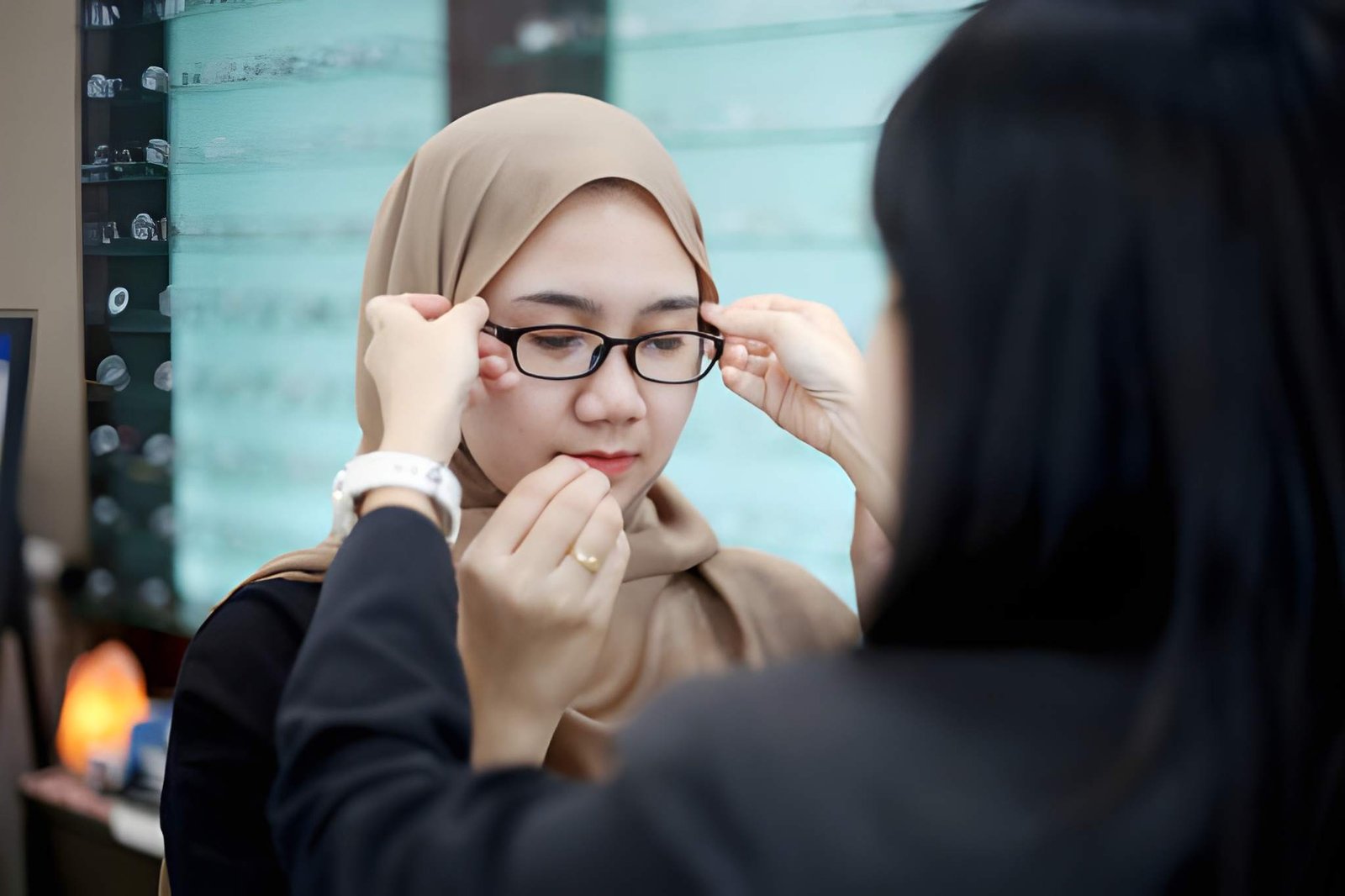
- Always get a professional measurement for frame size and pupil distance.
- Check that your glasses sit steady on your face without slipping.
- If you use magnifying or task-specific lenses, test them in the environment where you’ll use them most often.
- Consider lightweight materials like titanium or flexible acetate for comfort during extended wear.
Book a Comprehensive Eye Check-Up
Before selecting eyewear, schedule a thorough eye examination. A comprehensive check-up helps identify subtle changes in vision and ensures your prescription reflects your current retinal condition. Regular monitoring also prevents complications from being overlooked.
Consult a Retina Specialist
A retina specialist can guide you in understanding how your condition affects your vision. They can coordinate with optometrists to tailor your eyewear prescription and recommend additional visual aids if necessary, such as magnifiers or low-vision technology.
Test Before You Buy
Different lens types and filters can produce varying results. Testing samples or trial pairs under real-world lighting helps ensure the chosen eyewear offers optimal clarity and comfort. This step reduces the risk of eye strain and ensures that what you purchase truly fits your needs.
Best Retina Experts in Dubai: Your Guide to Superior Eye Health
Where to Go for Expert Eye Care for Retinal Conditions
For personalized advice and advanced eye assessments, visit a clinic that specializes in retinal diseases. These centers are equipped with the latest imaging technologies and experienced professionals who understand how eyewear can complement medical management for conditions like diabetic retinopathy or macular degeneration.
Common Retinal Conditions That May Require Specialized Eyewear
Understanding the condition affecting your retina helps you make informed eyewear choices:
- Macular Degeneration: Affects central vision, so high-contrast lenses and magnifying optics can help.
- Diabetic Retinopathy: Causes variable blurring; anti-glare and adaptive lenses provide consistent clarity.
- Retinal Detachment: Requires medical treatment first, but post-recovery eyewear can improve comfort and reduce strain.
Conclusion: Choosing the Best Eyewear for Retinal Conditions
Choosing the right eyewear for retinal conditions combines professional guidance, technology, and personal comfort. Whether you’re coping with macular degeneration, diabetic retinopathy, or other retinal concerns, customized glasses can help enhance your visual quality and support greater independence. Regular checkups, ongoing communication with specialists, and testing various lenses ensure you achieve the best possible vision for your lifestyle.
Best Retina Experts in Dubai: Your Guide to Superior Eye Health
FAQs
1. Can glasses improve vision after retinal damage?
While glasses cannot repair retinal damage, they can significantly help by enhancing focus, contrast, and comfort—improving your ability to see with remaining vision.
2. What lens color is best for retinal conditions?
Amber, yellow, or gray tints often work best for people with glare sensitivity or contrast loss. Your specialist can help you test different tints to see which enhances your vision most effectively.
3. Should I wear special glasses after retinal surgery?
Yes, protective eyewear minimizes strain and shields recovering retinal tissue from bright light and UV exposure. Always follow your surgeon’s post-care guidance.
4. How often should I update my eyewear prescription?
It’s recommended to have an eye exam at least once a year, or sooner if you notice vision changes. Retinal conditions can progress over time, and updated prescriptions ensure you maintain optimal visual function.
5. Are over-the-counter reading glasses suitable for retinal conditions?
In most cases, they aren’t ideal. Each retinal condition requires specific optical adjustments that generic glasses cannot provide. A customized prescription ensures the best results for your visual health.
Takeaway: The right eyewear is more than a fashion choice—it’s a vital part of managing life with a retinal condition. Regular consultations with a retina specialist and informed eyewear decisions can help maintain your visual independence and comfort.