Could Eye Drops Replace Injections for Retinal Diseases?
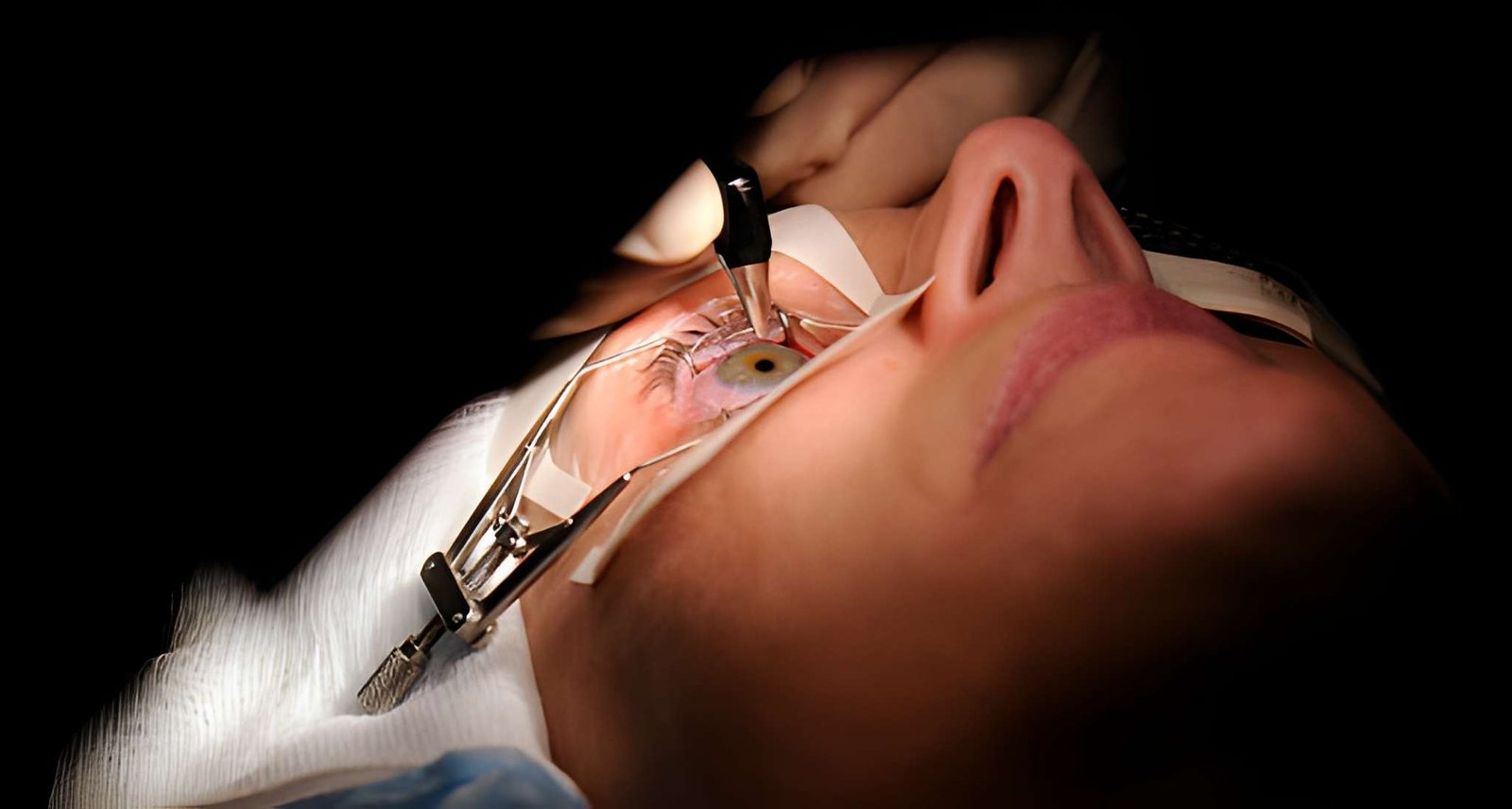
For millions living with retinal diseases, regular eye injections have long been the standard treatment. However, according to Dr. Qasim Qasem, new research suggests that replacing injections with simple, topical eye drops may soon become a reality. This advancement could greatly improve comfort and convenience for patients, marking a significant step forward in eye health innovation.
Research and Training: The Driving Force Behind Innovation
Progress in treating retinal diseases depends heavily on dedicated research and specialized training. Institutions and eye health organizations are investing in advanced laboratories, training programs, and collaborative projects that focus on understanding how molecular and cellular processes in the retina contribute to degeneration. Scientists are now examining novel drug delivery systems capable of penetrating the protective barriers of the eye, which may make drops as effective as injections for retinal conditions.
Grants and Funding Opportunities
Continued progress requires strong financial support. Research foundations, public institutions, and private organizations worldwide are offering grants aimed at accelerating clinical trials and advancing targeted therapies. These funds support not only research but also education, training, and outreach efforts. Increased investment in innovative drug delivery methods ensures that patients benefit from safer and more convenient treatment options in the near future.
Best Retina Experts in Dubai: Your Guide to Superior Eye Health
Eye Health Information and the Importance of Awareness
Public awareness and education are equally important in combating eye diseases. Many degenerative retinal disorders progress silently until late stages. By promoting early detection visits, routine screenings, and proactive health habits, eye health experts are empowering patients to take control of their vision. Resources focusing on retinal health now emphasize preventive lifestyle changes—diet, protection from UV exposure, and control of systemic diseases like diabetes—that directly influence visual outcomes.
The Science Behind Retinal Eye Drops
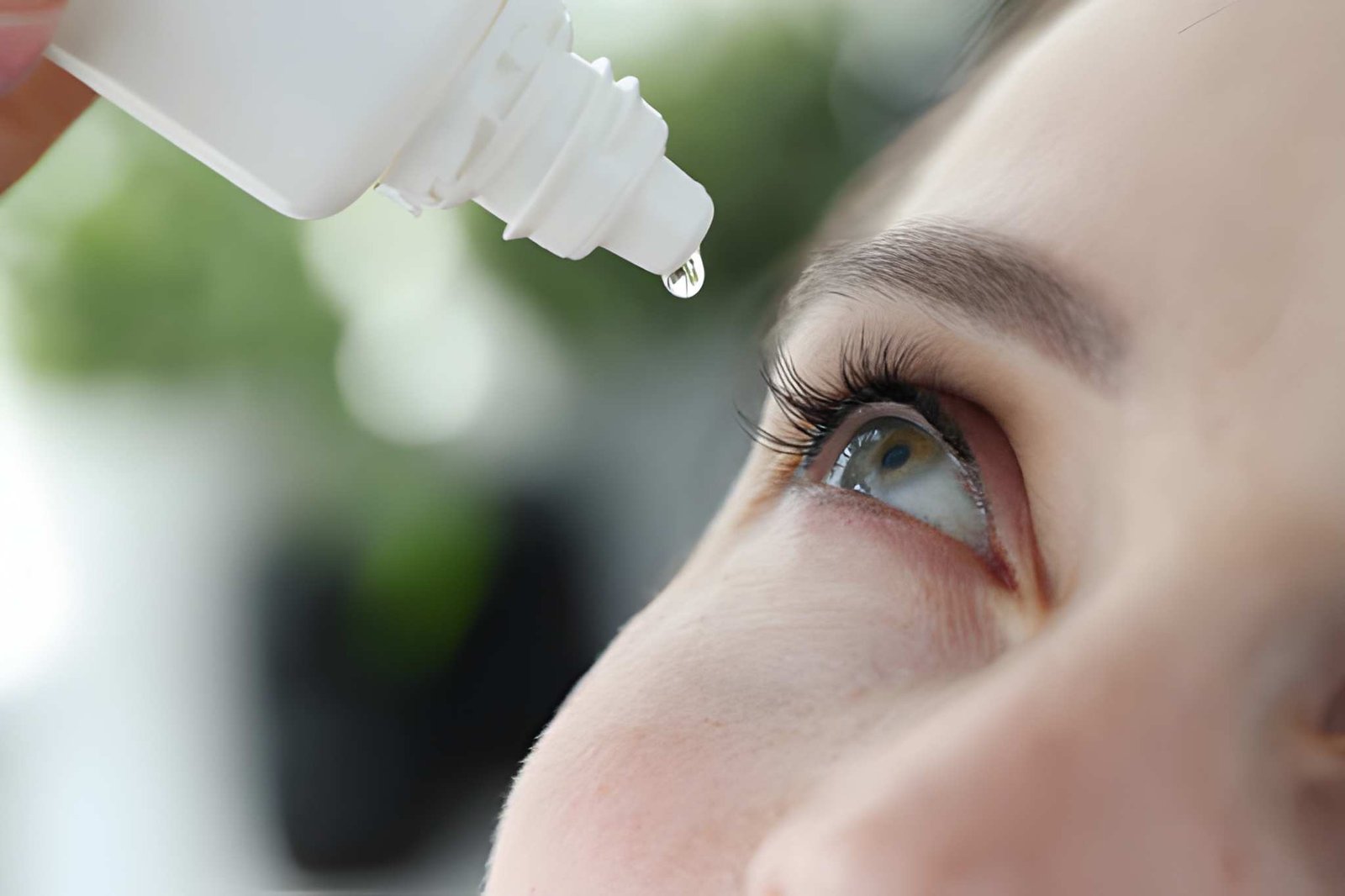
At the core of this research is the development of eye drops that can reach the retina’s deep layers. Recent advancements target an enzyme known to trigger cellular death in degenerative processes. By formulating compounds capable of crossing the corneal barrier and delivering therapeutic doses directly to the retina, researchers have demonstrated that these drops can potentially slow or even halt disease progression in early studies.
Such innovations could dramatically reduce the need for frequent injections, a significant improvement for patients living with conditions like age-related macular degeneration (AMD) or diabetic retinopathy. Scientists continue to refine these formulations to ensure they are stable, effective, and safe for long-term use.
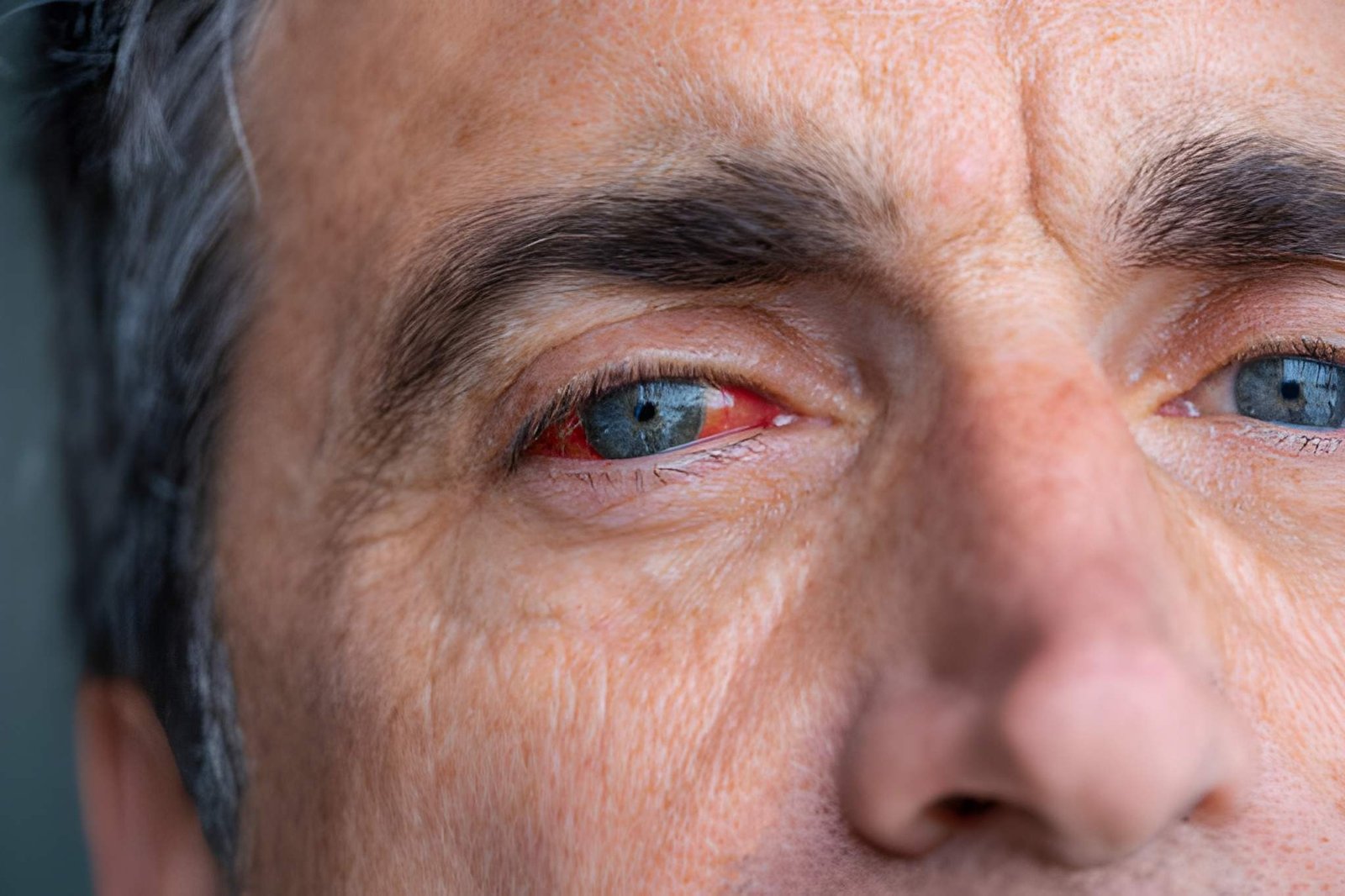
What are the first signs of retina problems?
Potential Benefits of Eye Drops Over Injections
- Ease of Use: Eye drops are far less invasive and can be self-administered at home.
- Increased Accessibility: Reduced clinic visits mean better access for patients in remote areas.
- Lower Risk: Avoiding injection-based treatments diminishes the likelihood of infection or injury to delicate eye tissues.
- Patient Comfort: Minimizing discomfort encourages consistent adherence to treatment plans.
Challenges and Future Directions
While early findings are promising, substantial challenges remain. Delivering large molecules through topical drops requires advanced nanotechnology and optimized chemical carriers. Researchers must also ensure uniform dosing, stability, and minimal side effects before such treatments can be approved for general clinical use. Rigorous human trials are currently underway to validate these findings and determine long-term safety and efficacy.
In parallel, advancements in genetic studies and stem-cell therapies are reshaping the outlook for retinal disease management, offering a multidimensional approach to vision preservation and recovery.
Turning Research Into Real-World Impact
Transforming lab results into practical treatments takes collaboration. Universities, vision research centers, and healthcare agencies are aligning their resources to bring these therapies from the lab to everyday clinics. Training eye care professionals to recognize the early symptoms of retinal degeneration and implement emerging treatments is equally essential to ensure effective adoption once eye drops become commercially available.
Additional Resources and Continuing Education
Ongoing professional education in ophthalmology and optometry ensures practitioners remain updated on the latest diagnostic techniques and treatments. Regular workshops, symposiums, and online modules foster an environment of lifelong learning, promoting a seamless transition from traditional injection therapy to the next generation of topical solutions.
Conclusion: A New Era for Retinal Care
The possibility of replacing eye injections with eye drops marks a revolutionary step toward patient-centered retinal care. Improved accessibility, reduced discomfort, and better adherence could redefine how millions of people maintain vision. As research continues, the dream of managing degenerative retinal diseases with a simple daily drop may soon become a standard of care in ophthalmology.
The Top Retina Eye Specialists in Dubai for World-Class Eye Care
FAQs
1. How do retinal eye drops differ from traditional eye drops?
Retinal eye drops are designed to penetrate deeper layers of the eye to deliver treatments directly to the retina, whereas standard eye drops typically treat conditions affecting the surface or anterior chamber of the eye.
2. Are these eye drops available to patients yet?
Most retinal eye drop formulations are still under clinical testing. Widespread public availability will depend on successful trial results and regulatory approval in the coming years.
3. What conditions could benefit from retinal-targeting eye drops?
Diseases such as age-related macular degeneration, diabetic retinopathy, and retinal vein occlusion may benefit the most from these innovations.
4. Will patients still need regular eye examinations?
Yes. Even if eye drops replace injections, regular eye exams remain essential for monitoring disease progression and treatment effectiveness.
5. What can patients do now to protect their retinal health?
Maintaining a balanced diet rich in antioxidants, protecting eyes from UV light, managing chronic conditions like diabetes, and scheduling routine eye exams can all support long-term eye health.
URL Slug: eye-drops-to-replace-retinal-injections