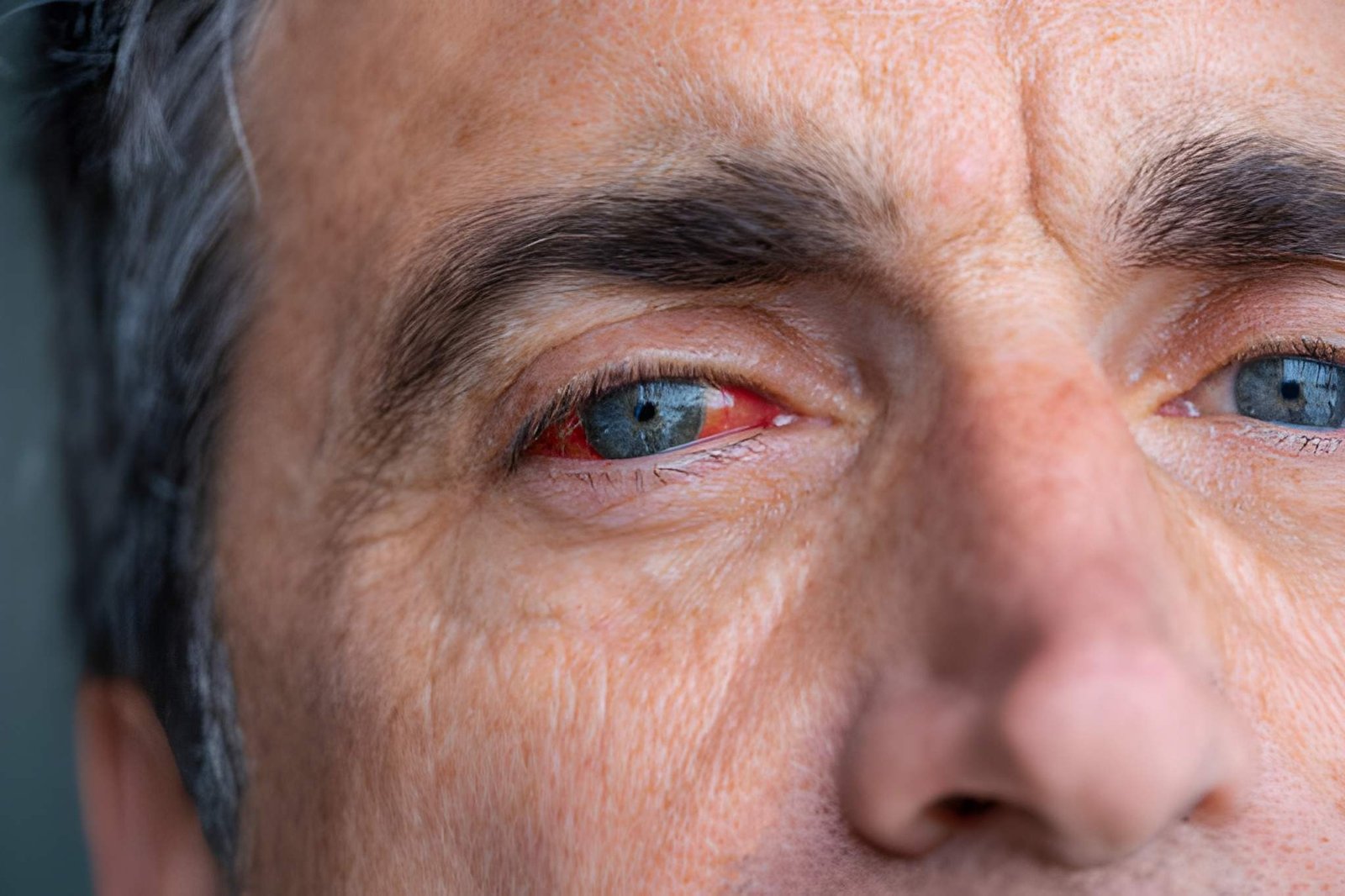
A retina eye specialist diagnoses and treats diseases affecting the retina, which is essential for clear vision. In Dubai, advanced diagnostic tools and specialized treatment options help manage retinal conditions and protect long-term eyesight.
Retinal diseases can affect vision and overall eye health if not treated early. Dubai offers advanced ophthalmology care and specialized retina experts. Understanding retinal conditions, symptoms, and treatment options helps patients seek timely and effective care.
What Is the Retina and Why Is It Important?
When consulting the Best Retina Eye Specialist in Dubai, understanding the retina is essential. The retina is a thin, light-sensitive layer located at the back of the eye. It converts light into signals that are sent to the brain. Damage to the retina can lead to blurred vision or permanent vision loss.
Common Retinal Diseases
Diabetic retinopathy
Retinal vein occlusion
Age-related macular degeneration
Retinal tear and retinal detachment
Macular hole
Posterior vitreous detachment
These conditions require early diagnosis to prevent serious complications.
Symptoms of Retinal Disorders
Blurred or distorted vision
Sudden vision loss
Flashes of light
Floaters or dark spots
Difficulty seeing in low light
If these symptoms appear, medical consultation is recommended immediately.
How Retinal Diseases Are Diagnosed
Diagnosis usually involves advanced imaging and detailed eye examinations.
Common diagnostic tools include:
Optical Coherence Tomography (OCT)
Fluorescein Angiography
Fundus Photography
These tests help determine disease severity and guide treatment planning.
Retina Treatment Options in Dubai
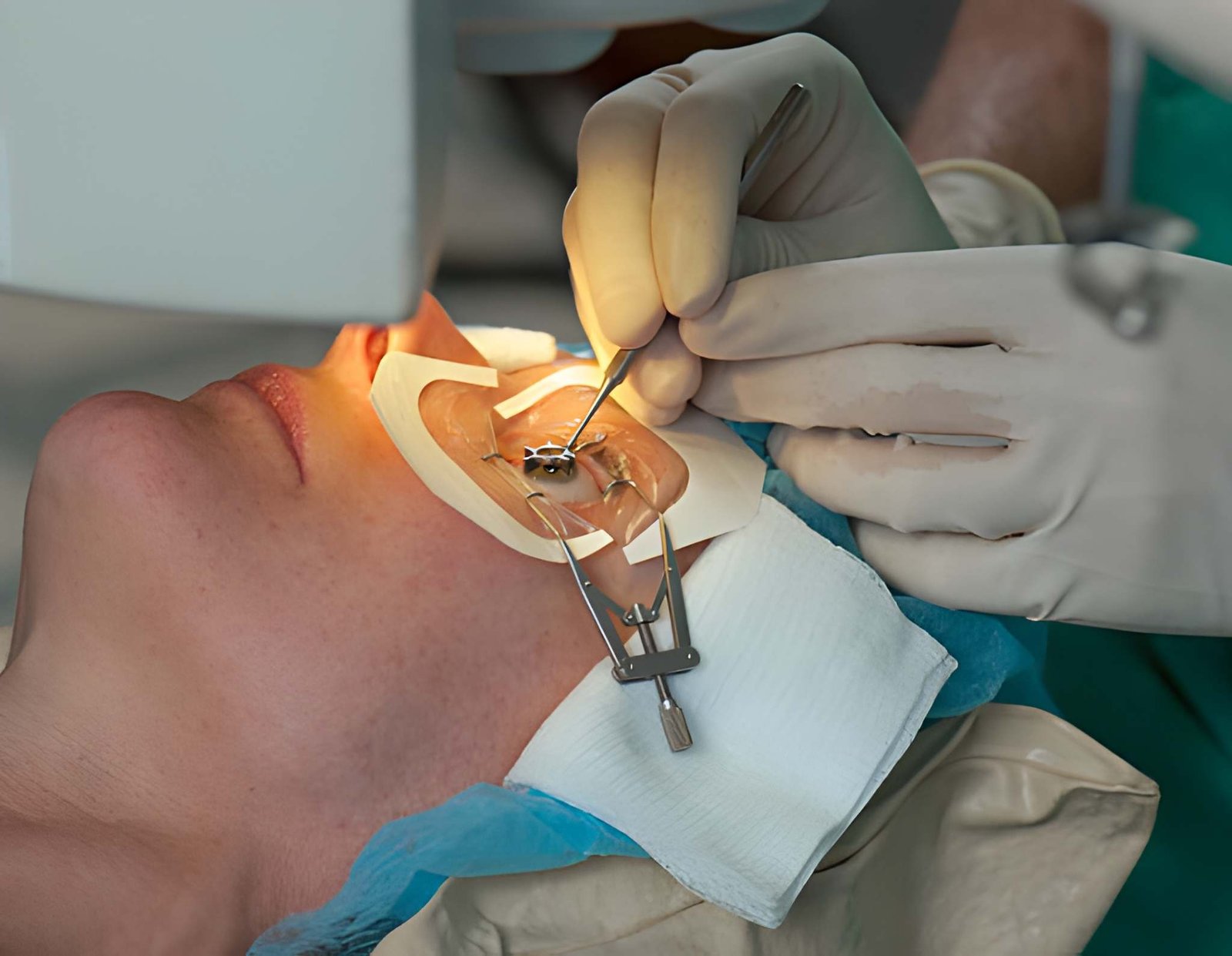
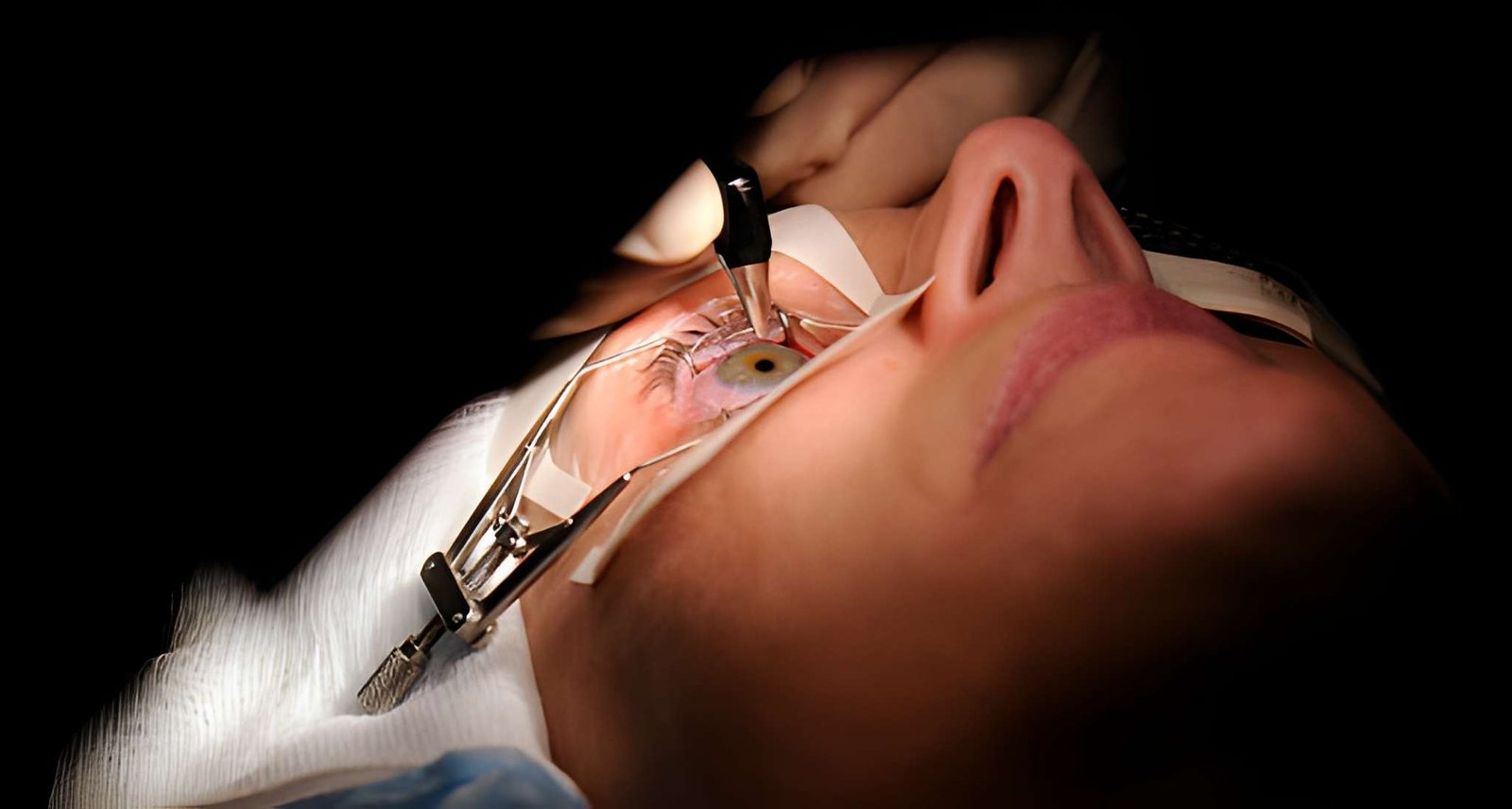
Used to treat macular degeneration and diabetic retinopathy by delivering medication directly into the eye.
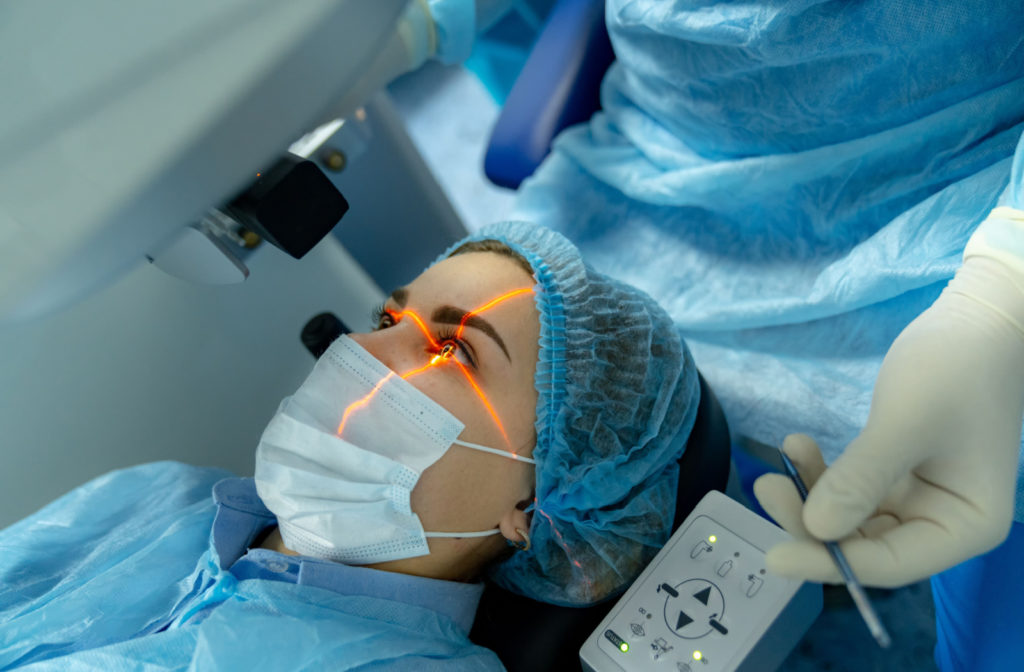
Laser Therapy
Helps seal leaking blood vessels and prevent abnormal growth.
Vitrectomy Surgery
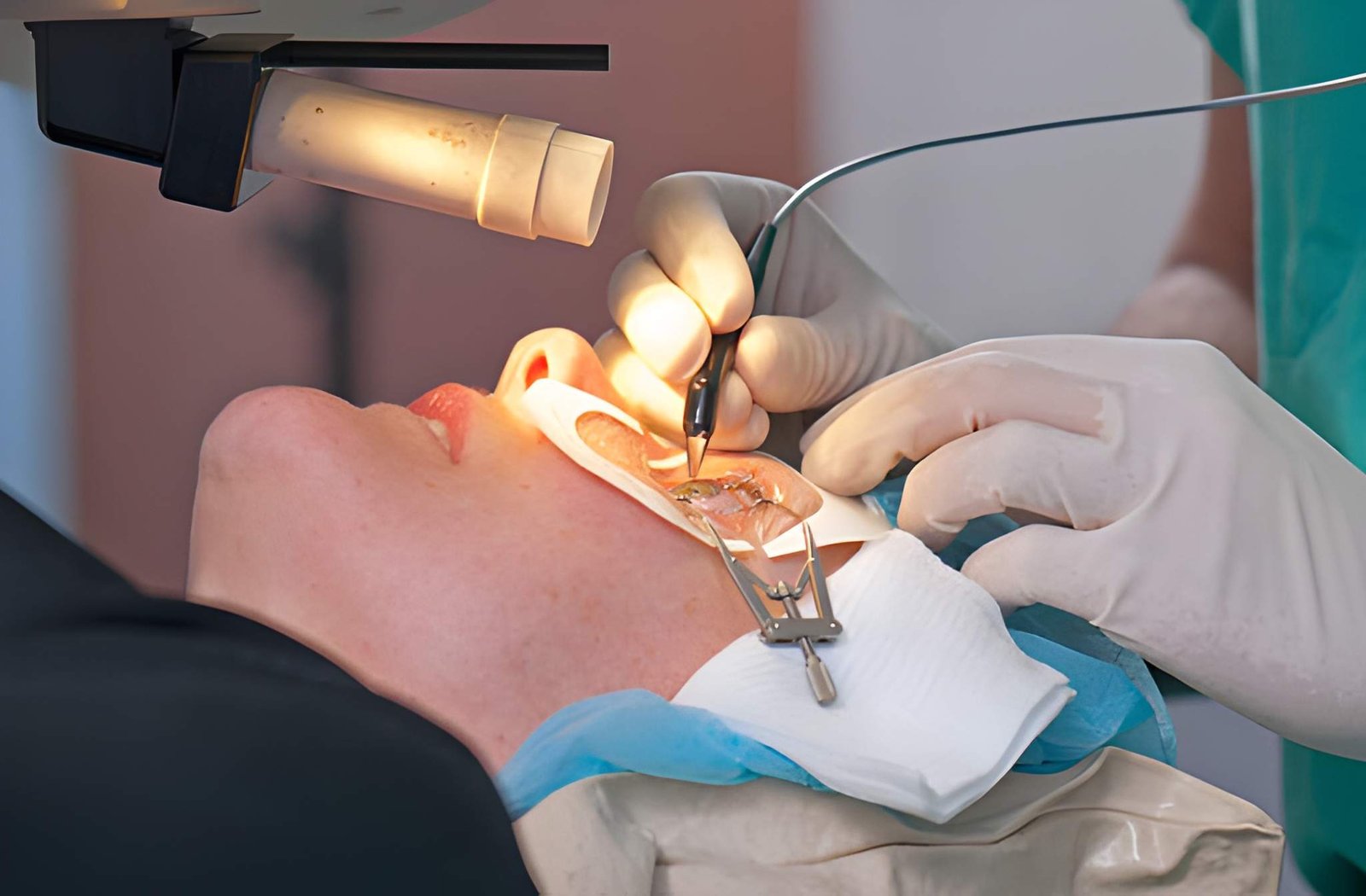
Removes the vitreous gel to repair retinal detachments or macular holes.
Photodynamic Therapy (PDT)
Uses light-activated medication to treat abnormal blood vessels.
Macular Hole Surgery
Repairs breaks in the macula to improve vision.
Step-by-Step Retina Treatment Process
Diagnosis and Evaluation
Comprehensive eye tests identify the retinal condition.Consultation
The specialist explains treatment options and expected outcomes.Treatment
May include injections, laser therapy, or surgery.Follow-Up Care
Regular monitoring ensures healing and treatment success.
Why Choose a Retina Specialist in Dubai?
Access to advanced diagnostic technology
Specialized retinal expertise
Personalized treatment plans
Improved visual outcome potential
Additional Eye Treatments Available
Many retina specialists also provide broader ophthalmology services, including:
Comprehensive eye examinations
Glaucoma management
Cataract surgery
Corneal treatment
What to Expect During Your Consultation
Detailed medical and vision history review
Advanced eye imaging tests
Personalized treatment recommendations
Consult Dr. Qasim Qasem for Advanced Retina Care in Dubai
If you are experiencing vision changes or have been diagnosed with a retinal condition, early consultation with a specialist can help protect your eyesight and prevent complications. Dr Qasim Qasem provides comprehensive retinal evaluations using advanced diagnostic technology and personalized treatment planning. From retinal injections and laser therapy to surgical retina care, treatment is tailored to each patient’s condition and long-term eye health goals.
Frequently Asked Questions (People Also Ask)
What is the recovery time after vitrectomy surgery?
Recovery usually takes several weeks. Vision gradually improves, and activity restrictions may be required.
Are intravitreal injections painful?
The procedure is usually comfortable because anaesthetic eye drops are used. Mild discomfort may occur temporarily.
Can retinal diseases be prevented?
Not all retinal diseases are preventable. However, controlling diabetes, blood pressure, and attending regular eye exams can reduce risk.
Is laser treatment permanent?
Laser treatment can stabilize retinal disease, but ongoing monitoring is usually required.
When should I see a retina specialist?
Seek medical attention if you experience sudden vision changes, floaters, flashes, or if you have diabetes or chronic eye conditions.
Author
Reviewed by: Ophthalmology & Retina Care Content Team
Medical Accuracy: Retina & Vision Treatment Guidance
Last Updated
Last updated: 3 February 2026