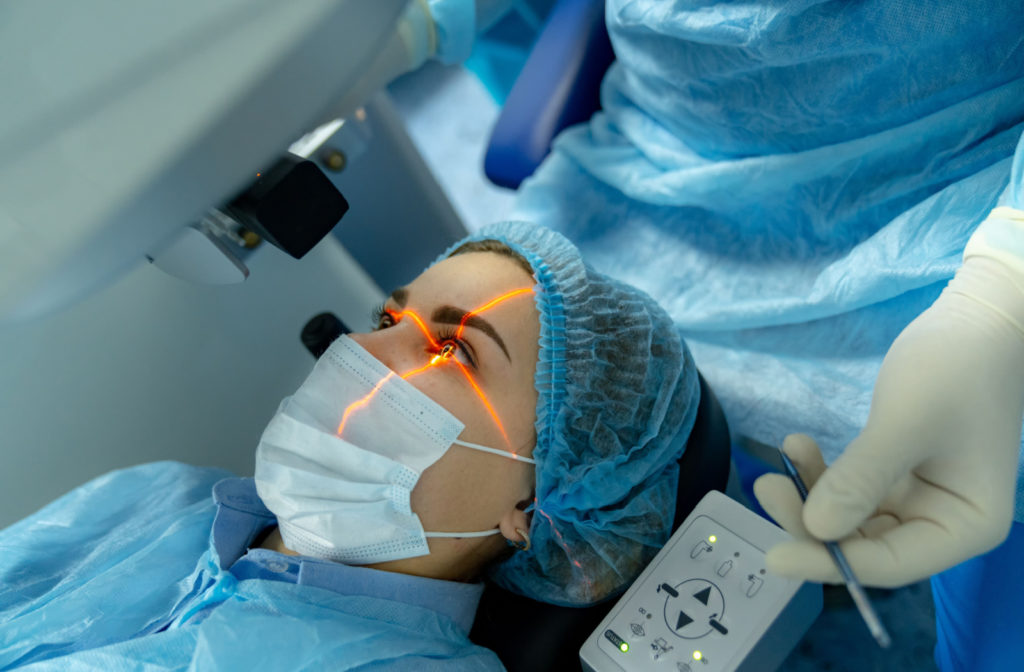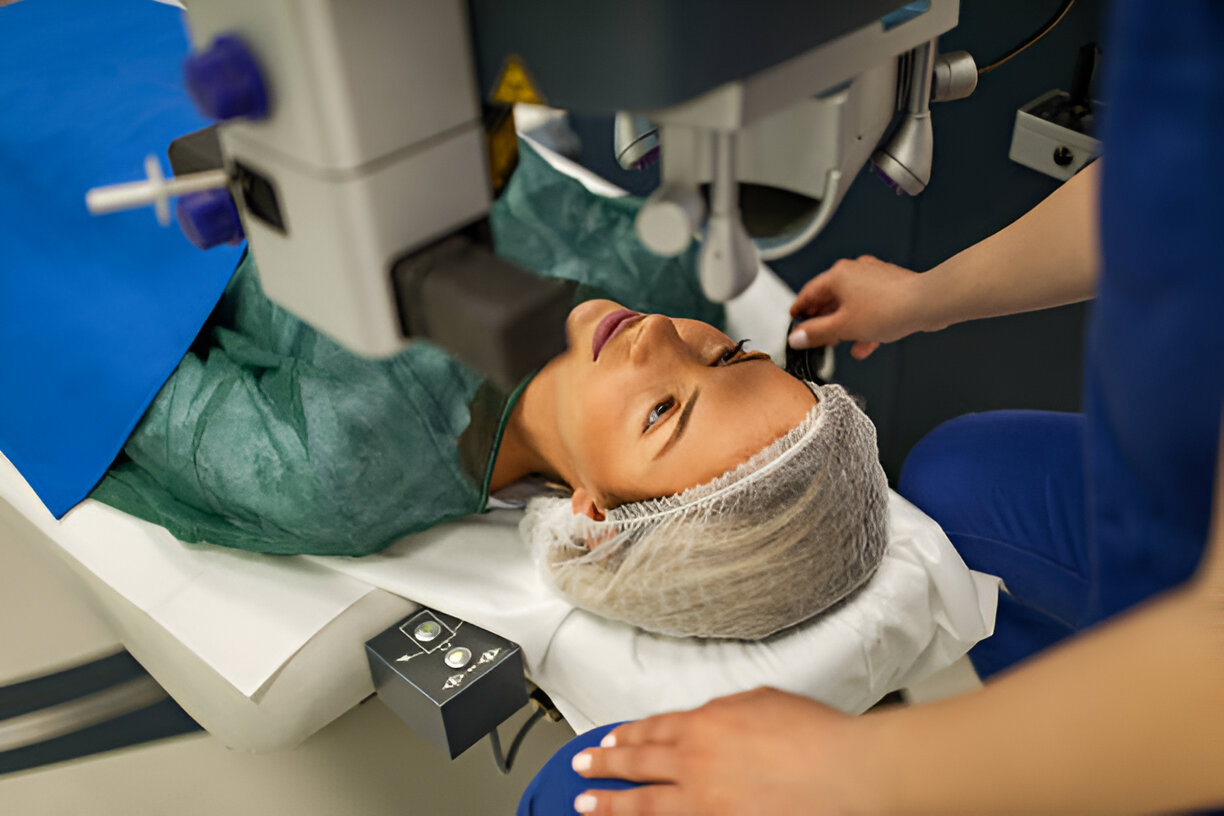
Yes, most patients remain awake during cataract surgery. Surgeons typically use local anaesthesia in the form of eye drops, which numb the eye while allowing patients to stay comfortable and responsive throughout the procedure.
The short answer is that most people are awake during cataract surgery but do not feel pain.
Many patients worry about seeing surgical instruments or feeling discomfort. However, modern cataract surgery techniques make the procedure quick, safe, and surprisingly comfortable.
Why Are Patients Awake During Cataract Surgery?
Patients remain awake because cataract surgery requires only local anaesthesia rather than general anaesthesia.
Local anaesthesia reduces risks and supports a faster recovery compared with being fully asleep.
Cataract surgery involves removing the eye’s cloudy natural lens and replacing it with an artificial lens known as an intraocular lens (IOL). Since the procedure affects only the eye, full-body anaesthesia is usually unnecessary.
According to the American Academy of Ophthalmology (AAO), cataract surgery is one of the most commonly performed and successful surgical procedures worldwide.
What is the Fastest Way to Get Rid of Cataracts?
What Type of Anaesthesia Is Used During Cataract Surgery?
Most cataract procedures use local anaesthesia delivered through medicated eye drops.
Anaesthetic eye drops prevent pain while keeping patients comfortable and alert.
Depending on individual needs, the surgeon may also use:
- Mild oral sedatives
- Intravenous (IV) sedation
- Local anaesthetic injections around the eye
- Relaxation medication before surgery
The Royal College of Ophthalmologists notes that topical anaesthesia has become the preferred method for routine cataract surgery because it is effective and well tolerated.
What Is Conscious Sedation?
Conscious sedation is a medication technique that helps patients feel relaxed without losing consciousness.
Patients remain awake but often remember very little about the procedure afterwards. This option is particularly helpful for individuals who feel anxious about eye surgery.
Do You Need Glasses After Cataracts Are Removed? Complete Guide
What Do You See During Cataract Surgery?
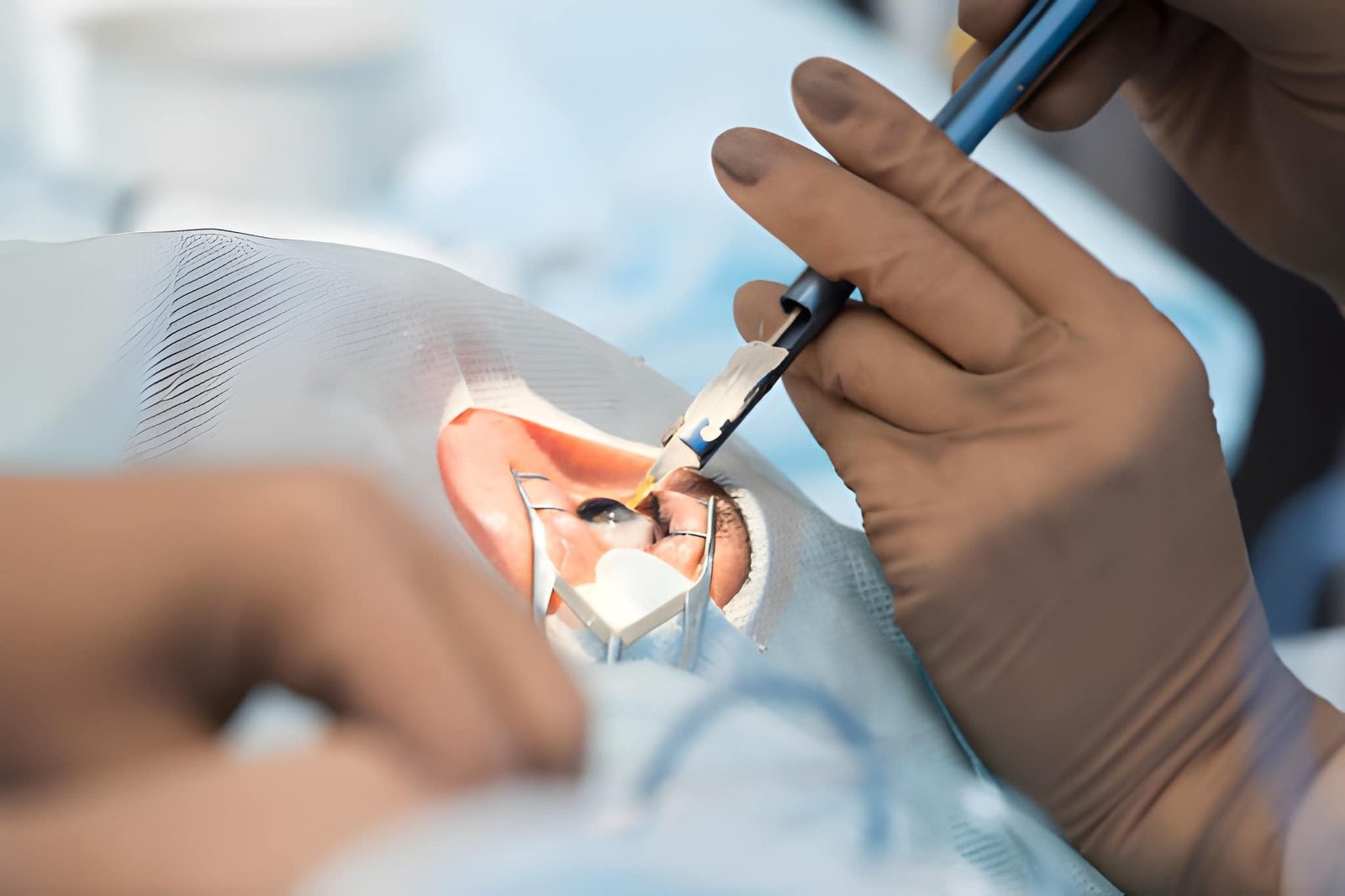
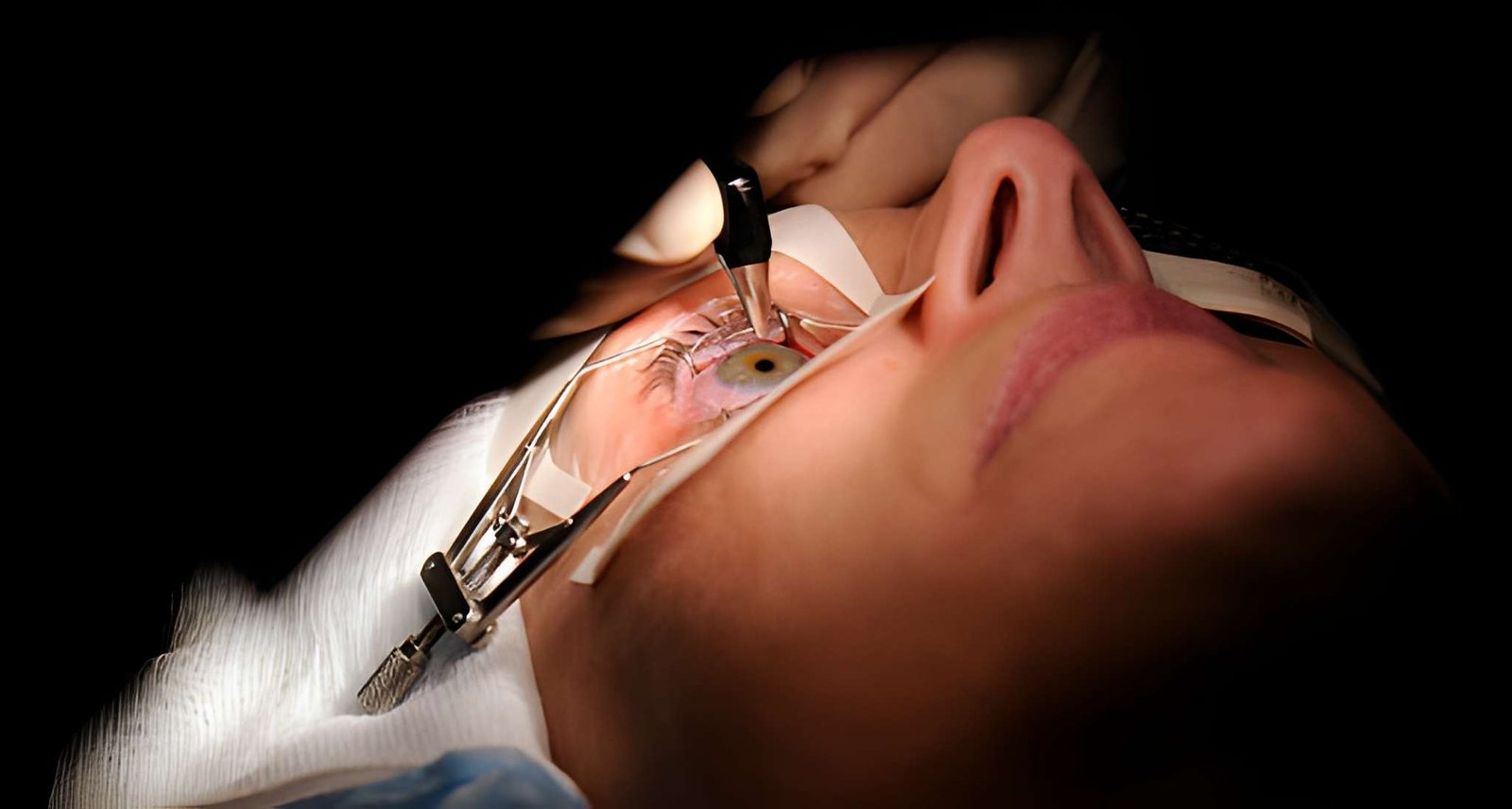
Patients do not see the surgeon operating on the eye.
Most people only notice bright lights, colours, or vague movements during surgery.
The eye remains numb, and the surgical microscope’s bright light often dominates the visual experience. Many patients describe seeing:
- Bright white light
- Blue or colourful patterns
- Shadows or movement
- Temporary changes in brightness
Seeing these visual effects is normal and does not indicate a problem.
Does Cataract Surgery Hurt?
Modern cataract surgery is generally painless.
Patients may feel mild pressure but should not experience pain during the procedure.
The anaesthetic eye drops effectively numb the surface of the eye. Some patients notice slight sensations when the surgeon applies instruments, but these feelings are usually brief and mild.
If discomfort occurs, the surgical team can provide additional medication immediately.
What Happens During Cataract Surgery?
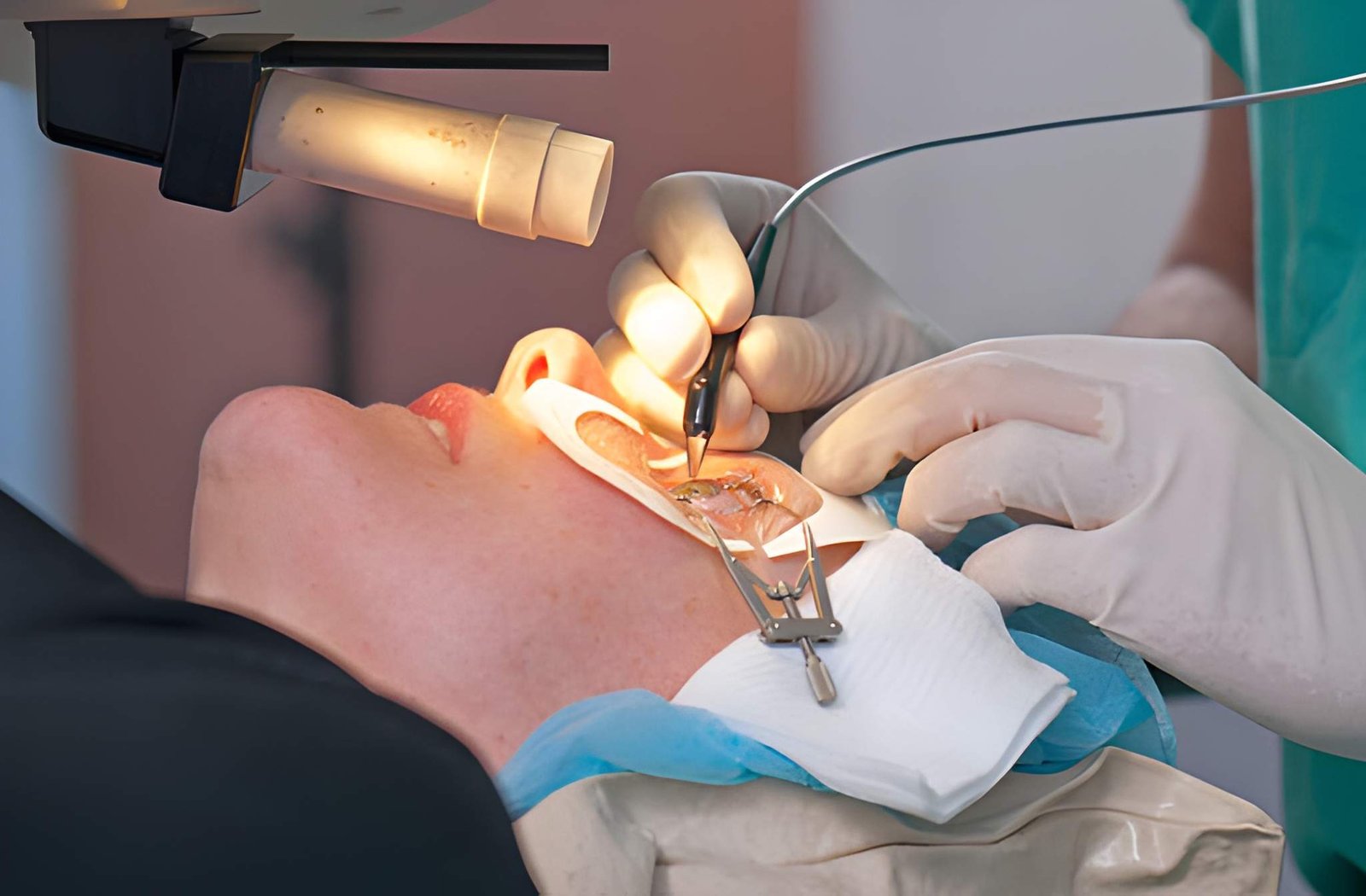
Cataract surgery follows a straightforward process that usually takes less than 30 minutes.
Most cataract procedures are completed within 15 to 30 minutes.
The process typically includes:
- Administration of anaesthetic eye drops
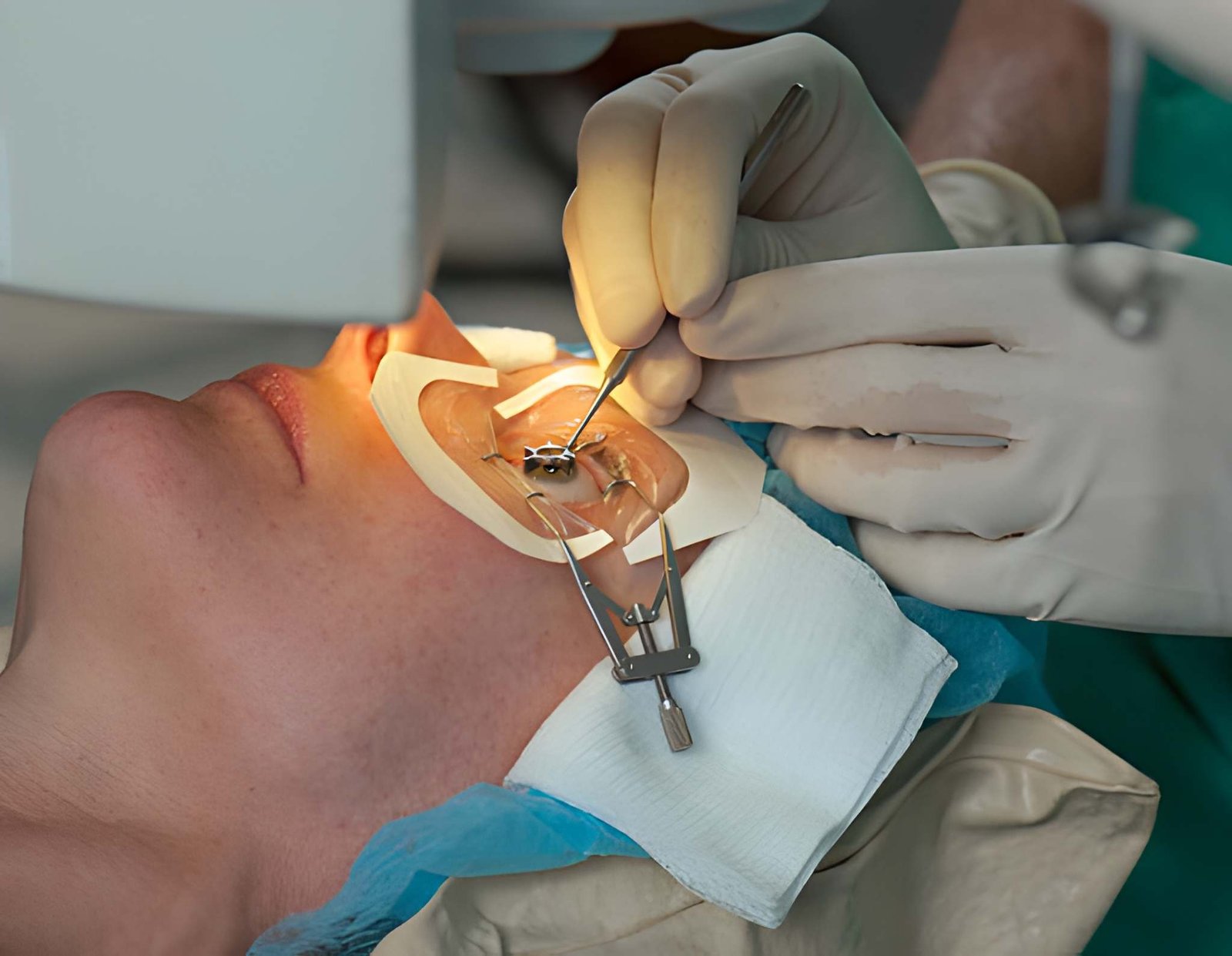
- Preparation and sterilisation of the eye
- Creation of a tiny surgical incision
- Removal of the cloudy lens using phacoemulsification
- Placement of an artificial intraocular lens (IOL)
- Post-operative assessment before discharge
Phacoemulsification is an advanced technique that uses ultrasound energy to break up the cataract before removal.
According to the UK National Health Service (NHS), most patients return home on the same day as surgery.
How Can I Stop My Cataracts from Getting Worse?
Who May Need General Anaesthesia for Cataract Surgery?
Although uncommon, some patients may require general anaesthesia.
General anaesthesia is usually reserved for special medical circumstances.
Examples include:
- Young children
- Patients with severe movement disorders
- Individuals unable to cooperate during surgery
- Certain neurological conditions
The ophthalmologist evaluates each patient individually before recommending the safest approach.
What Is Recovery Like After Cataract Surgery?
Recovery is typically fast and uncomplicated.
Many patients notice improved vision within a few days of surgery.
Common recovery milestones include:
First 24 Hours
- Mild irritation
- Slight blurry vision
- Increased light sensitivity
First Week
- Vision gradually sharpens
- Daily activities become easier
- Eye drops support healing
First Month
- Most healing is complete
- Vision stabilises
- Follow-up assessments confirm results
At Dr. Qasim Qasem’s practice in Dubai, many cataract patients report significant improvements in reading, driving, and daily independence within weeks of surgery.
Can You See a Cataract in the Mirror? Complete Guide
Is Cataract Surgery Safe?
Cataract surgery has an excellent safety record when performed by experienced ophthalmologists.
More than 95% of cataract surgeries achieve successful visual outcomes without serious complications.
Advances in surgical technology, lens design, and diagnostic imaging continue to improve patient safety and outcomes.
Choosing a qualified ophthalmologist, following post-operative instructions, and attending follow-up appointments all contribute to successful results.
Why Choose Dr. Qasim Qasem for Cataract Care in Dubai?
Selecting an experienced cataract specialist helps ensure personalised treatment and optimal visual outcomes.
Expert evaluation and surgical planning play a major role in cataract surgery success.
Dr. Qasim Qasem provides comprehensive cataract assessments, advanced diagnostic testing, and personalised treatment recommendations in Dubai. Patients receive detailed guidance on lens options, surgical techniques, and recovery expectations to support informed decision-making.
Book a Consultation
If cataracts are affecting your vision or daily activities, professional assessment can help determine the best treatment approach.
Book a consultation with Dr. Qasim Qasem in Dubai to discuss your symptoms, evaluate your eye health, and learn whether cataract surgery is the right solution for you.
Frequently Asked Questions
Are you completely awake during cataract surgery?
Yes. Most patients remain fully awake throughout cataract surgery. Surgeons use local anaesthetic eye drops to numb the eye, and some patients receive mild sedation to help them relax. Being awake allows patients to cooperate with simple instructions during the procedure.
Can you blink during cataract surgery?
No. A small device called an eyelid speculum gently keeps the eye open during surgery. Patients do not need to worry about blinking, and the device does not cause pain because the eye is numb.
Do patients feel pain during cataract surgery?
Most patients experience little to no pain during cataract surgery. Anaesthetic eye drops numb the eye effectively, while optional sedation helps reduce anxiety. Mild pressure sensations may occur but are usually not uncomfortable.
How long are you awake during cataract surgery?
Patients are awake for the entire procedure, which usually lasts between 15 and 30 minutes. Preparation and recovery time may extend the total clinic visit to a few hours.
What do patients see during cataract surgery?
Patients commonly see bright lights, colours, shadows, or movement. They do not see the surgical details themselves because the microscope light dominates their vision during the operation.
Can cataract surgery be performed while asleep?
Yes, but only in selected cases. General anaesthesia may be recommended for children, patients with severe anxiety, or those with medical conditions that make cooperation difficult during surgery.
Is cataract surgery safe for older adults?
Yes. Cataract surgery is commonly performed on older adults and has a strong safety record. Age alone rarely prevents successful treatment when overall health is properly assessed beforehand.
How soon can normal activities resume after surgery?
Most patients resume light activities within one or two days. However, strenuous exercise, swimming, and heavy lifting should be avoided until the ophthalmologist confirms that healing is progressing normally.
6. Author Bio Suggestion
Dr. Qasim Qasem is a highly experienced ophthalmologist in Dubai with expertise in cataract surgery, retinal diseases, and advanced vision care. Through evidence-based treatment and personalised patient care, Dr. Qasem helps individuals achieve safer procedures and better visual outcomes.
Author
Reviewed by: Dr. Qasim Qasem
Consultant Ophthalmologist
Last Updated
Last updated: 14 January 2026