Overview of Retinal Diseases
The retina is a thin, light-sensitive layer of tissue located at the back of the eye. It converts light into nerve signals that are sent to the brain for visual recognition. Retinal diseases refer to a group of conditions that affect this essential tissue, potentially leading to vision impairment or blindness if left untreated.
Consulting a qualified retina specialist is crucial for early diagnosis and effective management of these conditions. Understanding the types, symptoms, risk factors, and treatment options for retinal diseases can help you preserve eye health and take timely preventive action under the guidance of an experienced retina specialist.
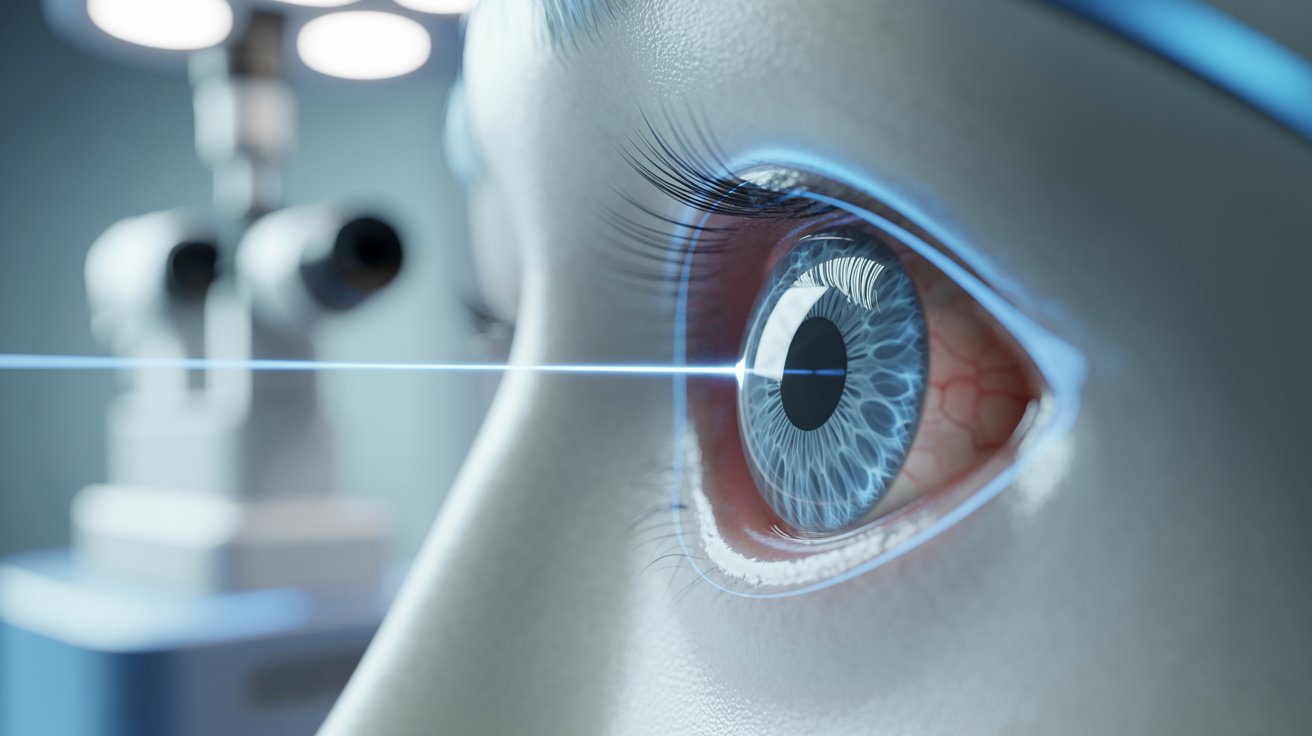
Parts of the Eye and Retina
The eye is composed of several key parts that work together to process light and enable vision:
- Cornea: The transparent front layer that helps focus light.
- Pupil: The opening that adjusts light intake.
- Lens: Focuses light onto the retina.
- Retina: Receives and converts light into electrical signals.
- Macula: The central part of the retina responsible for sharp vision.
Damage to any of these parts, particularly the retina, can significantly affect eyesight.
Types of Retinal Diseases
- Diabetic Retinopathy: Caused by damage to retinal blood vessels due to high blood sugar.
- Macular Degeneration: A leading cause of vision loss in older adults, affecting the macula.
- Retinal Detachment: Occurs when the retina separates from the back of the eye, requiring immediate care.
- Retinitis Pigmentosa: A genetic disorder leading to gradual retinal degeneration.
- Macular Hole: A small break in the macula that blurs central vision.
Best Retina Experts in Dubai: Your Guide to Superior Eye Health
Common Symptoms of Retinal Issues
Retinal problems often present subtle symptoms that worsen over time. Watch for these signs:
- Blurry or distorted vision
- Darkened or clouded areas in vision
- Increased floaters or flashes of light
- Loss of peripheral (side) vision
- Sudden shadow or curtain over part of the visual field
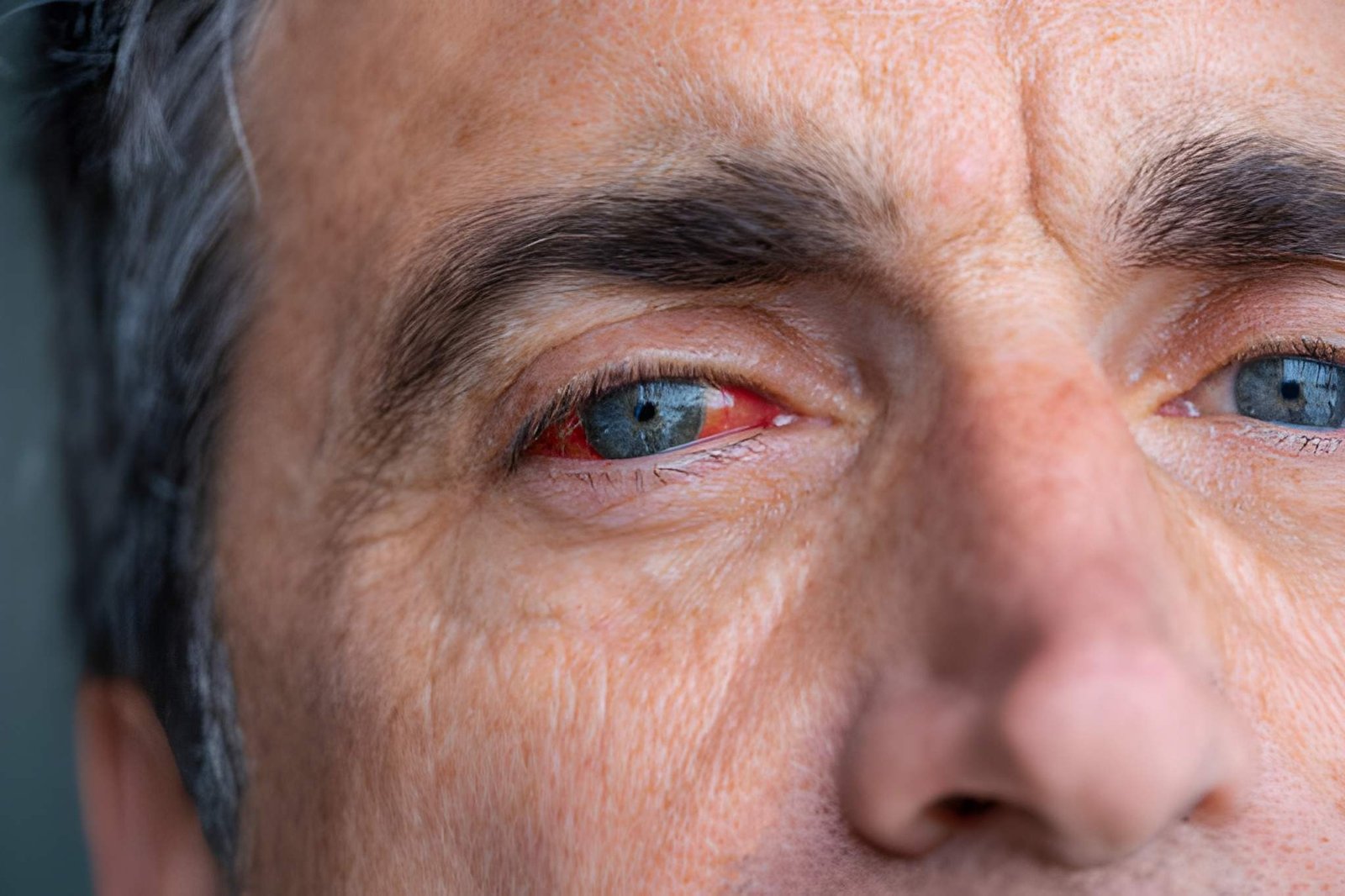
Any sudden changes in vision should be evaluated by an eye professional immediately to prevent permanent damage.
Early Warning Signs
Early detection can significantly improve treatment outcomes. Some early indicators include difficulty focusing, colors appearing dull, or trouble adapting to dim light. Regular eye examinations can identify these issues before they progress.
When to See an Eye Doctor
Schedule an exam as soon as you notice a rapid onset of floaters, flashes of light, dark spots, or blurred vision. Delaying diagnosis can result in irreversible vision loss, especially for conditions like retinal detachment or diabetic retinopathy.
Risk Factors and Causes
Several factors can increase your risk of retinal disease, including:
- Age-related degeneration
- Diabetes or uncontrolled blood sugar
- High blood pressure or cholesterol
- Family history of eye disorders
- Exposure to excessive sunlight without eye protection
Maintaining a healthy lifestyle and managing chronic conditions are essential prevention steps.
How to Find the Best Retina Eye Specialist in Dubai for Advanced Treatment
Diagnosis of Retinal Issues
Eye specialists use advanced diagnostic tools to detect retinal problems. These may include:
- Dilated Eye Exam: Allows a detailed view of the retina and macula.
- Optical Coherence Tomography (OCT): Provides cross-sectional images of the retina.
- Fluorescein Angiography: Highlights blood flow in retinal vessels.
- Ultrasound Imaging: Helps detect retinal detachment or tumors.
Early and accurate diagnosis can guide the most effective treatment plan.
Treatment Options for Retinal Disorders
Treatment depends on the type and stage of the disease. Common approaches include:
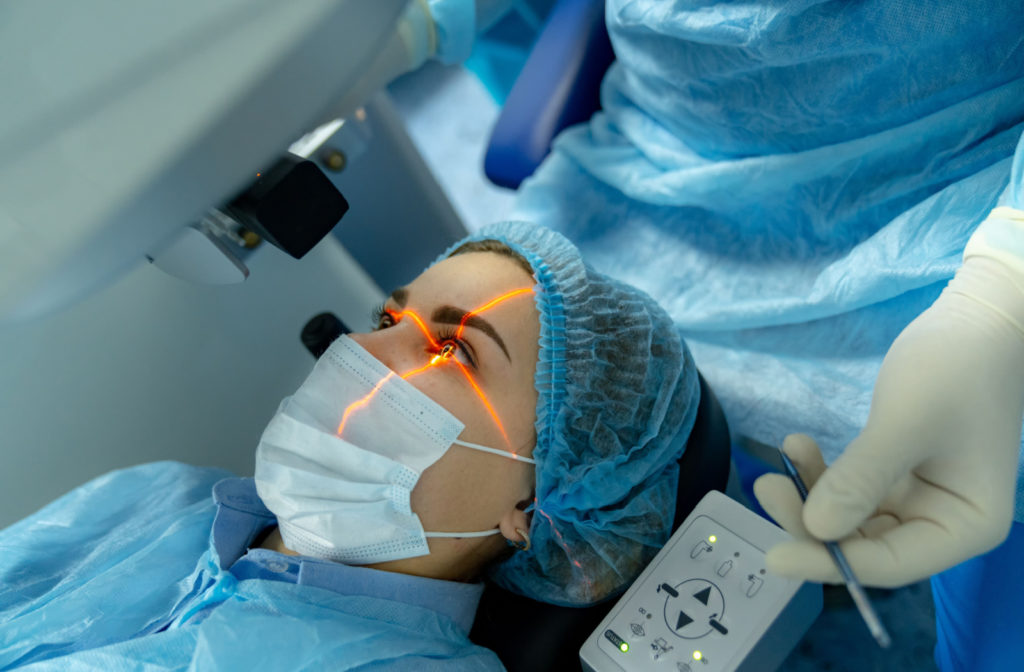
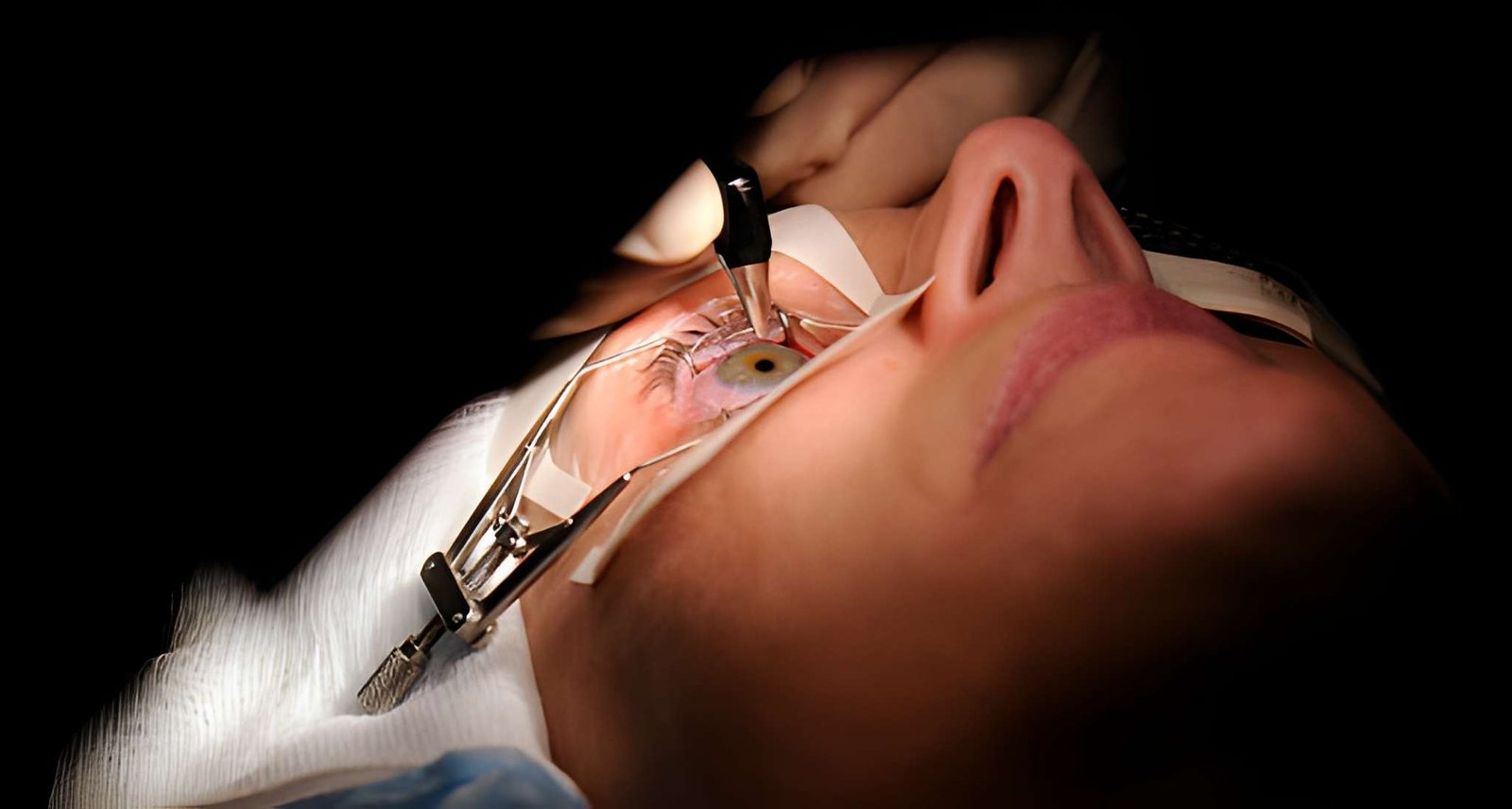
- Laser Therapy: Used to repair torn or leaking retina tissue.
- Injections: Anti-VEGF or corticosteroid injections help reduce swelling and stop vessel growth.
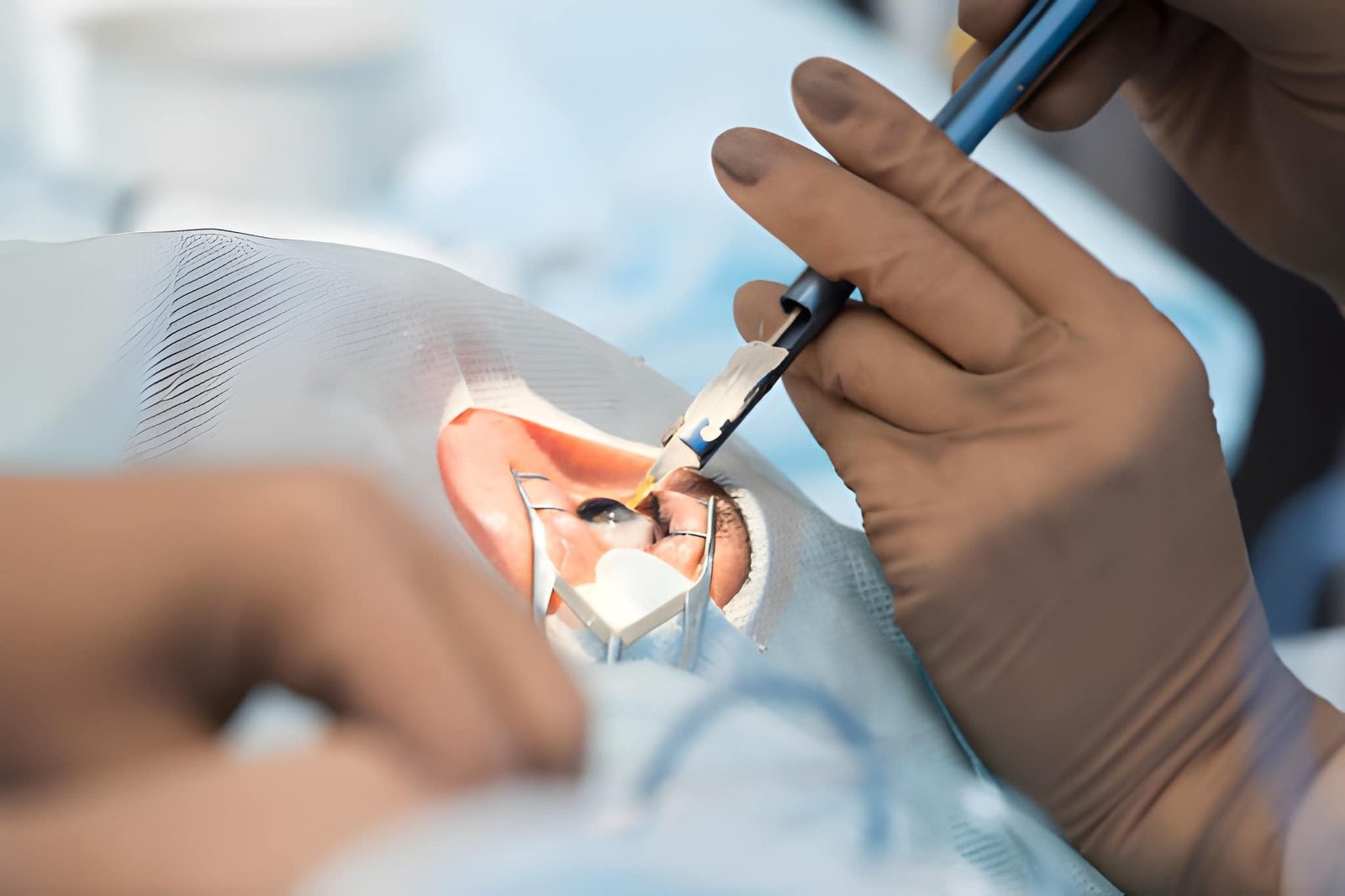
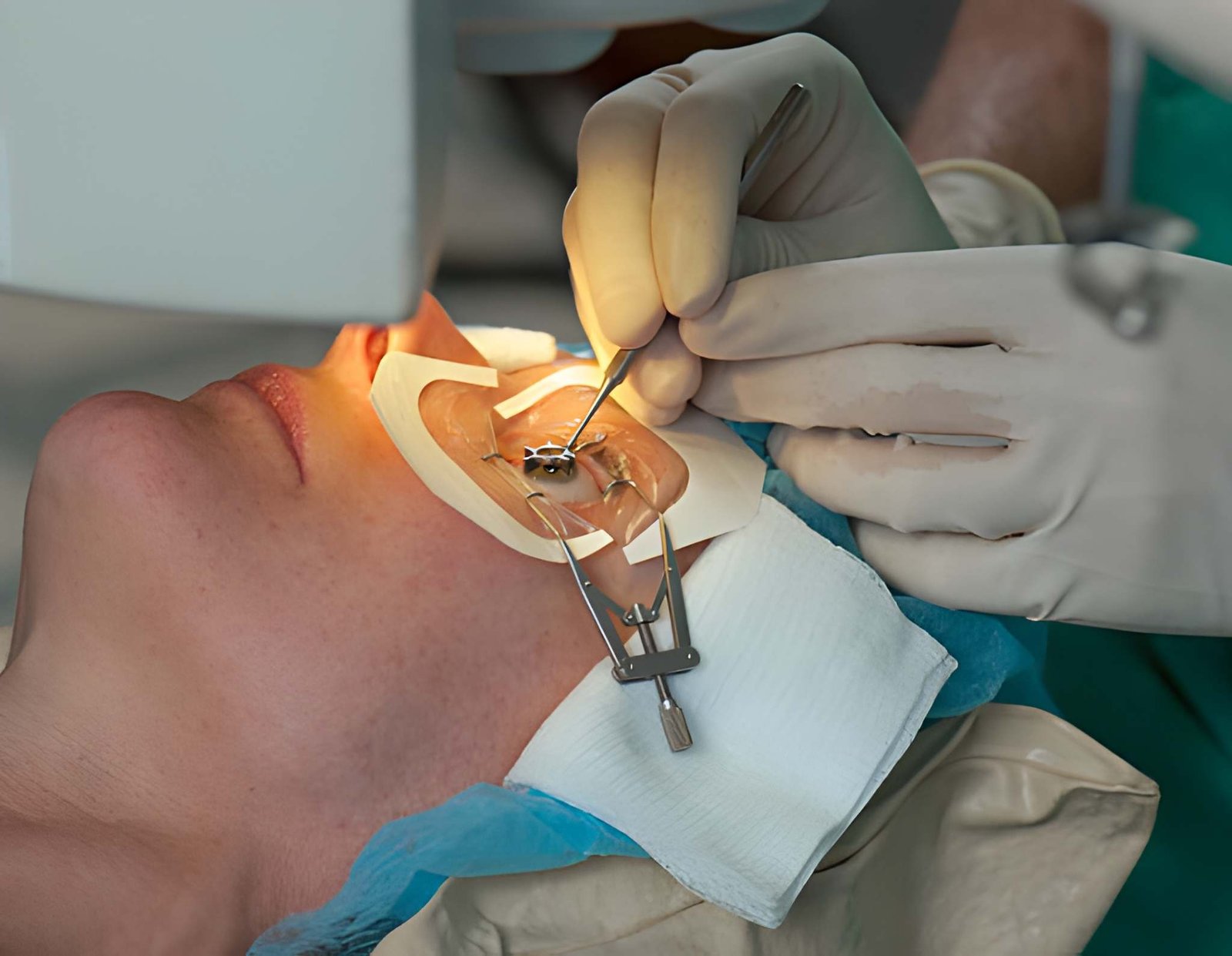
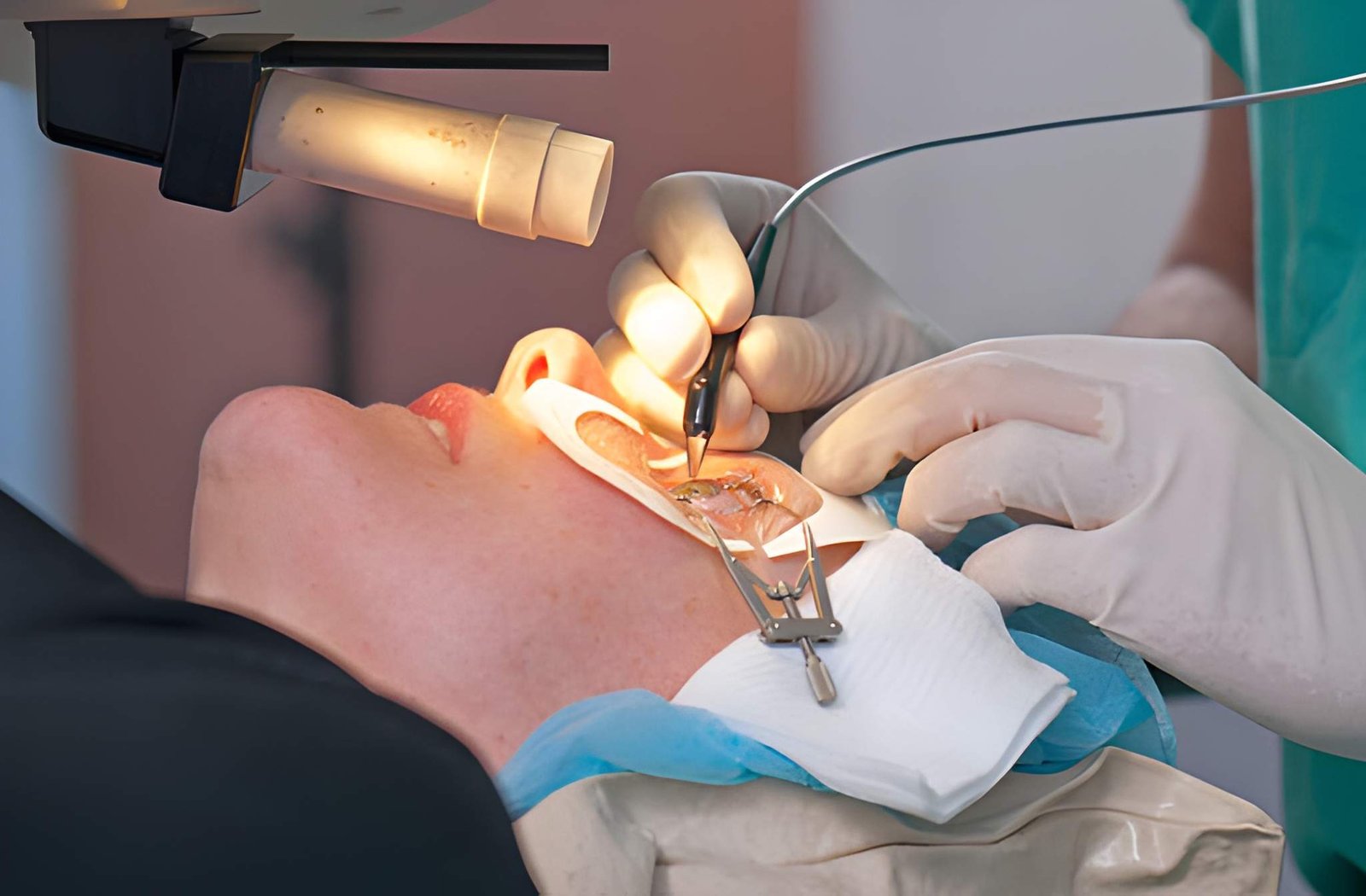
- Surgery: Procedures like vitrectomy or scleral buckling may be required for retinal detachment.
- Medication and Lifestyle Changes: Controlling underlying conditions like diabetes and hypertension supports retinal health.
Your eye specialist will recommend the best course of action based on the severity and underlying cause of your condition.
Can Retina Heal Without Surgery?
Protecting Your Vision
In addition to medical treatments, adopting healthy habits can help prevent retinal issues. This includes eating a nutrient-rich diet, wearing sunglasses, avoiding smoking, and undergoing regular eye screenings.
Take control of your vision today by scheduling routine eye exams and paying close attention to early warning signs. Early care is the key to maintaining lifelong eye health and clear vision. As Dr. Qasim Qasem emphasizes, proactive check-ups and timely diagnosis can make a significant difference in preventing serious vision complications and preserving long-term eye wellness.
FAQs
1. What is the most common retinal disease?
Age-related macular degeneration is the most common retinal condition, particularly among older adults. It primarily affects central vision and can progress gradually.
2. Can retinal diseases be cured?
While some retinal diseases cannot be completely cured, early treatment can slow or stop progression and preserve vision. Advances in surgery and medication have greatly improved outcomes.
3. How often should I get my eyes checked?
Adults should have a comprehensive eye exam every one to two years, or more frequently if they have diabetes, hypertension, or a family history of eye disorders.
4. What are floaters and flashes?
Floaters are small specks or threads that appear in your vision, while flashes look like brief bursts of light. A sudden increase in either could indicate retinal detachment and needs urgent evaluation.
5. Can diet and lifestyle affect retinal health?
Yes. A diet rich in leafy greens, omega-3 fatty acids, and antioxidants supports retinal health. Managing systemic conditions like diabetes and avoiding smoking also protect your vision.