Eye twitching is usually caused by fatigue, stress, caffeine, or eye strain. Most cases are harmless and temporary. Persistent twitching may require an eye examination to rule out neurological or ocular conditions.
Many people ask why do my eyes keep twitching or why does my eye keep twitching without warning. Eye twitching is common and often linked to lifestyle factors like stress or lack of sleep. In most cases, it settles on its own. Understanding the cause helps you know when to relax and when to see a specialist.
Eye Twitching: What Is It?
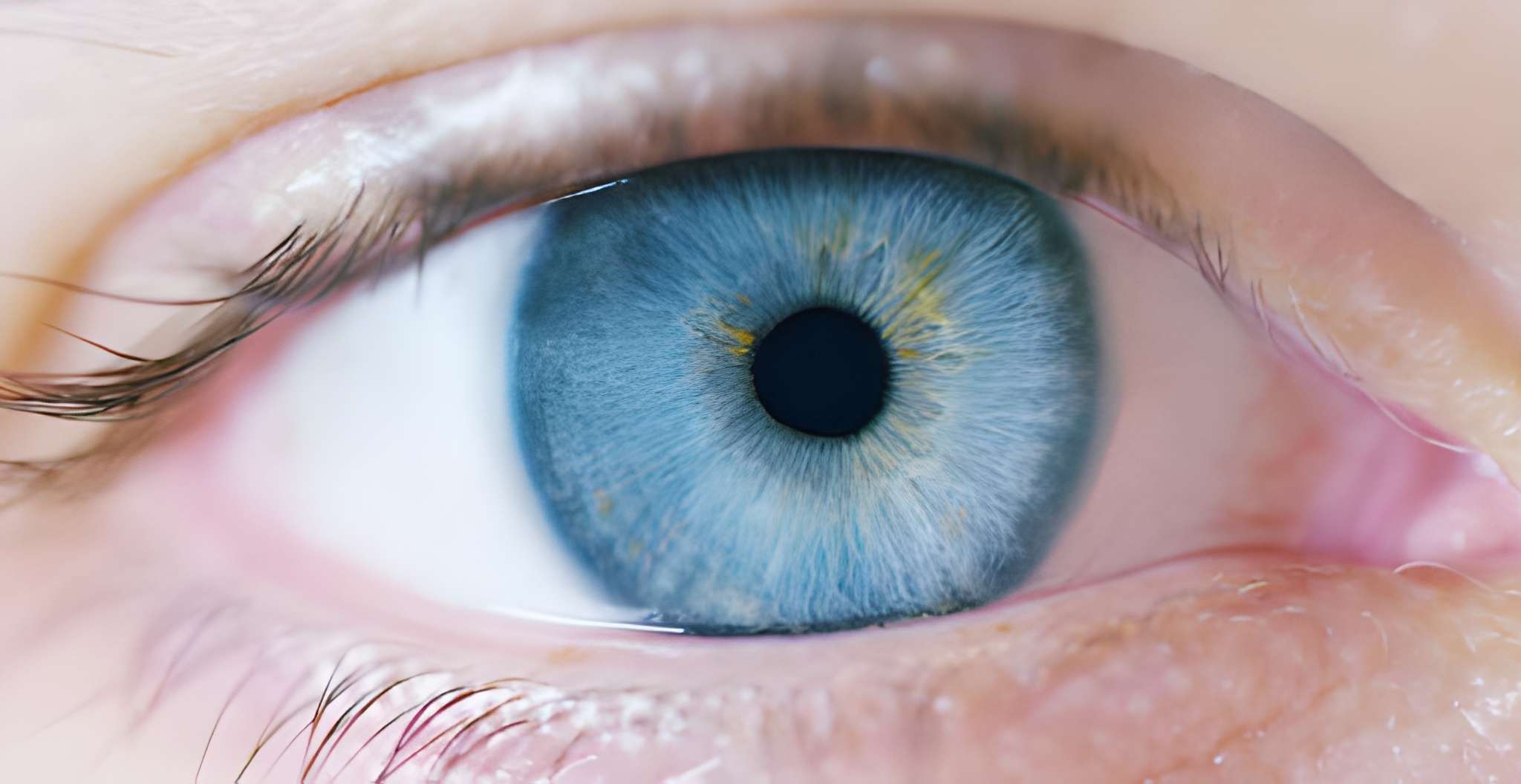
Eye twitching, medically called ocular myokymia, is an involuntary movement of the eyelid muscles. It usually affects one eye and often involves the lower or upper eyelid. The condition is usually benign and temporary and is not related to Laser Eye Surgery in Dubai, though people sometimes notice twitching due to eye strain, dryness, or fatigue when considering or researching vision correction treatments.
Why Is My Eyes Twitching? Common Triggers
Eye twitching can happen for several everyday reasons:
Lack of sleep or fatigue
Emotional or physical stress
Excess caffeine intake
Eye strain from screens
Dry or irritated eyes
Bright light exposure
These triggers explain why my eyes keep twitching in most healthy adults.
Why Does Under My Eye Keep Twitching?
If you’re wondering why does under my eye keep twitching, the lower eyelid is especially sensitive to fatigue and stress. Dehydration, eye strain, or dryness often play a role. This type of twitching is rarely serious.
Why Does My Eyeball Keep Twitching?
People often describe eyelid twitching as feeling like the eyeball is moving. In reality, why does my eyeball keep twitching is usually muscle activity around the eye, not the eyeball itself. True eyeball movement problems are rare and usually come with vision changes.
Who Is at Risk for Eye Twitching?
Some people are more likely to experience twitching:
Individuals under high stress
People who consume large amounts of caffeine
Those with poor sleep routines
People with dry eye syndrome
Middle-aged and older adults
Rarely, neurological conditions can contribute to long-term twitching.
Recognizing Eye Twitching Symptoms
Common symptoms include:
Repeated eyelid spasms
Increased blinking
Light sensitivity
Dry or irritated eyes
Twitching spreading to cheek or face
If twitching spreads, people may ask how to stop cheek twitching or how to reduce muscle twitching overall.
Diagnosing Eye Twitching
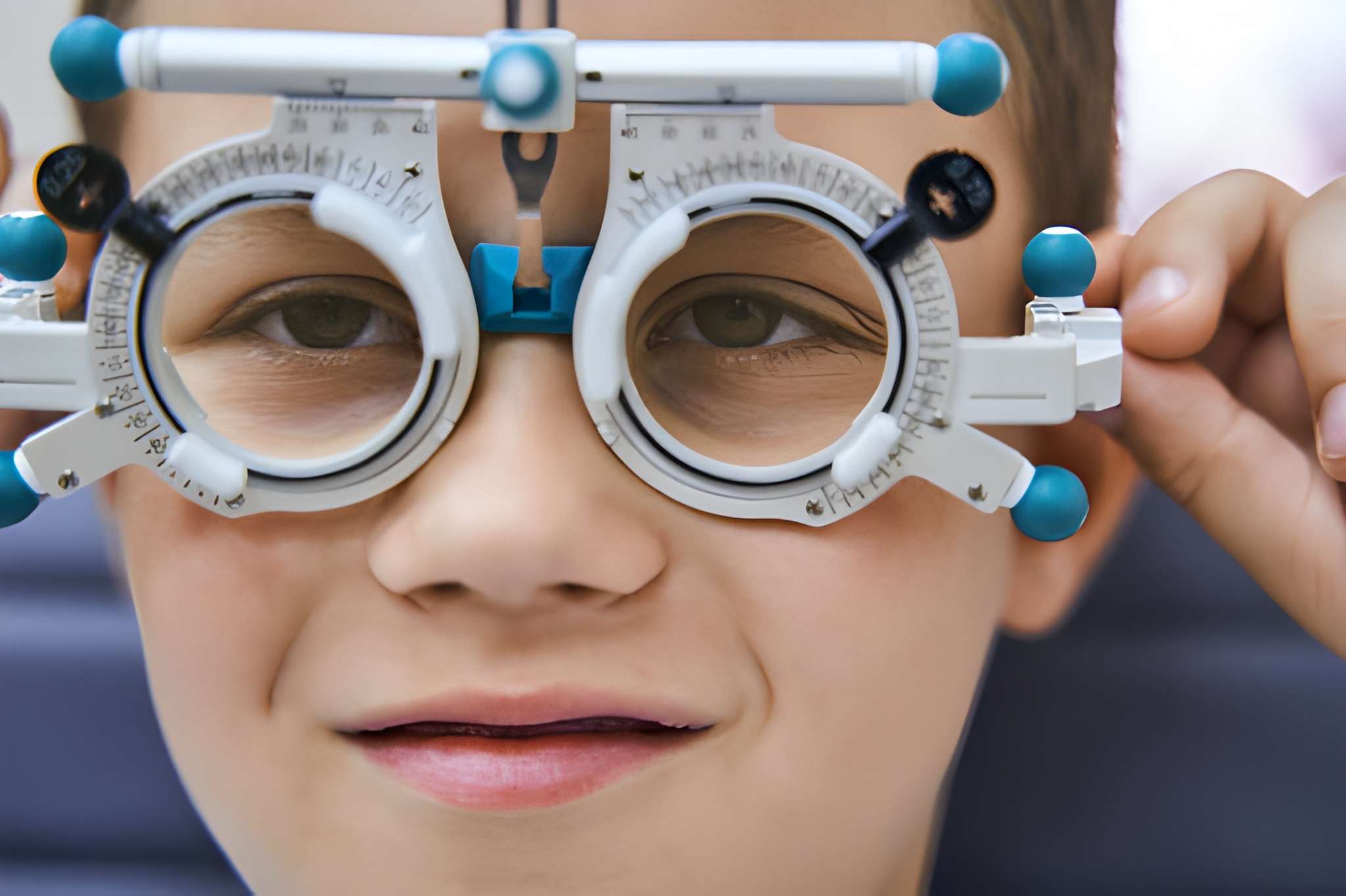
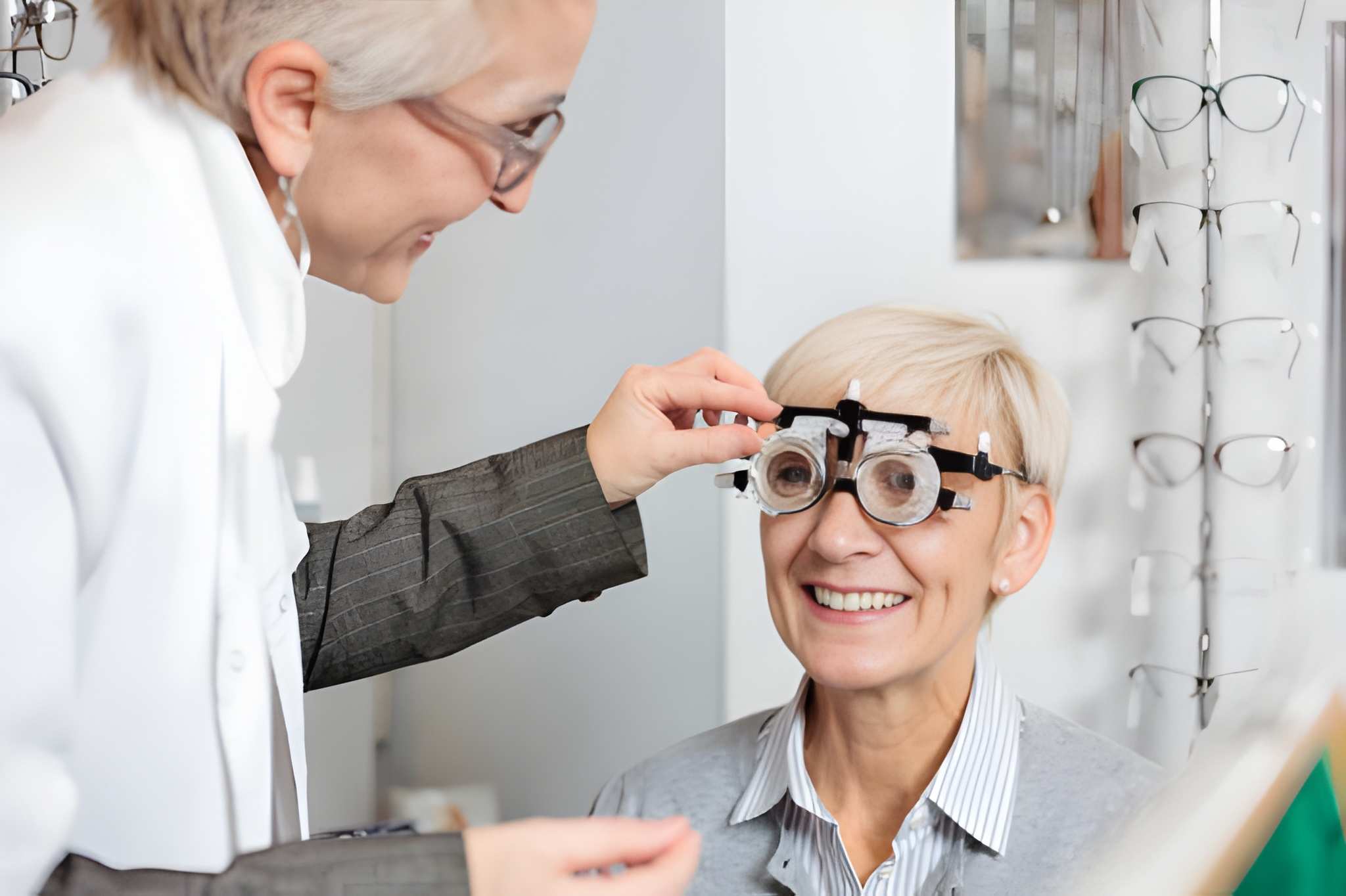
An eye specialist usually diagnoses eye twitching through:
A detailed eye examination
Medical and lifestyle history
Neurological assessment if symptoms persist
Imaging scans are rarely required unless other symptoms are present.
How to Reduce Muscle Twitching (Step-by-Step)
How to Stop Muscle Twitching Immediately
Rest your eyes and close them for a few minutes
Reduce caffeine intake
Drink water to stay hydrated
Apply a warm compress to relax muscles
Practice slow breathing to lower stress
These steps help people searching how to stop muscle twitching immediately or how to reduce muscle twitching safely.
Treatment Options for Persistent Twitching
Most eye twitching resolves without treatment. If it continues:
Lubricating eye drops may reduce irritation
Stress management can help control symptoms
Botulinum toxin injections may be used in severe cases
Surgery is rarely required
When Should You See a Doctor?
Seek professional advice if:
Twitching lasts longer than one week
Both eyes are affected
Twitching spreads to the cheek or face
Vision changes occur
Persistent symptoms should always be checked.
Book an Eye Consultation with Dr. Qasim Qasem
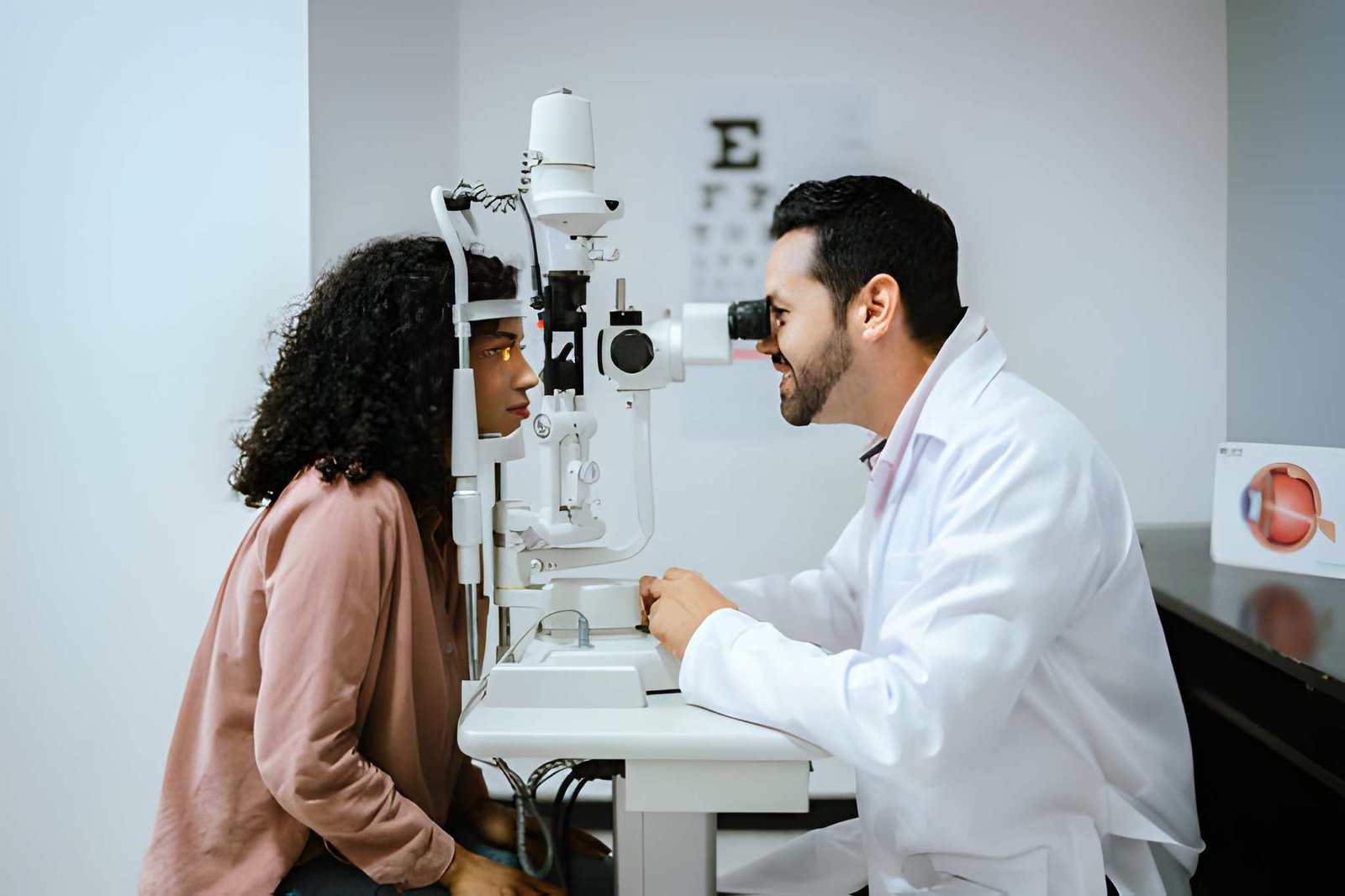
If your eye twitching is persistent, worsening, or affecting your daily comfort, a professional eye examination can help identify the cause. Dr Qasim Qasem offers comprehensive eye assessments using advanced diagnostic tools to evaluate eyelid twitching, eye strain, and related conditions. Early evaluation ensures reassurance, accurate diagnosis, and the right treatment plan. Book an appointment today to protect your eye health and gain peace of mind with expert care.
FAQs (People Also Ask)
Why do my eyes keep twitching?
Fatigue, stress, caffeine, or eye strain are the most common causes.
Why does my eyes keep twitching every day?
Daily twitching is often linked to poor sleep, dehydration, or ongoing stress.
Why does my under eye keep twitching?
Lower eyelid twitching is usually caused by muscle fatigue or dryness.
How to stop cheek twitching?
Reduce stress, stay hydrated, and seek medical advice if it spreads.
How to stop muscle twitching immediately?
Rest, hydration, caffeine reduction, and relaxation techniques can help.
Author
Reviewed by Dr Qasim Qasem, Ophthalmology Specialist
Last Updated
Last updated: 30 January 2026