If you are searching for the best eye doctor in Dubai, it is important to know what factors truly matter. Whether you need a routine eye exam, vision correction, or treatment for a specific eye condition, choosing the right specialist can significantly affect your vision and long-term eye health.
Rather than relying on promotional claims, focusing on qualifications, experience, and patient-centered care will help you make a more informed decision.
What Is an Eye Doctor Called?
The term “eye doctor” is commonly used, but it can refer to different types of eye care professionals:
Ophthalmologists
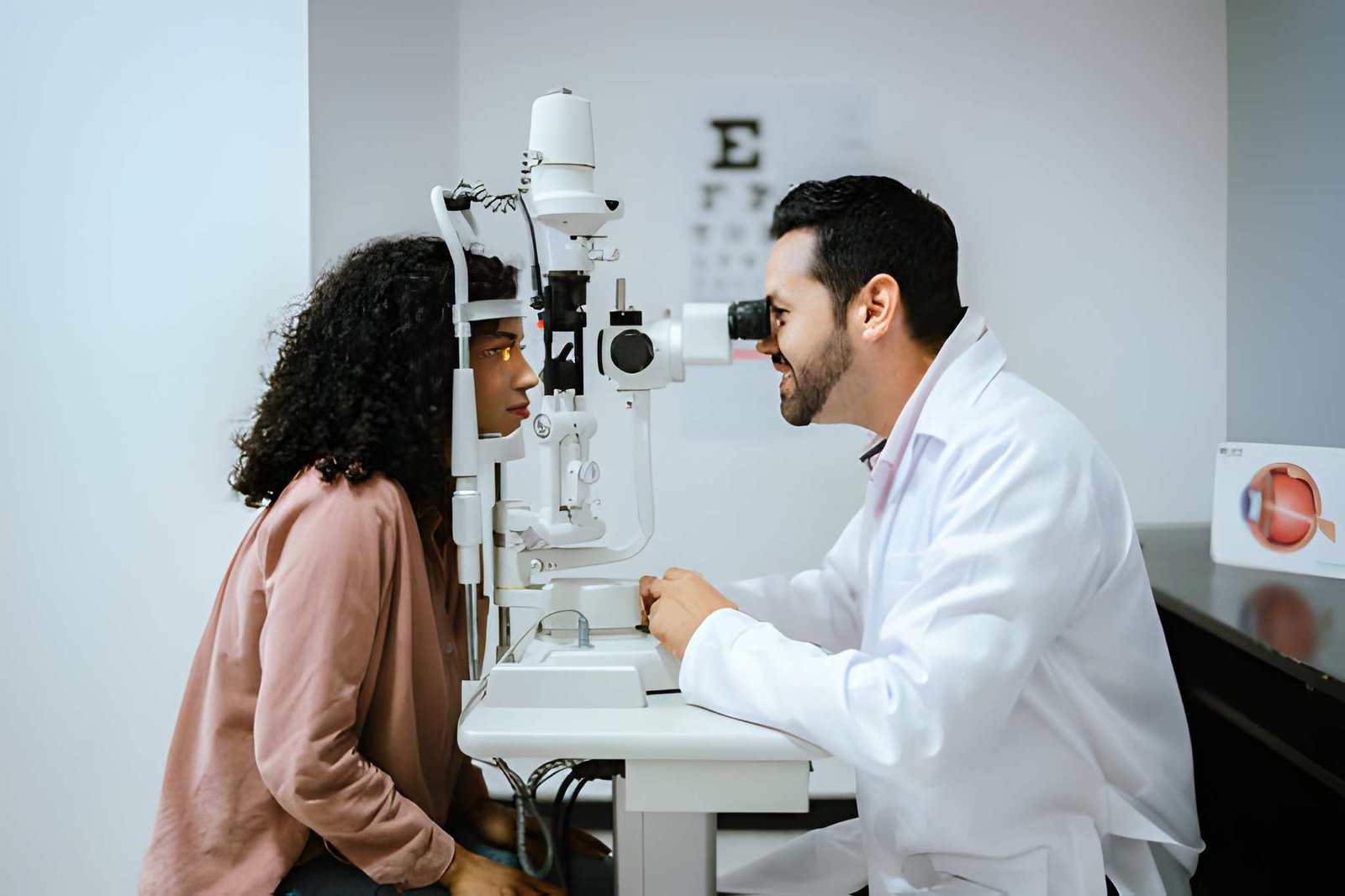
Medical doctors who specialize in eye health. They diagnose and treat eye diseases and perform surgical procedures.Optometrists
Eye care professionals who conduct eye exams, prescribe glasses or contact lenses, and manage certain eye conditions. They do not perform surgery.Opticians
Trained technicians who fit and dispense eyeglasses and contact lenses based on prescriptions from ophthalmologists or optometrists.
Knowing the difference helps ensure you see the right professional for your needs.
When Should You Visit an Eye Doctor?
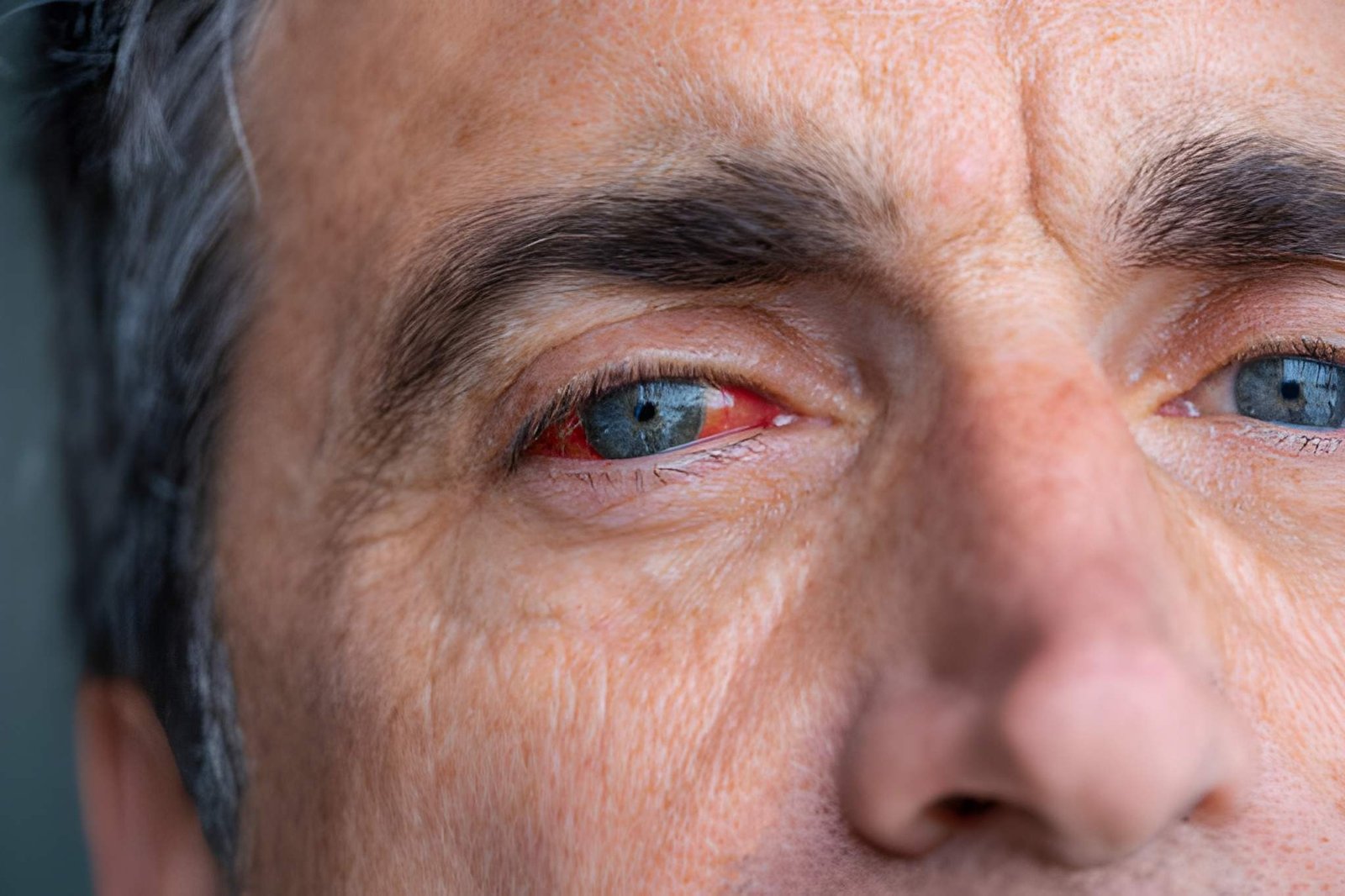
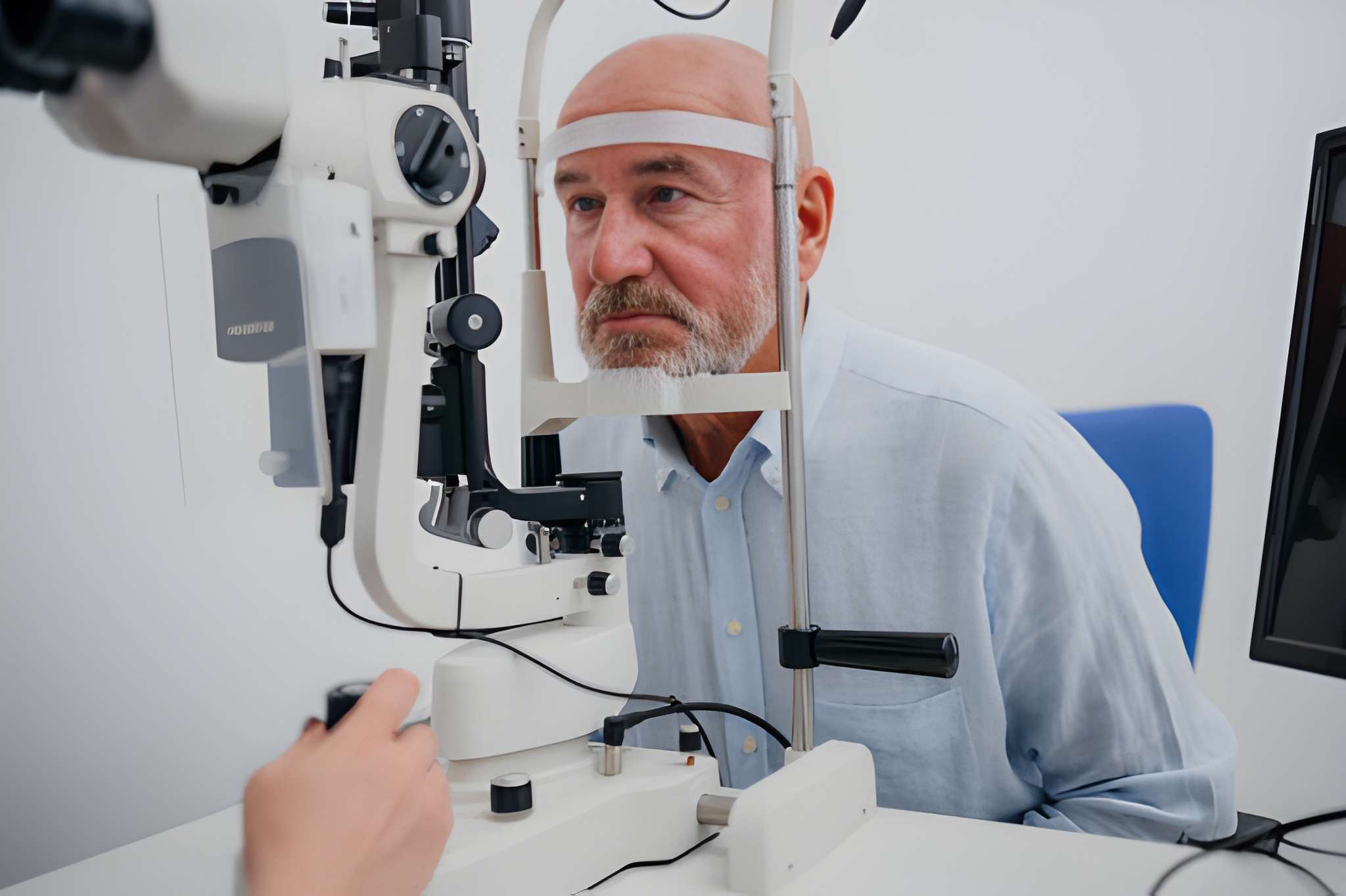
Routine eye exams are important, even if you are not experiencing obvious symptoms. You should consider visiting an eye doctor if you notice:
Blurred or changing vision
Eye strain or discomfort
Sudden vision loss or disturbances
Chronic dry eyes or excessive tearing
Frequent headaches related to eyesight
A family history of eye disease
Early diagnosis often leads to better treatment outcomes.
Key Factors to Consider When Choosing the Best Eye Doctor in Dubai
Experience and Credentials
Choose an eye doctor who is properly licensed and has relevant training and experience in diagnosing and treating eye conditions.
Range of Services
A well-equipped eye clinic should offer comprehensive care, including routine exams, pediatric eye care, and advanced diagnostic or surgical treatments when needed.
Patient Reviews
Reading verified patient reviews can provide insight into the doctor’s professionalism, communication style, and quality of care.
Technology and Equipment
Modern diagnostic tools and advanced treatment technologies help ensure accurate evaluations and effective care.
Location and Convenience
A conveniently located clinic with flexible appointment options can make follow-up visits and ongoing care easier.
How to Choose the Best Eye Doctor: Step by Step
Check Insurance Coverage
Confirm whether your health insurance plan covers consultations, tests, or procedures.Ask for Recommendations
Friends, family members, or coworkers may offer useful recommendations based on personal experience.Schedule a Consultation
An initial visit allows you to assess communication, professionalism, and comfort level.Evaluate the Clinic
A clean, modern, and organized facility often reflects high standards of care.Speak Directly With the Specialist
A good eye doctor will clearly explain your condition and recommend a care plan suited to your needs.
What to Bring to Your Appointment
Valid photo identification
Insurance information
Previous eye exam records or prescriptions
A list of current medications
Any questions or concerns you want to discuss
Common Eye Procedures and Treatments
LASIK Vision Correction
A laser-based procedure that corrects nearsightedness, farsightedness, and astigmatism, helping reduce dependence on glasses or contact lenses.
Cataract Surgery
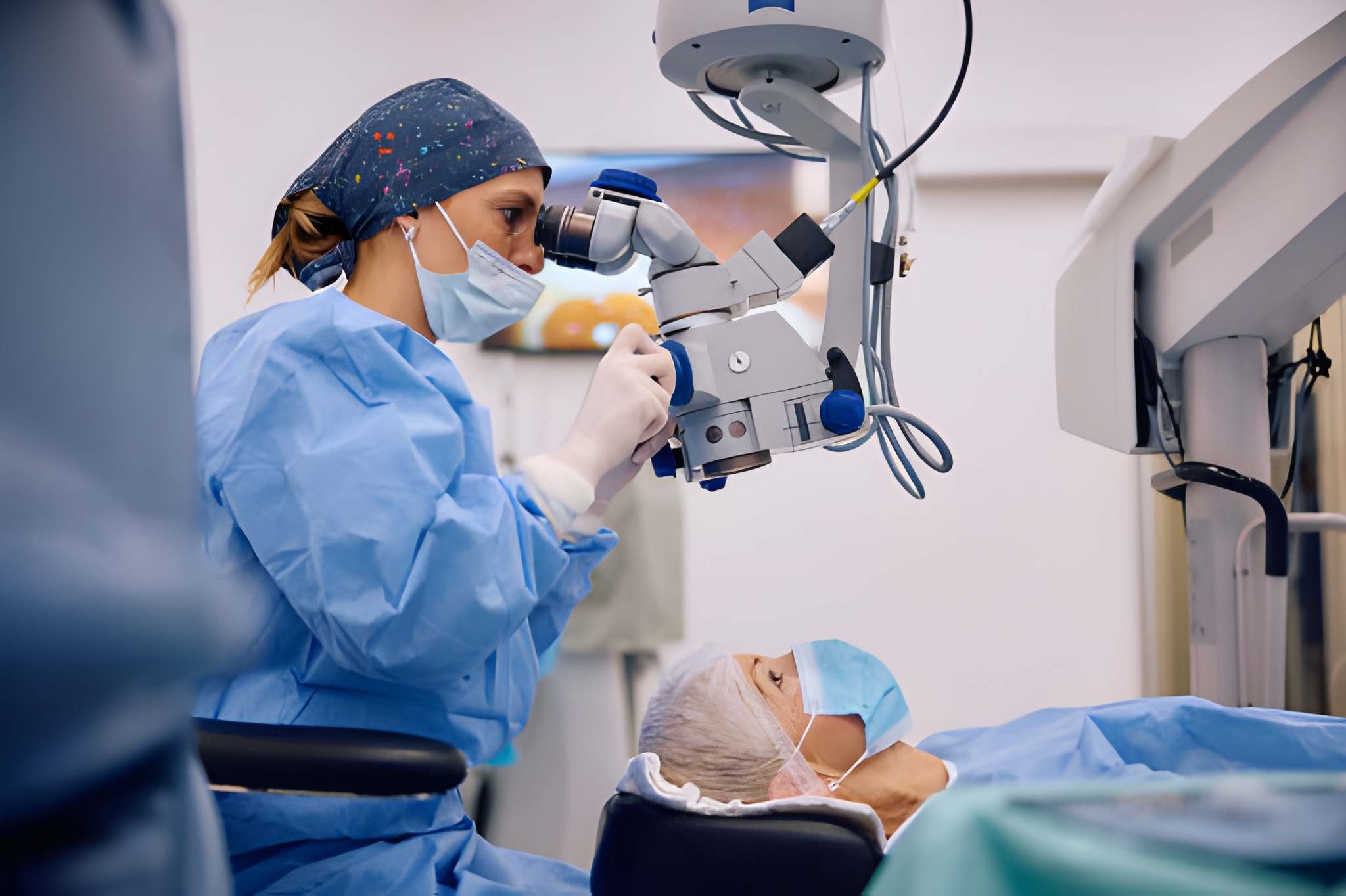
A common and effective procedure that replaces the cloudy natural lens with a clear artificial lens to restore vision.
Keratoconus Treatment
Treatment options may include corneal cross-linking, specialty contact lenses, or other stabilization methods depending on severity.
Glaucoma Treatment
Management may involve prescription eye drops, laser therapy, or surgical procedures to control eye pressure and protect vision.
Other Eye Conditions
Eye doctors also treat dry eye syndrome, diabetic eye disease, macular degeneration, retinal disorders, and pediatric vision conditions.
Why Patients Look for High-Quality Eye Care
Use of advanced diagnostic and treatment technology
Personalized treatment plans
Clear communication and realistic expectations
Focus on long-term eye health and prevention
Schedule Your Eye Consultation
Putting off eye care can lead to avoidable complications. Whether you need a routine exam or evaluation for a specific concern, scheduling an appointment with a qualified eye doctor is an important step toward protecting your vision.
Book Your Eye Consultation Today with Dr. Qasim Qasem
Don’t wait to take care of your eye health. Dr. Qasim Qasem is ready to provide you with expert eye care in Dubai. Whether it’s a routine check-up or specialized treatment, book your consultation now and take the first step toward better vision for life.
Frequently Asked Question
How often should I see an eye doctor?
Most adults should have an eye exam every one to two years. Children and older adults may need more frequent visits depending on risk factors.
Can vision problems be corrected without surgery?
Yes. Many vision issues can be managed with glasses, contact lenses, or non-surgical treatment options.
Is LASIK safe?
LASIK is widely considered safe and effective for suitable candidates following a comprehensive eye evaluation.
When should children have their first eye exam?
Children should typically have a comprehensive eye exam by age three, or earlier if vision concerns are present.
What are common signs of cataracts?
Symptoms may include cloudy or blurry vision, difficulty seeing at night, sensitivity to light, and seeing halos around lights.