Retinal health is crucial to maintaining clear vision. In Dubai, experienced retina specialists offer state-of-the-art care, treating common retinal diseases and using advanced techniques to preserve sight.
Retinal diseases can impact your vision significantly, but choosing the Best Retina Eye Specialist in Dubai is key. With Dubai’s advanced medical infrastructure, you have access to world-class specialists offering cutting-edge treatments. Whether you’re dealing with macular degeneration or retinal detachment, expert care from the Best Retina Eye Specialist in Dubai ensures the best possible outcome.
What Are Common Retinal Diseases?
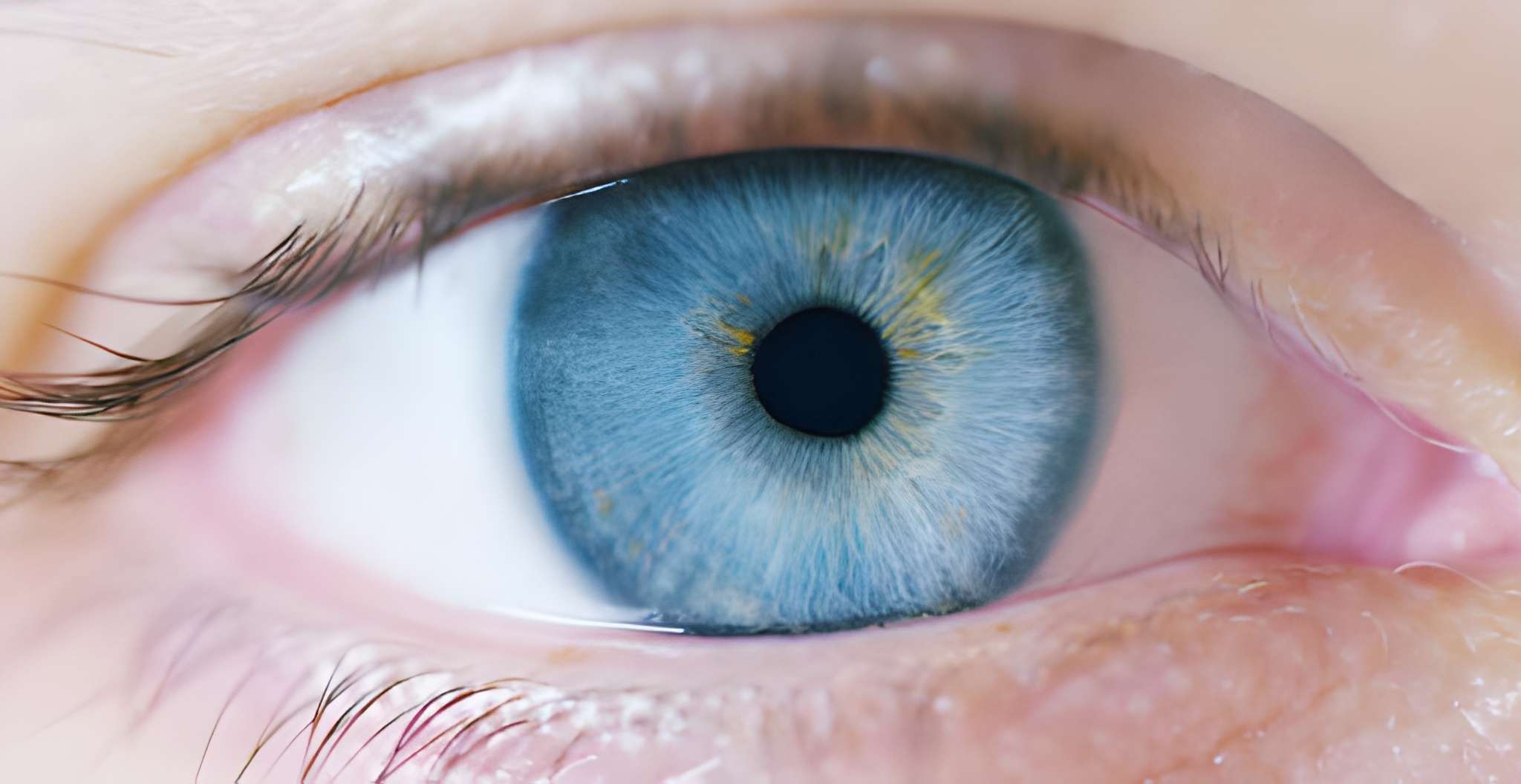
The retina is a light-sensitive layer at the back of your eye. Its health is essential for clear vision. Some common retinal diseases include:
Diabetic Retinopathy: Damage to retinal blood vessels due to high blood sugar.
Retinal Vein Occlusion: Blockage of veins leading to fluid leakage.
Macular Degeneration: Gradual loss of central vision, common in people over 50.
Retinal Tear: Small tear caused by vitreous pulling away from the retina.
Retinal Detachment: A medical emergency where the retina separates from its support tissue.
Macular Hole: A break in the macula that affects sharp vision.
How Retinal Diseases Are Treated
Treatment varies based on the condition. Common options include:
Laser Therapy
Used for: Sealing retinal tears and treating diabetic retinopathy.
Outcome: Prevents further progression of the disease.
Intravitreal Injections
Used for: Conditions like macular degeneration and diabetic retinopathy.
Outcome: Reduces abnormal blood vessel growth in the retina.
Vitrectomy Surgery
Used for: Treating retinal detachment, macular hole, or severe eye infections.
Outcome: Removes the vitreous gel to allow proper retinal attachment.
Retinal Detachment Surgery
Used for: Reattaching the retina using techniques like scleral buckle.
Outcome: Prevents vision loss and restores the retina’s proper positioning.
Key Benefits of Choosing Retina Specialists in Dubai
Expert Diagnosis: Accurate detection with high-resolution imaging.
Customized Treatment Plans: Tailored to your specific retinal condition.
Advanced Technology: State-of-the-art tools and treatments for better outcomes.
Multidisciplinary Care: Collaboration with other eye specialists ensures comprehensive treatment.
Patient Support: Emotional and educational support for better decision-making.
Step-by-Step Process for Retina Treatment
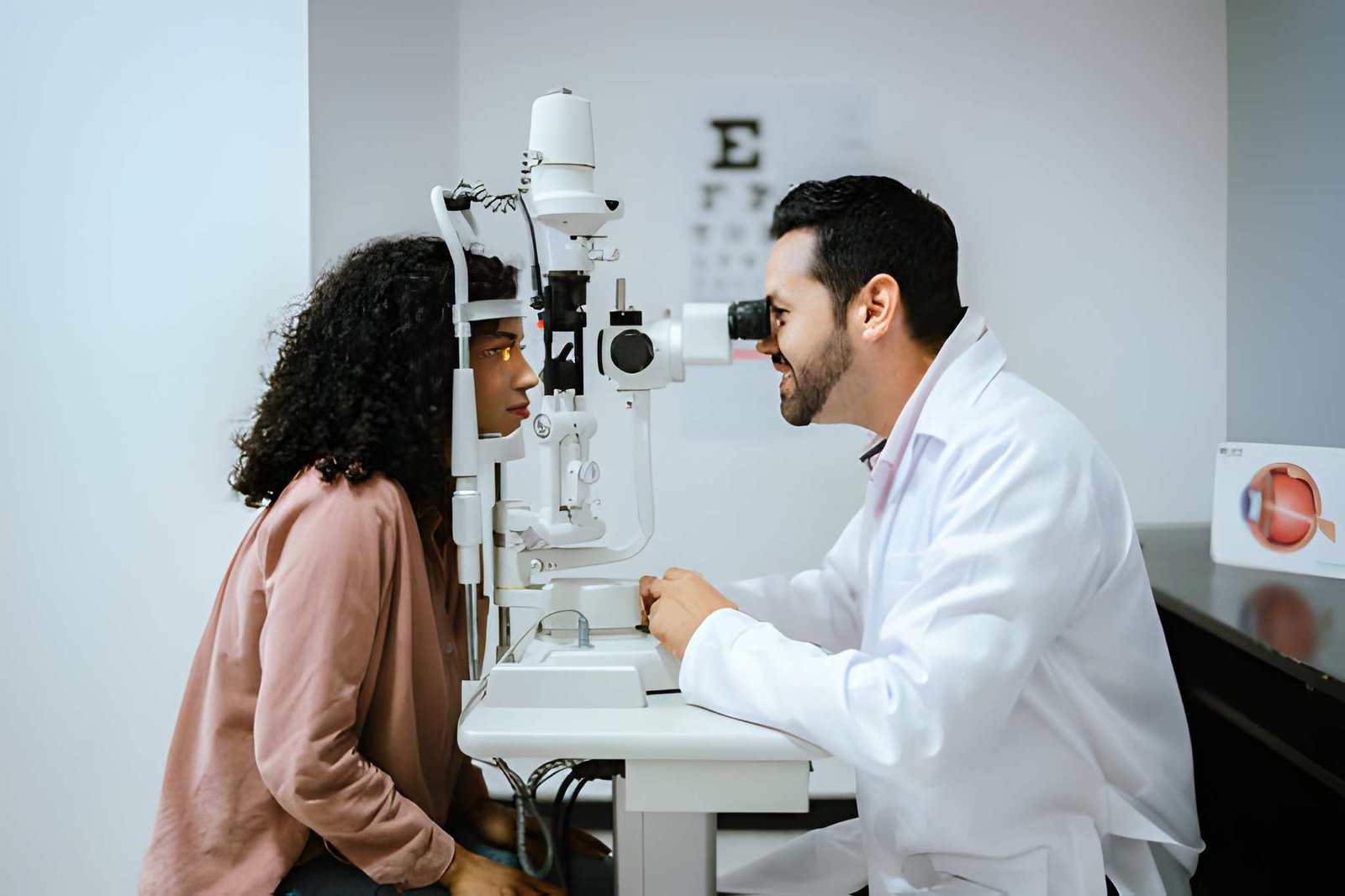
Initial Consultation
Discuss your symptoms and medical history with the retina specialist.Diagnostic Testing
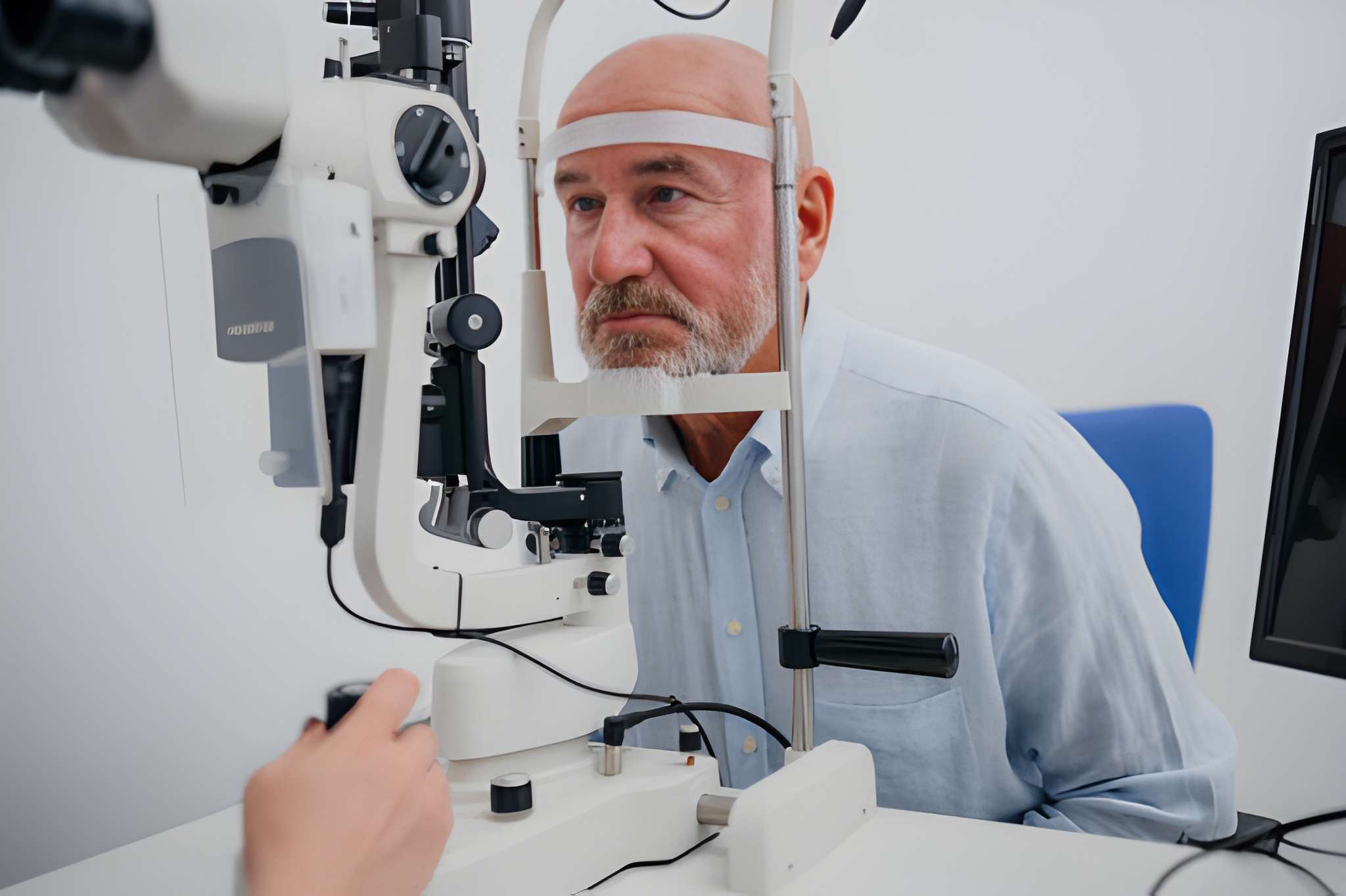
High-resolution imaging, such as OCT (Optical Coherence Tomography), is used to identify the issue.Customized Treatment Plan
Based on the diagnosis, the specialist will recommend the best course of action, whether it’s laser therapy, injections, or surgery.Follow-Up Appointments
Regular check-ups ensure the treatment is progressing as expected and provide ongoing support.
Schedule Your Consultation Today
Dr. Qasim Qasem offers expert care, leveraging the latest technologies and treatment methods. Don’t wait — early intervention can significantly improve your vision and quality of life.
Book your appointment now with Dr. Qasim Qasem and take the first step toward preserving your sight.
Frequently Asked Question
1. What is the recovery time after vitrectomy surgery?
Recovery usually takes a few weeks to a couple of months, depending on the surgery’s complexity. The specialist will provide specific instructions for optimal healing.
2. Are intravitreal injections painful?
Most patients experience minimal discomfort due to numbing drops used before the procedure. It’s a quick and routine in-office treatment.
3. Can retinal conditions be prevented?
While some retinal conditions can’t be fully prevented, regular eye exams and managing underlying conditions, such as diabetes, can significantly reduce risks.
4. Is laser treatment permanent?
Laser therapy can stabilize retinal conditions, but some patients may need follow-up sessions depending on the disease’s progression.
5. When should I see a retina specialist?
Seek immediate consultation if you experience sudden vision changes, floaters, flashes of light, or a shadow in your vision.
Last Updated: 23 January 2026