Understanding the Retina and Its Importance
The retina is a thin layer of tissue located at the back of your eye that captures light and sends visual signals to your brain. It acts much like a camera sensor, converting images into electrical signals that allow you to see clearly. Because it plays such a vital role in vision, retinal health is essential for maintaining good eyesight throughout your life.
What Exactly Is a Retinal Disease?
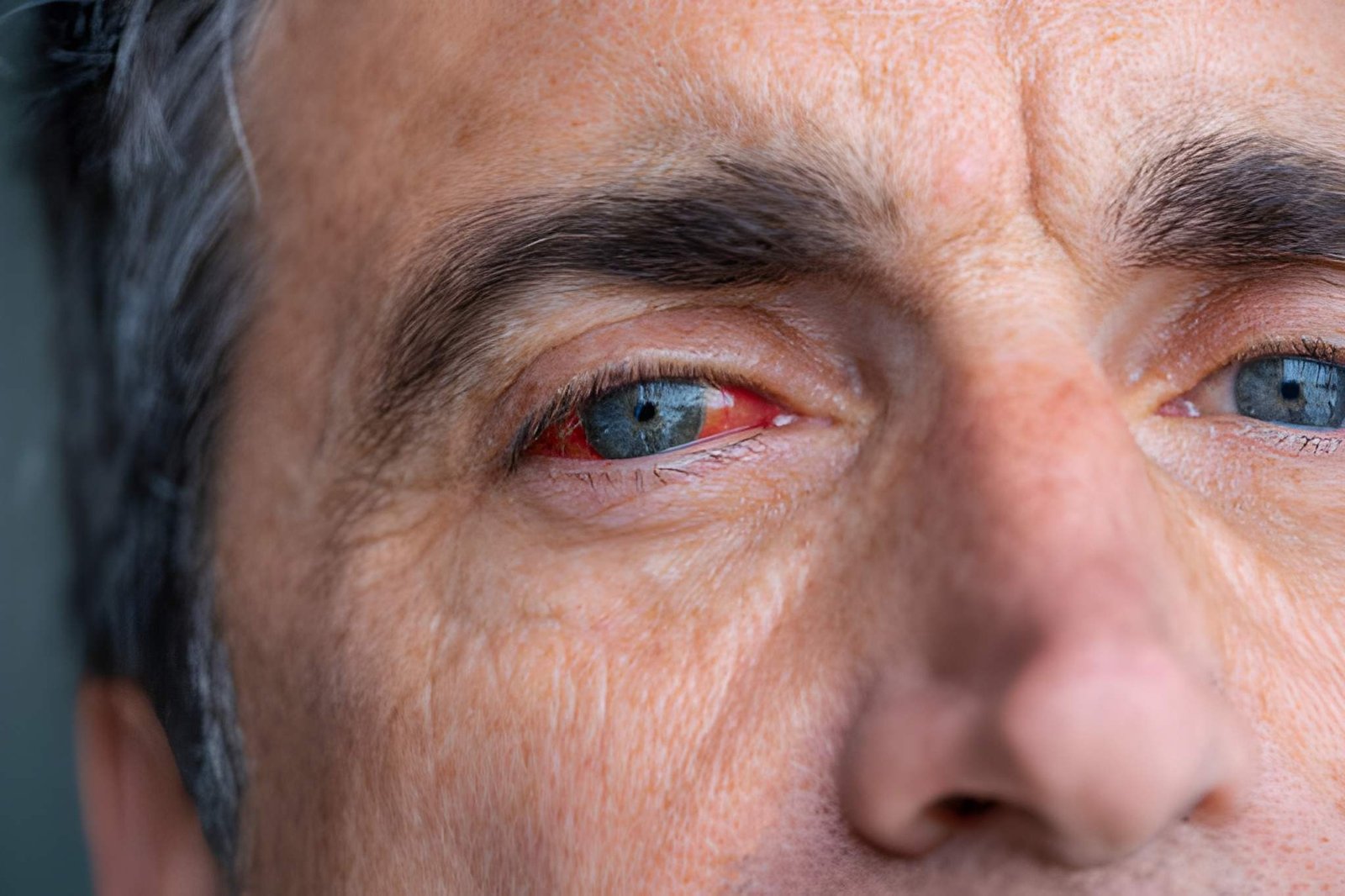
Retinal diseases refer to a group of conditions that affect the retina’s function and structure. These disorders can lead to partial or complete loss of vision if left undiagnosed or untreated. Common types include age-related macular degeneration, diabetic retinopathy, retinal detachment, and retinitis pigmentosa.
Early Warning Signs of Retinal Problems You Shouldn’t Ignore
Recognizing symptoms early can prevent permanent vision loss. Here are key warning signs to watch for:
- Blurry or distorted vision: Straight lines appear wavy or objects look fuzzy.
- Sudden flashes of light: This could indicate a retinal tear or detachment.
- New floaters: Spots or cobweb-like shadows moving in your vision may be a sign of internal eye changes.
- Dark spots or missing areas: Blind spots that affect central or peripheral vision should be addressed promptly.
- Sudden loss of vision: This is an emergency and needs immediate medical attention.
When to See a Doctor
If you experience any sudden changes in your vision—such as flashes, floaters, or dark curtains appearing across your sight—see an eye specialist right away. Early intervention can often prevent long-term damage or restore vision.
Who’s Most at Risk of Retinal Diseases
Some people have a higher risk of developing retinal disorders due to lifestyle or genetic factors:
- Adults over 50 years old
- Individuals with diabetes or high blood pressure
- Those with a family history of retinal conditions
- Smokers or those exposed to chronic UV light
- People with high cholesterol or obesity
Common Causes and Risk Factors
Retinal issues often develop due to poor circulation, accumulated damage over time, or underlying diseases. Inadequate nutrient intake, chronic inflammation, and unprotected sun exposure can further increase your risk. Keeping your body and eyes healthy is key to prevention.
Treatment and Prevention
The treatment for retinal diseases depends on the specific condition and severity. Common medical approaches include laser therapy, injectable medications, or surgery in more advanced cases. However, prevention remains the most effective way to safeguard your vision.
6 Habits for a Healthy Retina
Implementing simple lifestyle changes can significantly reduce the risk of retinal problems and promote lifelong eye health.
1. Schedule Regular Dilated Eye Exams
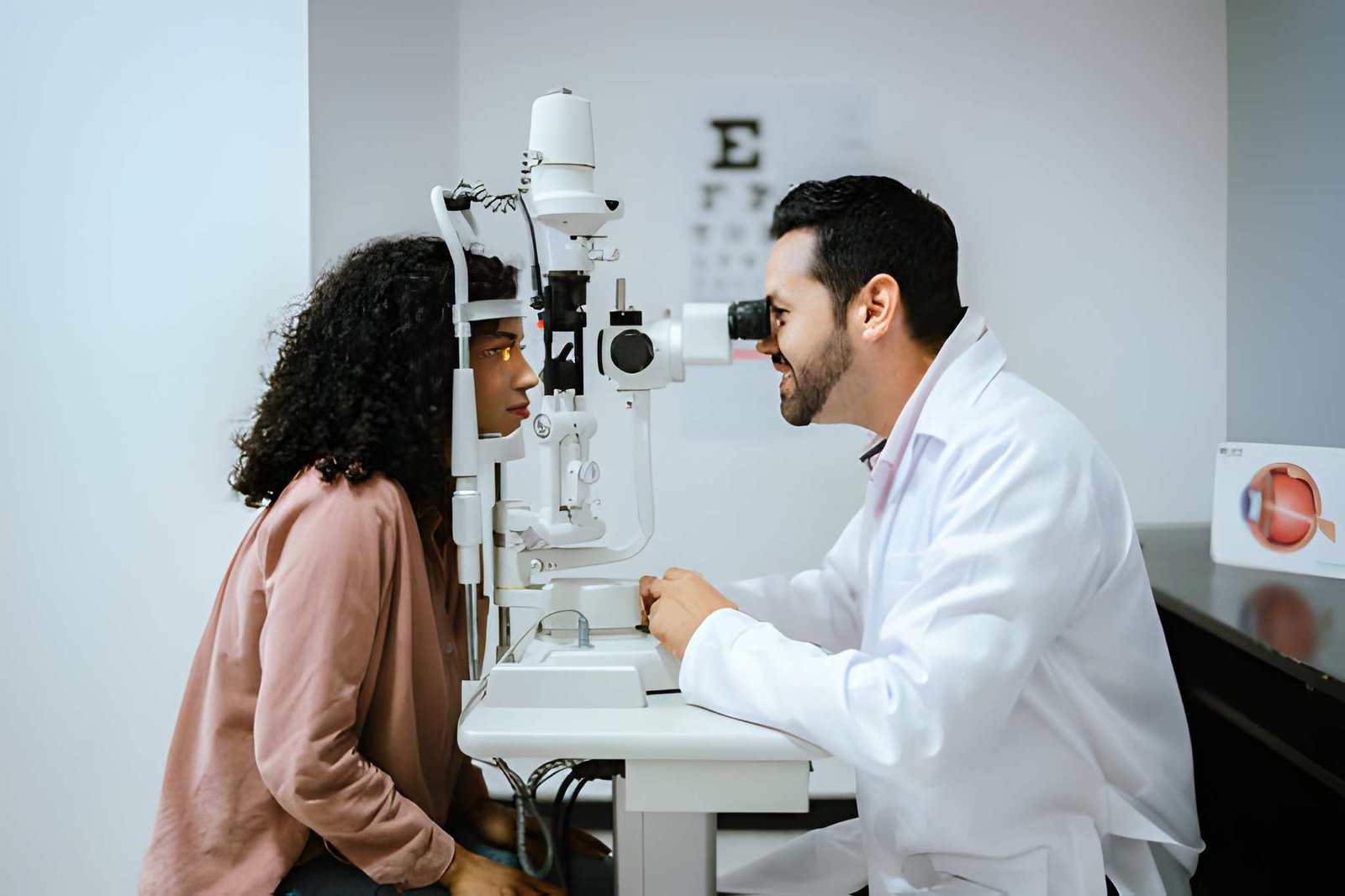
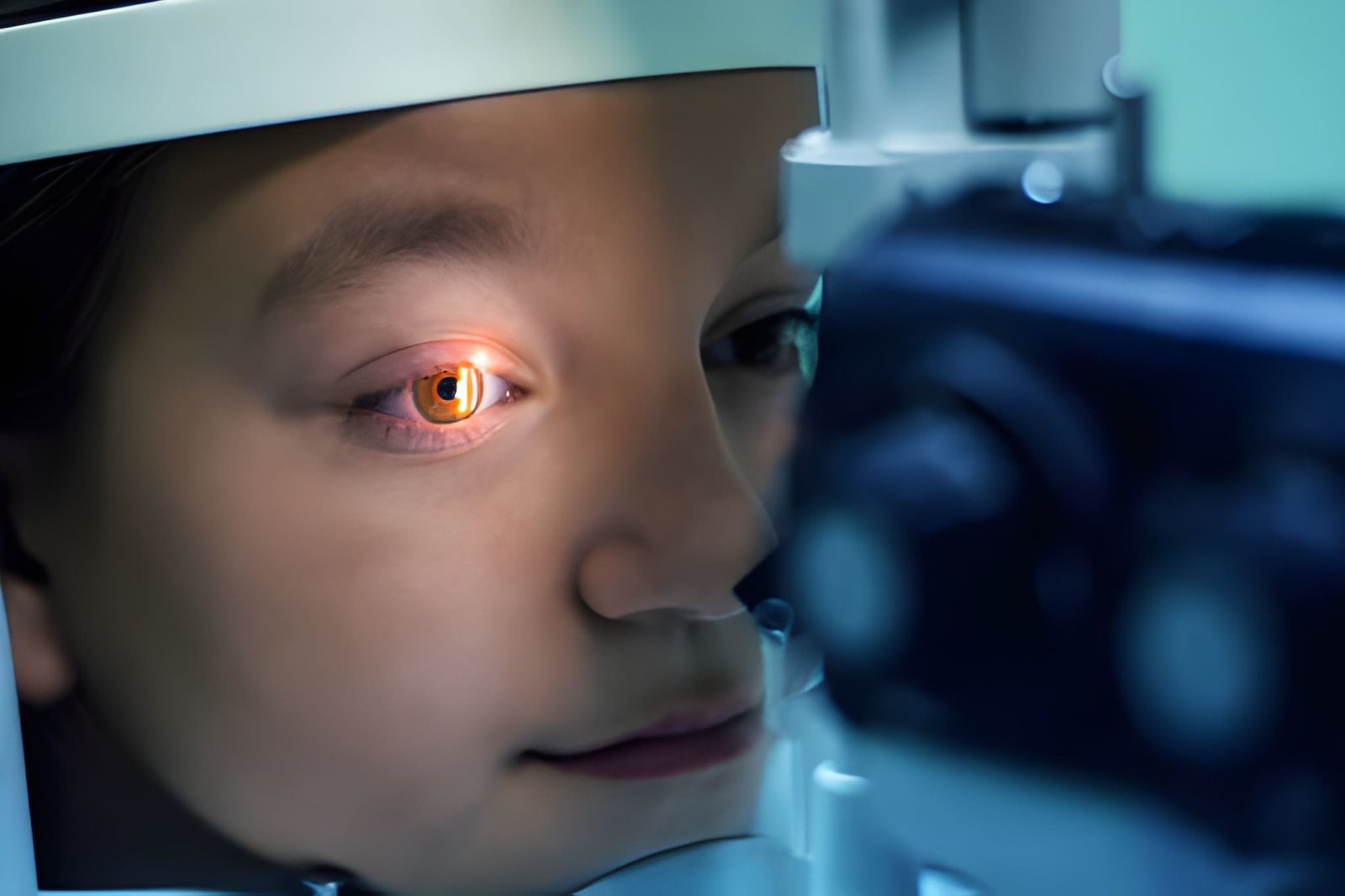
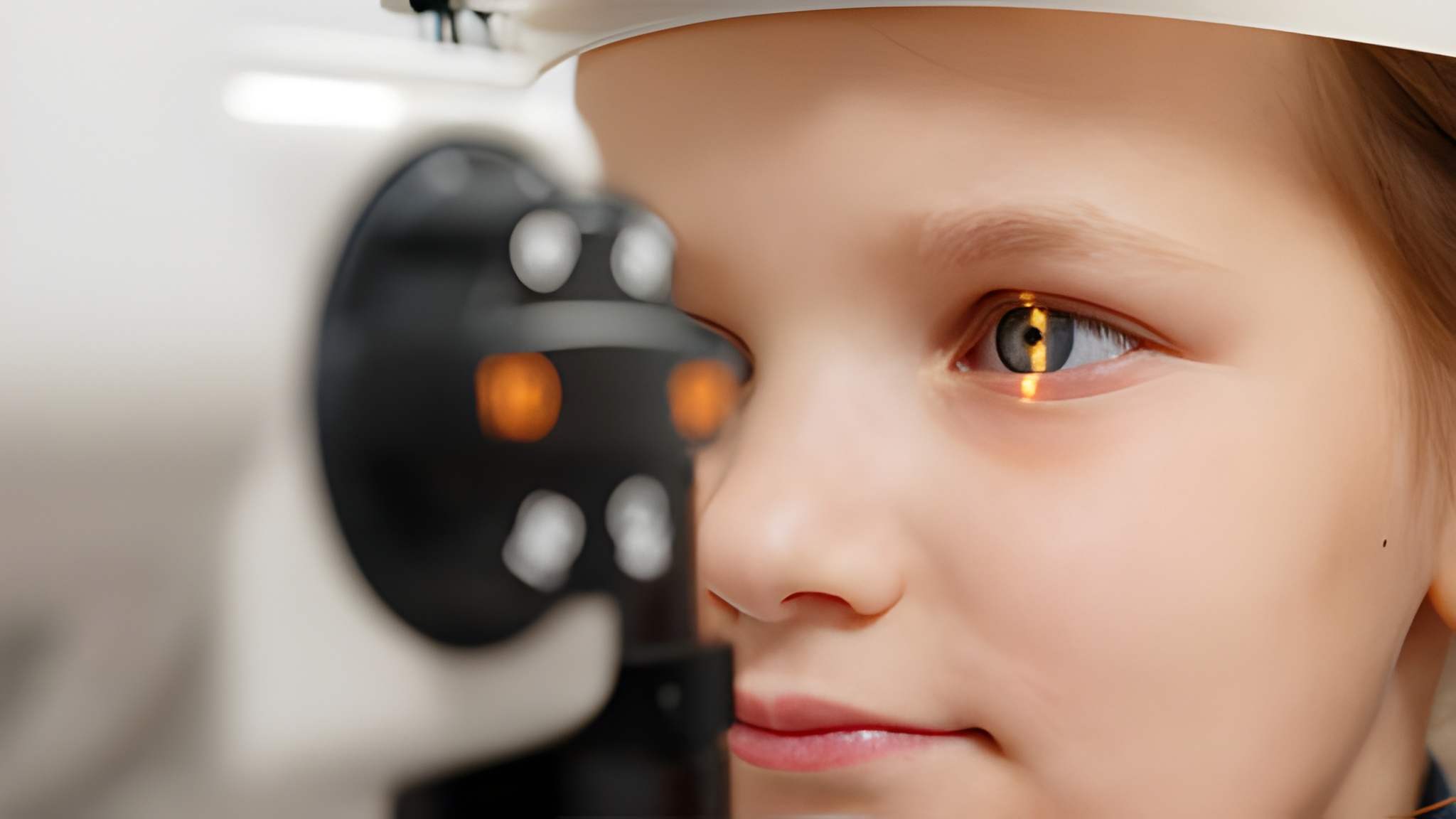
A yearly comprehensive eye exam allows early detection of hidden issues before vision is affected. Dilation helps the doctor see detailed images of the retina and catch early signs of disease.
2. Eat Eye-Healthy Foods
Include foods rich in vitamins A, C, and E, along with zinc, lutein, and omega-3 fatty acids. Leafy greens, citrus fruits, nuts, and fish support retinal cells and help maintain clear vision.
3. Quit Smoking
Smoking reduces blood flow to the eyes and accelerates degeneration. Quitting improves circulation and can lower your risk of developing severe retinal diseases.
4. Control Blood Sugar, Pressure, and Cholesterol
Managing chronic conditions like diabetes and hypertension protects small blood vessels in the retina from damage. Follow a balanced diet and regular exercise routine for optimal control.
5. Know Your Family History
Genetics play a major role in retinal conditions. Understanding your family’s eye health helps you and your doctor plan preventive screenings more effectively.
6. Protect Your Eyes from UV Rays
Wear sunglasses that block 100% of UVA and UVB rays whenever you’re outdoors. This helps prevent photochemical damage to delicate retinal tissues.
A Glimpse Into the Future of Retina Care
Advances in retinal imaging, gene therapy, and regenerative medicine are transforming how we detect and treat eye conditions. Non-invasive diagnostic tools now allow earlier identification of diseases, while new treatments aim to restore or preserve vision more effectively than ever.
When and How to Seek Professional Help
Don’t wait until problems worsen—consult an eye specialist if you notice any unusual vision symptoms. Early diagnosis offers the best chance of protecting your sight and minimizing long-term damage.
FAQs
1. What is the most common cause of retinal disease?
Common causes include aging, diabetes, high blood pressure, and prolonged UV exposure. Genetic factors also contribute to some conditions.
2. Can retinal problems be reversed?
Some conditions can be managed or partially reversed if detected early. Prompt treatment and regular monitoring are essential for preserving vision.
3. How often should I get my eyes checked?
Adults should have a dilated eye exam at least once every one to two years. People with chronic conditions may need more frequent checkups.
4. Do retinal diseases only affect older adults?
While age increases risk, retinal issues can occur at any age due to injury, diabetes, or genetic disorders.
5. Can lifestyle changes really protect my retina?
Yes. Eating nutrient-rich foods, wearing UV protection, managing chronic conditions, and quitting smoking can greatly reduce your risk of retinal problems.
Takeaway: Protecting your retina starts with awareness and daily healthy choices. Schedule regular eye exams, follow a balanced diet, and seek prompt care for any vision changes to ensure long-term visual wellness.