The best eye doctors in Dubai provide complete eye care, from routine vision screening to advanced eye surgery. Ophthalmologists diagnose, treat, and manage eye conditions using modern technology. Regular eye exams help protect vision and prevent serious eye disease.
Your eyesight plays a vital role in daily life. Eye problems can affect work, learning, and overall wellbeing. In Dubai, access to advanced eye care allows early diagnosis and effective treatment. Understanding how eye specialists support your vision helps you make informed healthcare choices.
What Is Ophthalmology?
Ophthalmology is the medical specialty focused on eye health and vision care. Ophthalmologists are medical doctors trained to diagnose eye diseases, prescribe treatment, and perform eye surgery.
Eye Doctor vs Optometrist vs Ophthalmologist
Understanding the difference helps you choose the right professional:
Optometrists diagnose vision problems and prescribe glasses or contact lenses
Ophthalmologists treat eye diseases and perform surgery
Opticians fit and dispense eyewear based on prescriptions
Common Eye Conditions Treated in Dubai
Eye specialists in Dubai manage a wide range of conditions:
Dry eyes and allergies
Cataracts and glaucoma
Diabetic eye disease
Macular degeneration
Retinal disorders
Pediatric eye conditions
How Eye Doctors Diagnose Vision Problems
Diagnosis often includes:
Vision and eye pressure tests
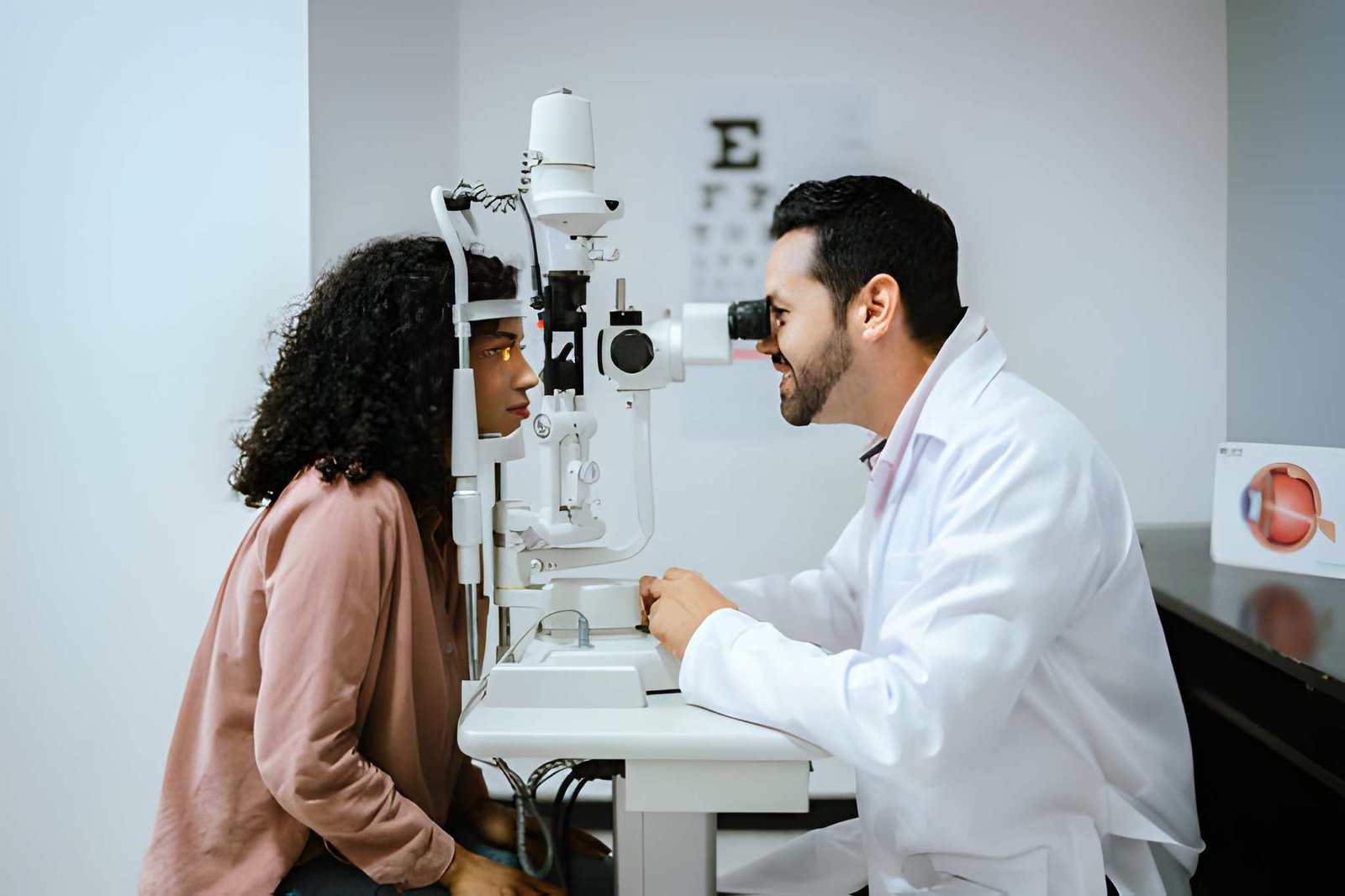
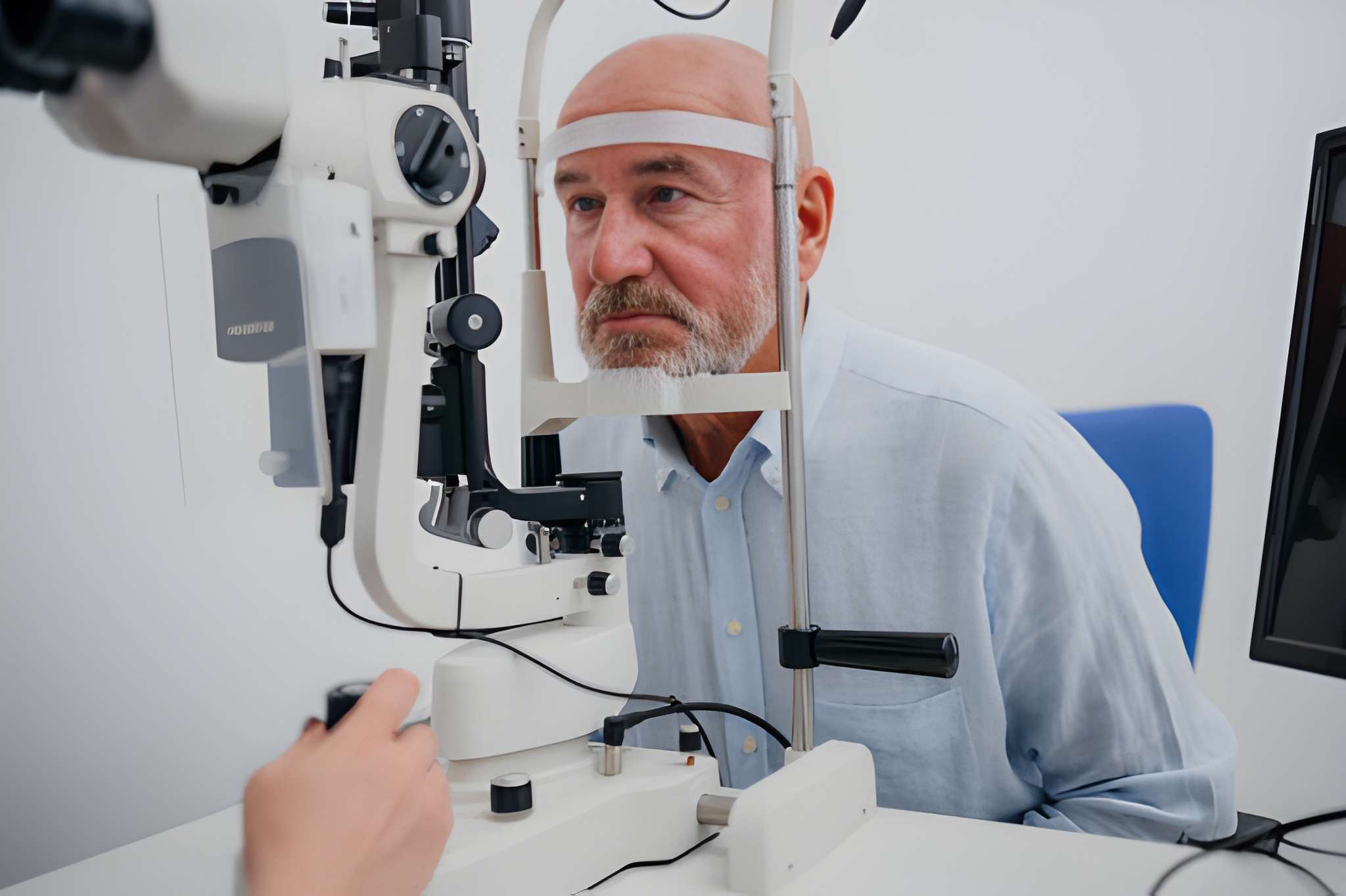
Slit-lamp examination
Retinal imaging and OCT scans
Detailed patient history
These tests help detect problems early.
Eye Treatments Available in Dubai
Clinics offer comprehensive treatment options:
LASIK and PRK vision correction
Cataract and glaucoma surgery
Retinal procedures
Corneal treatments
Pediatric eye care
Dry eye management
When to See an Eye Specialist (Step-by-Step)
Notice changes in vision or eye discomfort
Book an eye examination promptly
Complete recommended diagnostic tests
Follow treatment or monitoring advice
Early care helps prevent permanent vision loss.
How to Choose the Best Eye Doctor in Dubai
Consider the following factors:
Medical qualifications and board certification
Experience with specific treatments
Patient reviews and outcomes
Access to advanced diagnostic technology
The Role of Technology in Eye Care
Modern eye clinics use advanced tools such as digital retinal imaging and laser technology. These improve accuracy, safety, and recovery times.
Why Regular Eye Exams Matter
Routine eye exams detect silent conditions like glaucoma before symptoms appear. Adults should have eye exams every 1–2 years. Children and seniors may need more frequent checks.
Vision Screening for Children
Early screening helps detect vision issues that can affect learning and development. Timely treatment supports long-term visual health.
Consult With Dr. Qasim Qasem
If you are experiencing vision changes, eye discomfort, or need specialist eye care, consulting an experienced ophthalmologist is essential. Dr. Qasim Qasem provides comprehensive eye care, from detailed vision screening to advanced diagnostic evaluation and surgical management.
Early assessment helps protect long-term vision and ensures the right treatment approach for your eye health needs.
FAQs (People Also Ask)
How often should I get my eyes checked?
Most adults need an eye exam every 1–2 years unless advised otherwise.
When should I see an eye doctor urgently?
Seek care for sudden vision loss, eye pain, flashes, floaters, or redness.
Is LASIK surgery safe?
LASIK is considered safe and effective for suitable candidates.
What is the difference between screening and a full eye exam?
Screening checks basic vision, while a full exam diagnoses eye diseases.
Are online eye consultations available in Dubai?
Many clinics offer telehealth for follow-ups and minor concerns.
Consult an Eye Specialist in Dubai
For personalized eye care, consulting an experienced ophthalmologist ensures accurate diagnosis and appropriate treatment. Early intervention helps protect your vision and maintain long-term eye health.
Author
Reviewed by a clinical ophthalmology content team with experience in eye care and vision health.
Last Updated
Last updated: 20 January 2026