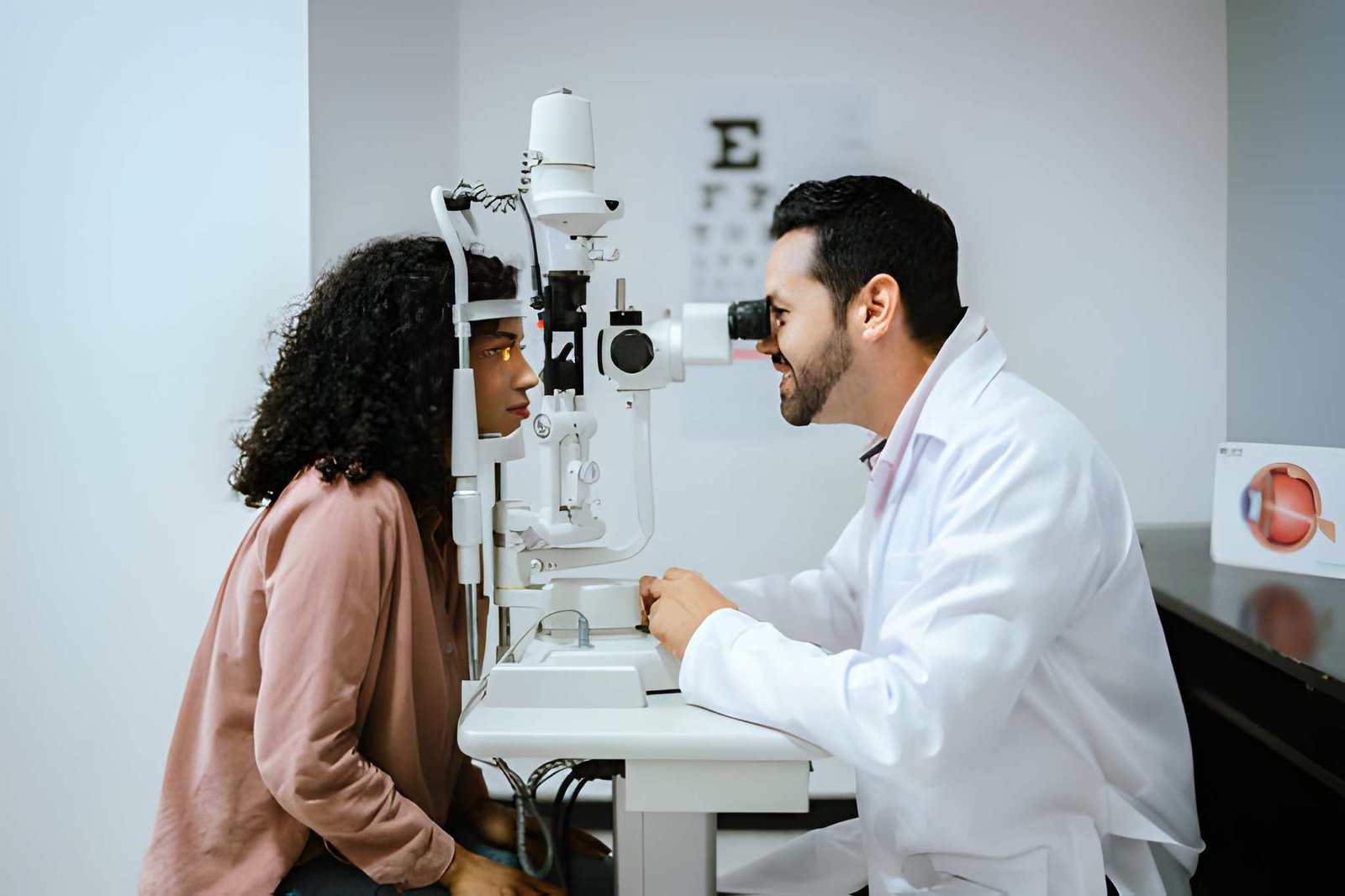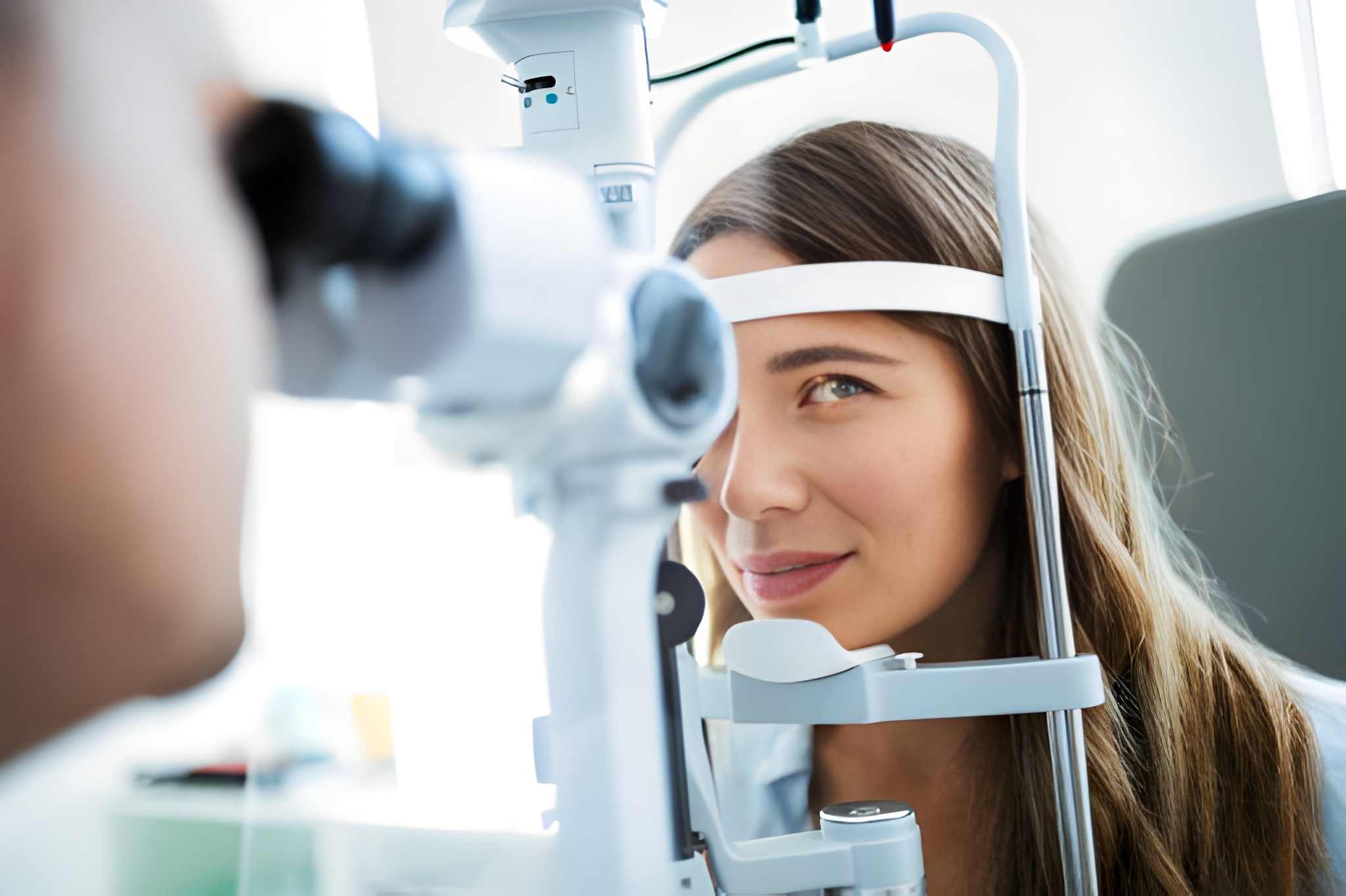
Your eyesight is one of your most important senses, and choosing the right eye doctor is essential to protecting it. Whether you’re dealing with vision problems or simply need a routine check-up, understanding how to select the best eye doctor in Dubai can significantly improve your care, your comfort, and your long-term vision health.
What Is an Eye Doctor Called?
The term eye doctor can refer to several types of eye care professionals. Understanding the difference helps you choose the right specialist for your specific needs.
Types of Eye Specialists: Who Does What?
Ophthalmologists
Medical doctors who specialize in eye and vision care. They diagnose diseases, prescribe medication, perform surgeries, and provide full-spectrum vision services.
Optometrists
Eye care professionals who conduct eye exams, diagnose vision issues, prescribe glasses and contact lenses, and detect certain eye conditions.
Opticians
Technicians who design, fit, and dispense eyeglasses and contact lenses based on prescriptions.
When Should You Visit an Eye Doctor?
You should schedule an appointment if you’re experiencing:
blurry or distorted vision
eye strain or fatigue
frequent headaches
floaters or flashes
difficulty seeing at night
Routine exams are also important, as many eye diseases begin without symptoms.
Key Factors to Consider When Choosing the Best Eye Doctor in Dubai
Expertise and Credentials
Make sure the doctor is fully licensed and trained, with experience in the type of care you need, whether it’s general eye exams, surgeries, pediatric care, or specialized treatments.
Range of Services
Choose a clinic that offers services such as:
routine eye exams
children’s eye care
contact lens fitting
advanced diagnostic testing
surgical procedures (LASIK, cataracts, etc.)
Patient Reviews
Reading verified reviews helps you understand patient satisfaction, the doctor’s communication style, and overall quality of care.
Technology and Equipment
The best eye clinics use modern imaging systems, digital diagnostics, and advanced surgical technology for safer and more accurate results.
Location and Convenience
A centrally located clinic with easy access to parking and metro stations makes follow-up appointments much easier.
Asking the Right Questions
Ask your eye doctor:
What experience do you have with my condition?
What diagnostic technology do you use?
What treatment options are available?
What results should I expect?
How often should I return for follow-ups?
How to Choose the Best Eye Doctor: Step-by-Step
1. Check Your Insurance
Look at which clinics and specialists are covered by your insurance to help manage costs.
2. Ask for Personal Recommendations
Friends, family, and general physicians can be great sources for trusted referrals.
3. Book a Consultation
A face-to-face visit helps you evaluate the clinic’s environment and the doctor’s attentiveness.
4. Inspect the Clinic
A clean, organized, and well-equipped clinic is often a sign of high-quality care.
5. Talk Directly With the Specialist
Good communication, clear explanations, and personalized attention indicate a doctor who prioritizes patient care.
What to Bring to Your Appointment
Bring the following:
your medical history
list of medications
previous glasses or contacts
insurance details
list of symptoms or concerns
This helps the doctor assess your condition more accurately.
Common Eye Procedures and Treatments
LASIK Vision Correction
A fast, minimally invasive laser procedure that corrects nearsightedness, farsightedness, and astigmatism.
Cataract Surgery
Removes the cloudy natural lens and replaces it with a clear artificial lens for improved vision.
Keratoconus Treatment
Options may include custom lenses, corneal cross-linking (CXL), or implantable rings to reshape and stabilize the cornea.
Glaucoma Treatment
Includes medicated eye drops, laser treatments, or surgery to reduce eye pressure and prevent vision loss.
Other Conditions Treated
dry eye
red eye infections
diabetic eye issues
retinal problems
children’s vision disorders
Why Choose Us
1. Advanced Eye Care
We use the latest diagnostic tools and treatment techniques to ensure the highest level of precision and safety.
2. Personalized Treatment Plans
Every patient receives a care plan tailored to their specific vision needs and lifestyle.
3. Modern Equipment
Our clinic is equipped with state-of-the-art technology for thorough eye exams and advanced procedures.
4. Commitment to Excellence
Our standards follow international guidelines for safety, quality, and patient satisfaction.
Book Your Eye Consultation with Dr. Qasim Qasem
Protecting your vision starts with choosing the right specialist. Dr. Qasim Qasem provides advanced, patient-centered eye care using modern diagnostic technology and personalized treatment plans tailored to your needs. Whether you require a routine exam, help with ongoing eye conditions, or guidance on vision correction options, Dr. Qasim Qasem offers expert attention and compassionate care.
Frequently Asked Question
How often should I visit an eye doctor?
Adults should have an eye exam every 1–2 years, depending on their age, vision, and health conditions.
Can vision correction be done without surgery?
Yes. Glasses, contact lenses, and certain non-surgical therapies may correct vision depending on your condition.
Is LASIK safe?
Yes. LASIK is considered safe and effective when performed by experienced specialists using modern technology.
When should children have their first eye exam?
Children should have their first comprehensive exam between 6 months and 1 year old, then follow-up exams as they grow.
What are the signs of cataracts?
Common signs include blurry vision, glare, halos around lights, and difficulty seeing at night.