Can Retinal Damage Cause Blindness?
Yes, retinal damage can lead to partial or complete blindness if left untreated. Since the retina plays a vital role in processing visual information, any damage can seriously affect vision. According to Dr Qasim Qasem, early detection and timely treatment are key to protecting eyesight. With proper care, it is often possible to preserve vision and prevent further damage.
What Does the Retina Do?
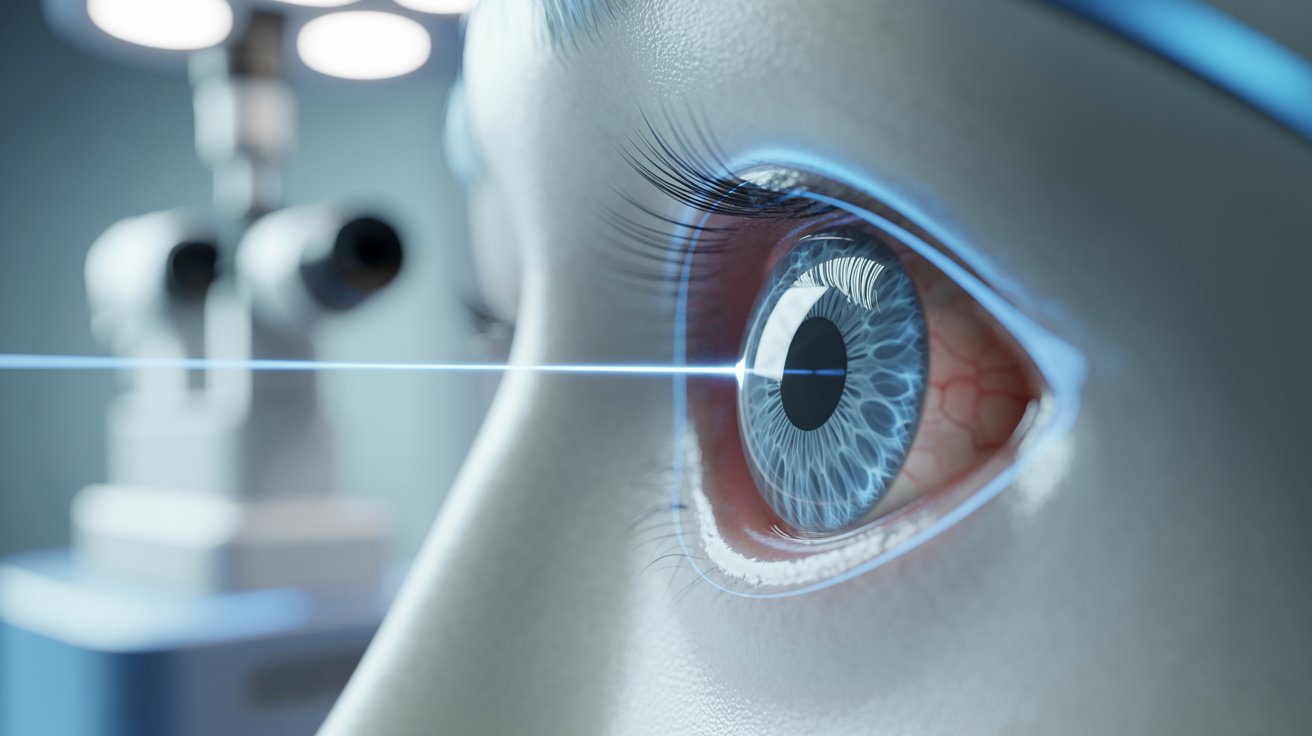
The retina is a thin layer of tissue located at the back of your eye. It contains millions of light-sensitive cells known as photoreceptors that convert light into electrical signals. These signals are sent to the brain, allowing you to see images clearly. Damage to this tissue disrupts that communication pathway, leading to blurred or lost vision.
What Is Retinal Damage?
Retinal damage refers to any injury, disease, or degenerative condition that harms the retina’s structure or function. Common causes include aging, diabetes, high blood pressure, trauma, and eye diseases such as macular degeneration or retinal detachment. When these conditions interfere with blood flow or cause tissue breakdown, vision loss can occur.
Can glasses help a damaged retina?
What Will Happen If the Retina Gets Damaged?
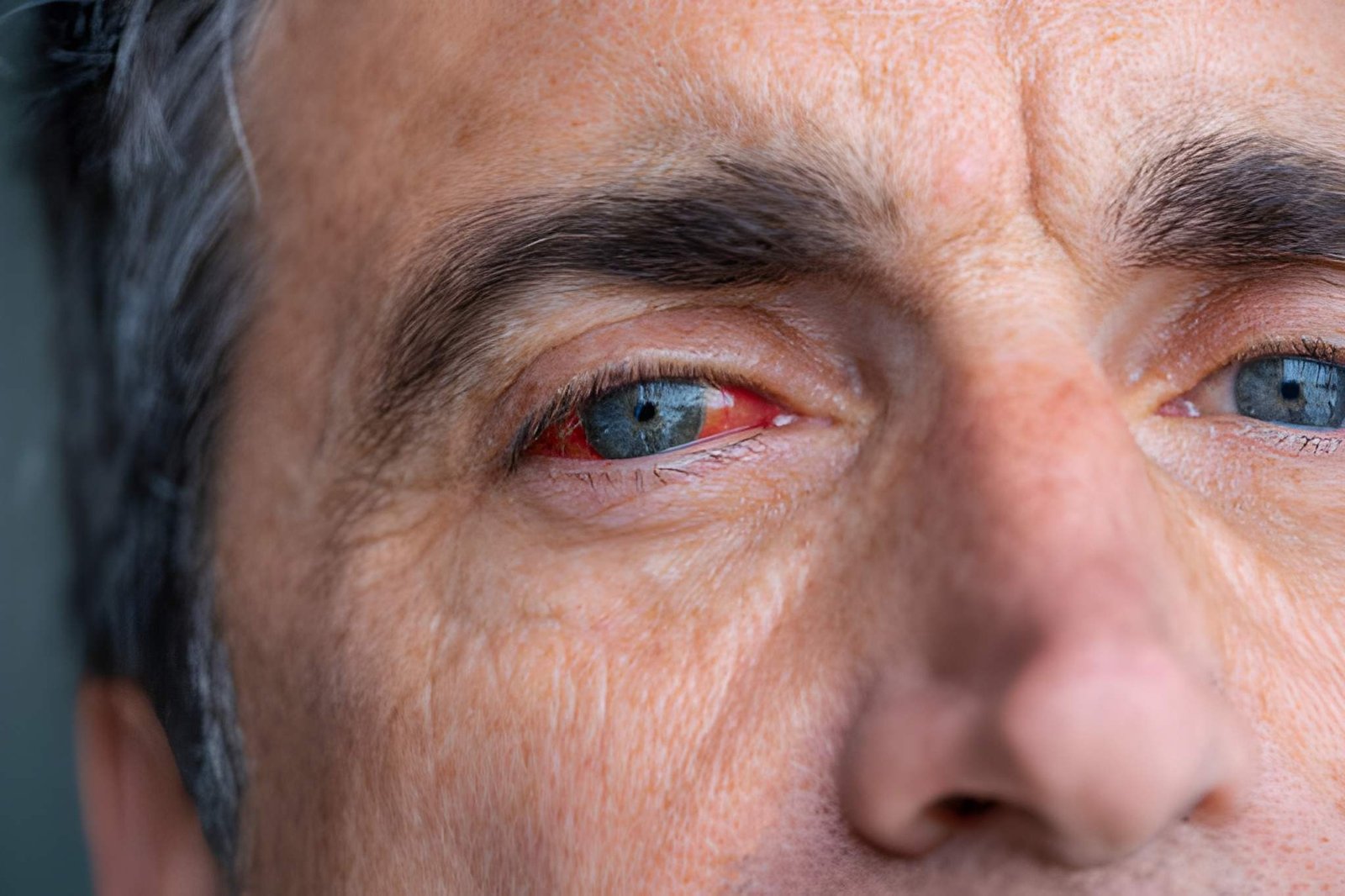
If the retina becomes damaged, you may experience symptoms like blurry or distorted vision, dark spots, reduced peripheral vision, flashes of light, or sudden vision loss. The extent of damage determines the severity of visual impairment. In severe cases, untreated retinal conditions can result in permanent blindness.
What Are the Signs of Retinal Damage?
Recognizing early signs of retinal damage can make a significant difference in treatment outcomes. Common symptoms include:
- Sudden appearance of floaters or flashes
- Blurry or wavy central vision
- Shadow or curtain over part of your visual field
- Difficulty seeing in dim light
- Partial or total vision loss in one or both eyes
- If you notice any of these warning signs, seek immediate medical evaluation from an eye care professional.
Can eye drops help with retina problems?
What Are the Types of Retinal Diseases and Conditions?
Several conditions can cause retinal damage and potential blindness, including:
- Retinal detachment: The retina separates from its underlying tissue, leading to vision loss.
- Macular degeneration: A progressive condition affecting central vision, common in older adults.
- Diabetic retinopathy: High blood sugar damages retinal blood vessels.
- Retinal vein occlusion: A blockage in retinal veins that affects blood supply.
- Retinitis pigmentosa: A genetic disorder that causes gradual vision deterioration.
Which Eye Problems Lead to Blindness?
Beyond retinal diseases, several other eye conditions can contribute to blindness if untreated, such as glaucoma, cataracts, or severe infections. However, retinal disorders are among the leading causes due to their direct impact on the visual processing layer of the eye.
Is Retinal Damage Reversible?
Whether retinal damage is reversible depends on the cause and severity. In some cases, early intervention can halt progression or restore limited vision. However, once a significant number of retinal cells are destroyed, the damage is often permanent. Advances in treatments like laser therapy, injections, and surgery can help stabilize or improve vision in many patients.
How Quickly Does a Detached Retina Need Treatment?
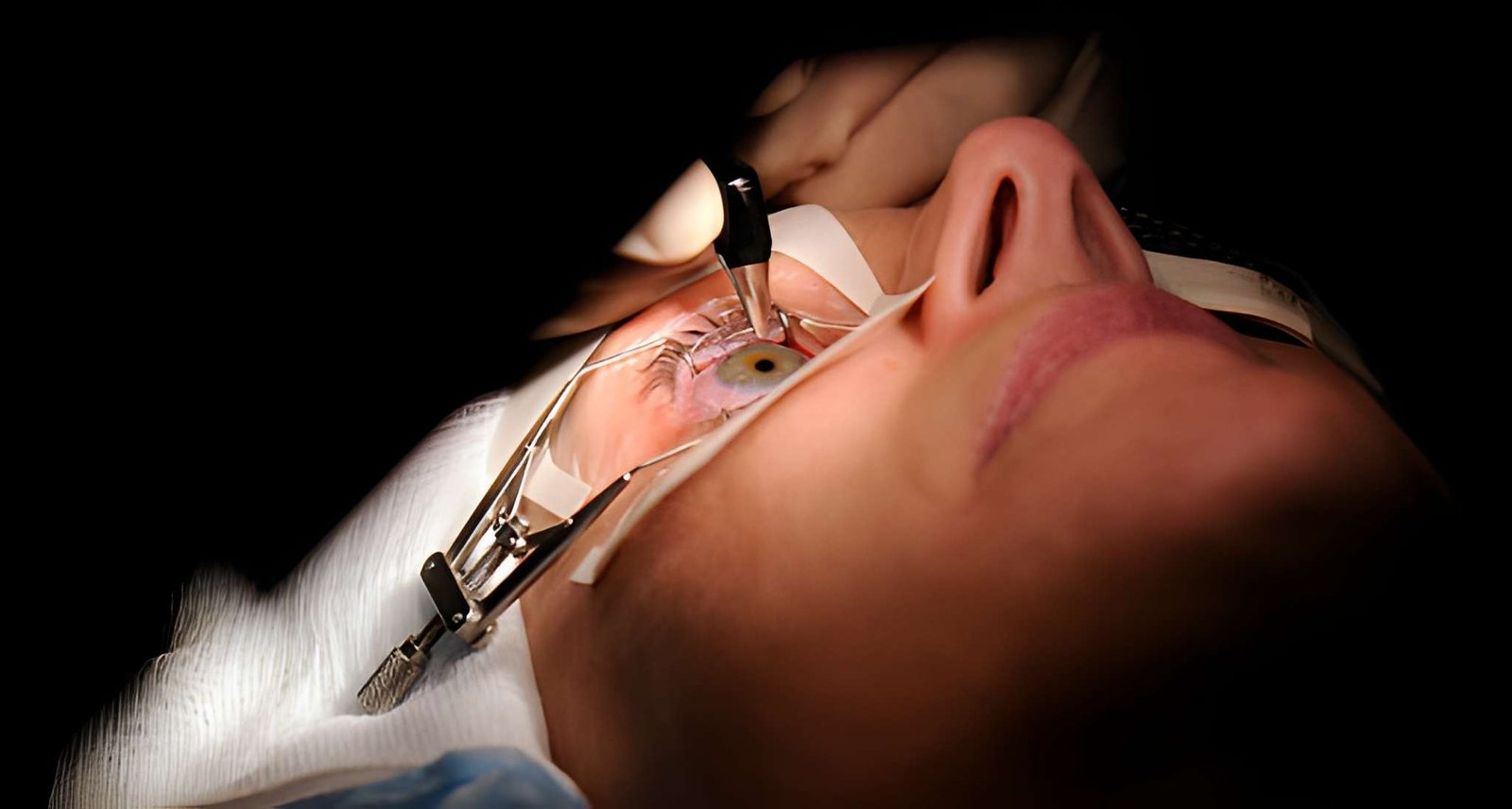
A detached retina is a medical emergency. It is crucial to receive treatment as quickly as possible, ideally within 24 to 72 hours of noticing symptoms. The longer the retina remains detached, the higher the risk of irreversible vision loss. Timely surgery can often restore sight or prevent further decline.
What Are the Chances of Going Blind from Retinal Detachment?
The likelihood of blindness depends on how promptly the detachment is treated. Patients who receive timely surgical intervention often retain useful vision. Delay in treatment substantially increases the risk of permanent blindness in the affected eye.
How Long After Retinal Detachment Will You Go Blind?
Blindness from retinal detachment can occur within days if the detachment involves the central (macular) area. This makes immediate medical care critical. Do not wait for symptoms to improve on their own; vision lost from long-standing detachment is usually irreversible.
Can Medical Treatment Restore Eyesight Lost from Retinal Detachment?
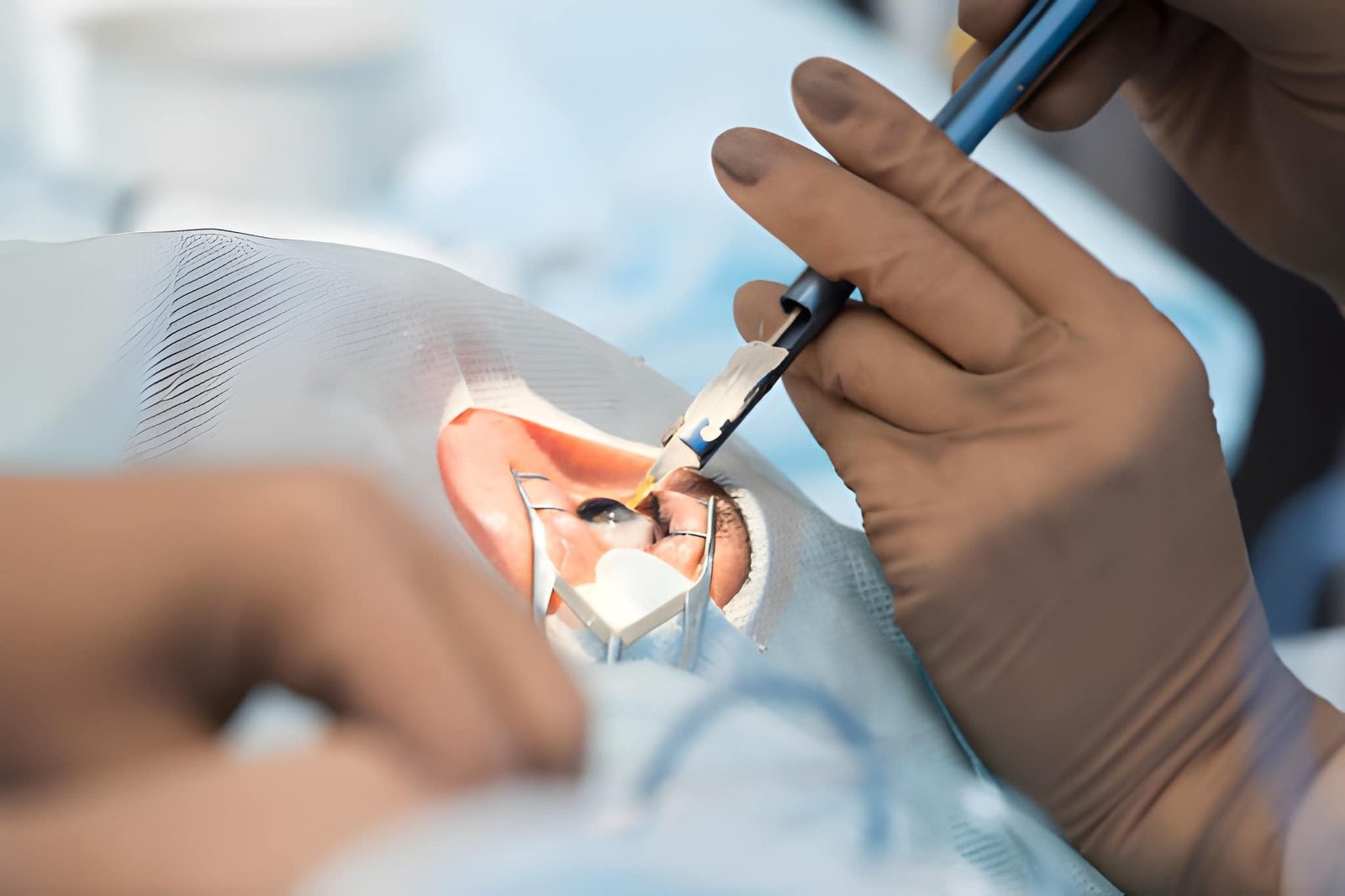
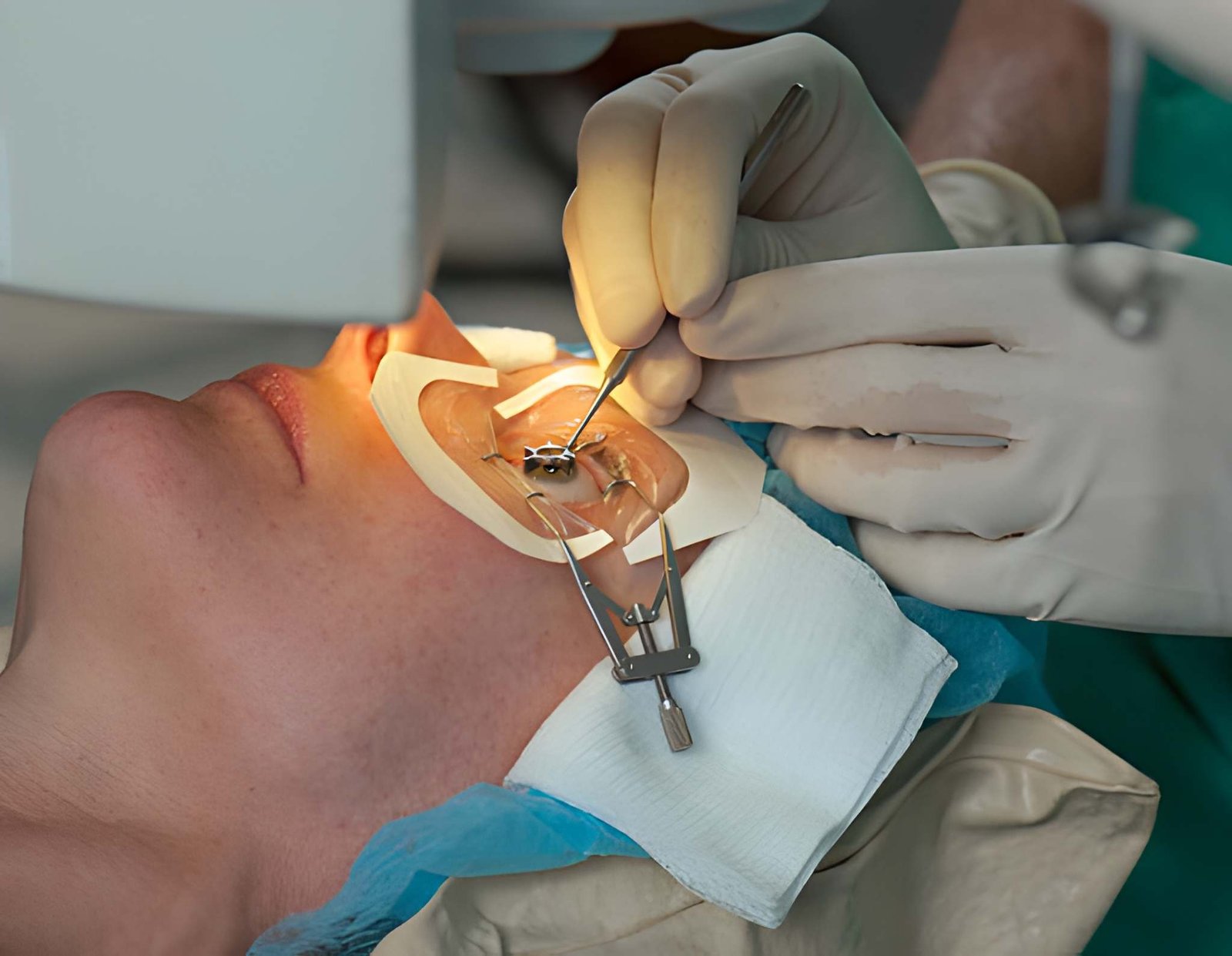
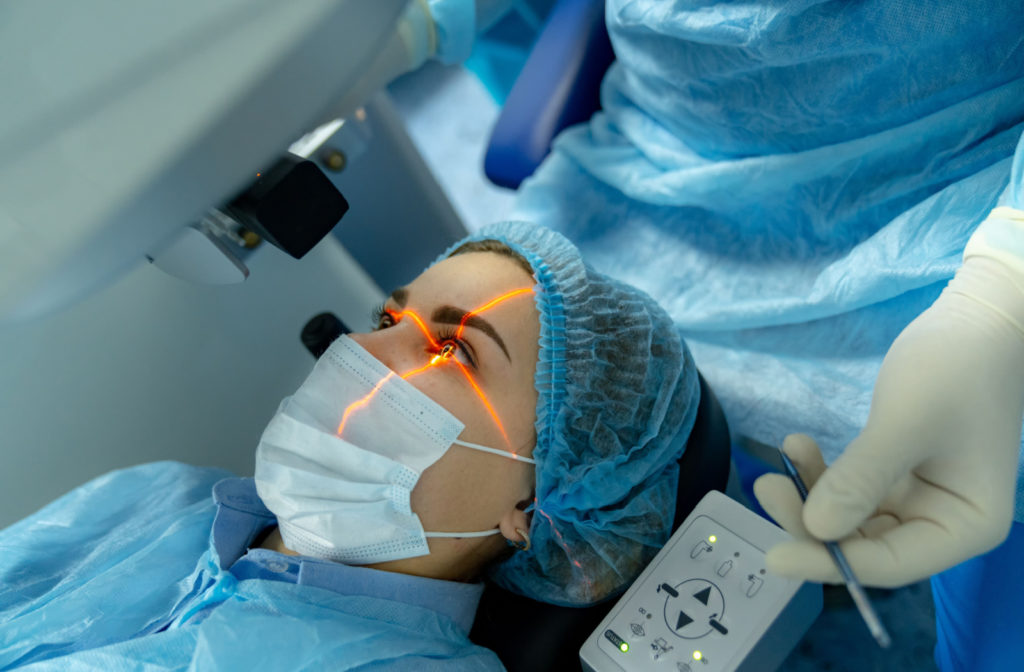
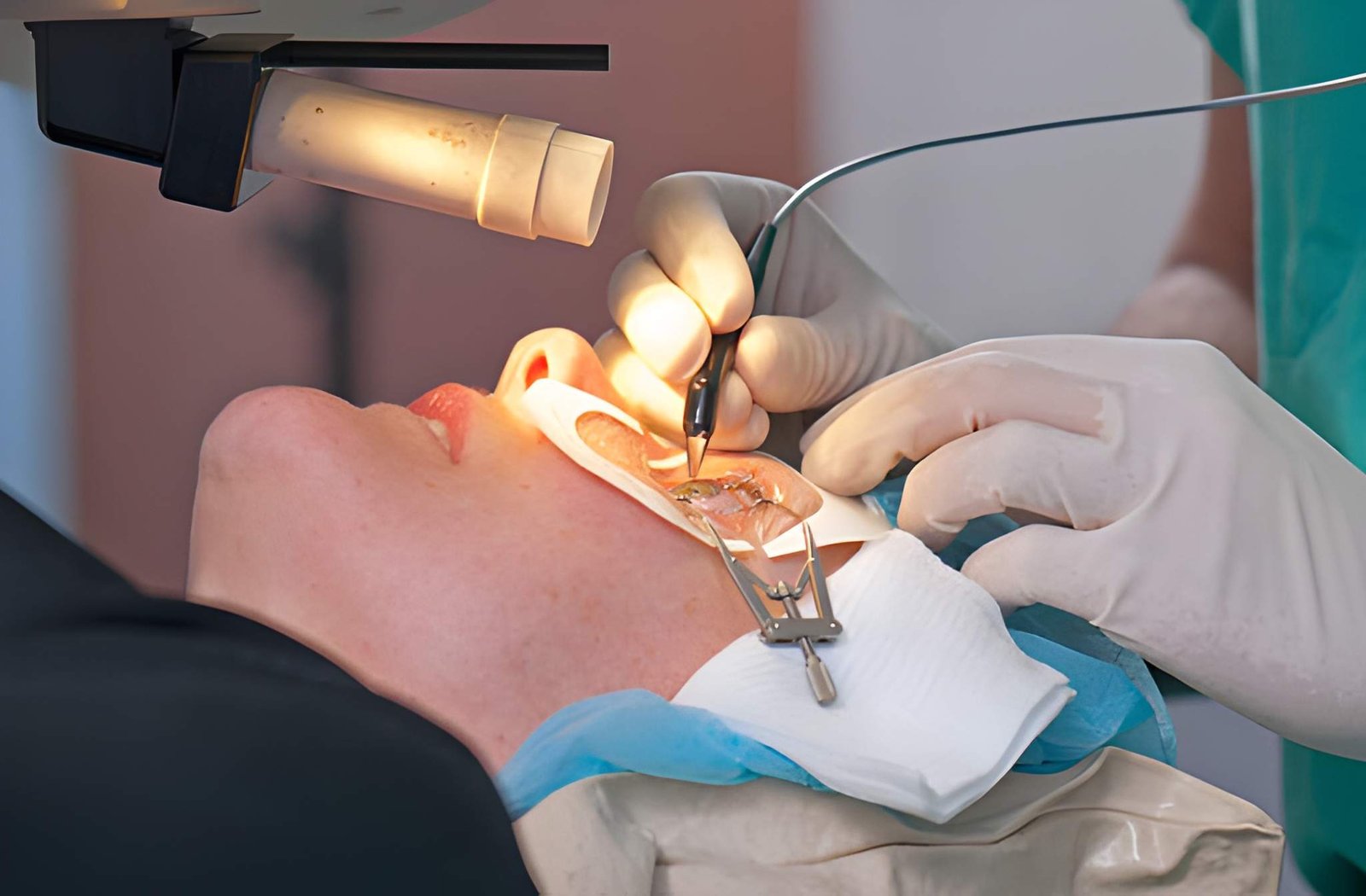
Modern medical and surgical options, such as laser repair, cryotherapy, or vitrectomy, can reattach the retina and potentially restore vision if performed early. However, if damage has been present for a long time or the macula is severely affected, vision recovery may be limited.
What are the first signs of retina problems?
What Are the Warning Signs of a Detached Retina?
Watch for early symptoms such as flashes of light, a sudden increase in floaters, or the impression of a dark curtain across your field of view. These signs often precede complete detachment and warrant immediate medical attention.
What to Do While Waiting for Retinal Detachment Surgery
Before surgery, keep your head still and avoid activities that could worsen the detachment. Rest, avoid heavy lifting, and follow your doctor’s instructions closely. Do not apply pressure to the eye or attempt self-treatment.
Things to Avoid with Retinal Detachment
Avoid strenuous activity, bending, or any motion that increases pressure in the eye. Preventing additional traction on the retina can reduce the risk of further separation and preserve remaining vision.
Early Treatment Is Key
Immediate diagnosis and treatment are the best defenses against blindness from retinal damage. Regular eye examinations help detect issues before symptoms appear, allowing for preventative care and early intervention.
Takeaway
Retinal damage is a serious condition but not always a guaranteed path to blindness. Understanding its causes, symptoms, and treatments gives you the power to act quickly and protect your vision. If you suspect retinal issues, seek professional evaluation without delay.
FAQs
1. Can retinal damage heal on its own?
No, retinal damage rarely heals by itself. Prompt medical attention is essential to prevent further deterioration.
2. How can I prevent retinal damage?
Maintain a healthy diet, control blood sugar and blood pressure, use protective eyewear, and schedule regular eye exams to detect issues early.
3. Is retinal detachment painful?
No, retinal detachment typically isn’t painful, but it causes sudden changes in vision such as flashes and floaters that require urgent care.
4. Can vision lost from macular degeneration be restored?
While there is no cure for macular degeneration, treatments and lifestyle changes can slow its progression and preserve remaining vision.
5. When should I see a doctor for sudden vision changes?
Any sudden vision loss, flashes, floaters, or perception of a dark shadow warrants immediate medical consultation to rule out retinal detachment or other emergencies.