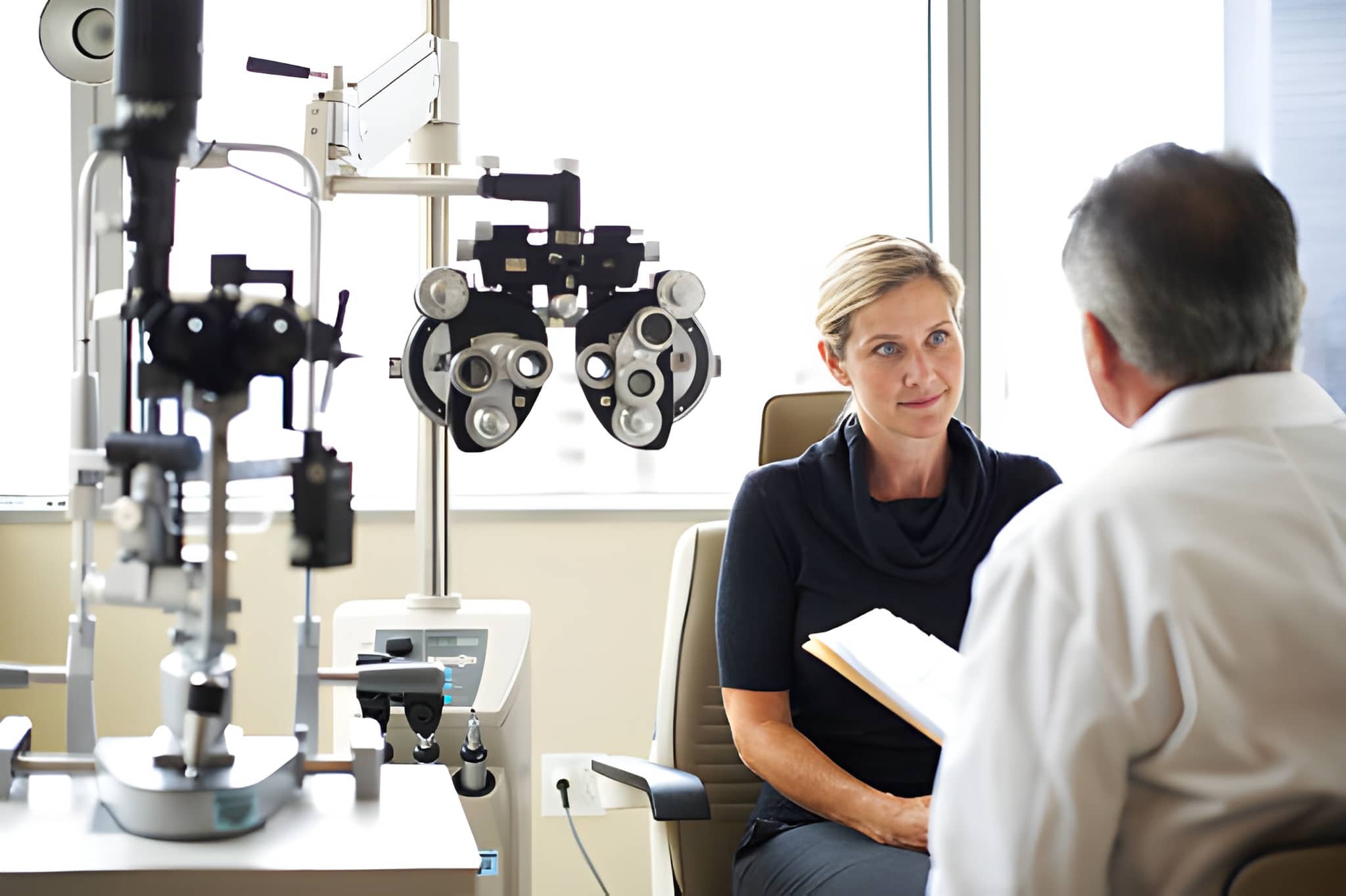
Choosing the right eye doctor in Dubai plays an important role in protecting your long-term vision and overall eye health. With many clinics and specialists available, making the right choice can feel overwhelming. This guide explains what to look for in an eye specialist and how to choose a clinic that suits your needs with confidence.
Understanding the Difference Between Eye Care Professionals
Before booking an appointment, it helps to understand the different types of eye care specialists:
Ophthalmologist
A medical doctor trained to diagnose and treat eye diseases, perform eye surgery, and prescribe medication and corrective lenses.Optometrist
A healthcare professional who provides eye examinations, vision testing, and prescribes glasses or contact lenses.Optician
A technician who fits and adjusts glasses or contact lenses based on a prescription provided by an ophthalmologist or optometrist.
Knowing the difference helps you choose the right professional for your specific concern.
Identify Your Eye Care Needs
Start by understanding why you need to see an eye specialist. You may need a routine eye check-up, help with blurry vision, treatment for eye discomfort, or specialist care for an existing condition. Clear goals make it easier to select the right type of eye doctor and clinic.
Check Qualifications and Licensing
Always ensure the eye doctor is properly licensed in the UAE and holds recognized medical or professional qualifications. Additional training or certifications in areas such as surgery, paediatric eye care, or vision therapy can be valuable depending on your needs.
Consider the Doctor’s Experience
Experience is especially important when dealing with complex eye conditions or procedures. Ask about the doctor’s years of practice and their experience with treatments related to your condition. A well-established background often reflects strong clinical confidence and consistency.
Read Patient Reviews and Testimonials
Patient reviews can provide useful insight into appointment experiences, communication style, and overall satisfaction. Look for balanced, consistent feedback rather than isolated opinions, focusing on professionalism, clarity, and patient care.
Clinic Facilities and Technology
Modern eye care relies heavily on advanced equipment. Well-equipped clinics often offer:
Digital retinal imaging
Laser-based diagnostic tools
Automated vision testing systems
These technologies support accurate diagnosis, comfort, and efficient treatment planning
Specialist Services Beyond Routine Eye Care
Many eye clinics in Dubai offer specialized services, including:
Advanced diagnostic testing for early detection of conditions such as glaucoma or macular degeneration
Paediatric eye care using child-friendly assessment methods
Functional and aesthetic eyelid procedures for medical or cosmetic needs
Vision therapy programmes designed for children and adults
Choosing a clinic with broader expertise can be helpful if your needs change over time.
Insurance, Costs, and Transparency
Before confirming an appointment, check whether your insurance plan covers eye care services. Ask for clear information on consultation fees, treatment costs, and follow-up care to avoid unexpected charges later.
Location and Accessibility
Convenience matters, especially for ongoing care. A clinic that is easy to reach, offers parking, is close to public transport, and has flexible appointment hours can make regular visits much easier.
Ask for Personal Recommendations
Recommendations from family, friends, or a general healthcare provider can be valuable. Personal referrals often reflect real-world experiences and trusted outcomes.
Avoid Unrealistic Promises
A reliable eye specialist will explain treatment options clearly and honestly. Be cautious of providers who guarantee perfect results, especially for surgical or corrective procedures. Seeking a second opinion is always reasonable.
Common Services Offered by Eye Clinics in Dubai
Comprehensive eye examinations
Treatment for dry eye, cataracts, and glaucoma
Refractive procedures such as LASIK and PRK
Personalized vision correction plans
Patient-Focused and Culturally Aware Care
Dubai serves a diverse population. Clinics that offer multilingual support and culturally sensitive care often provide a more comfortable and personalized experience for both residents and international patients.
Important Questions to Ask During Your Consultation
What treatment options are suitable for my condition?
Are there any risks or limitations?
How much experience do you have with this treatment?
What follow-up care is required?
Why Dubai Is a Popular Destination for Eye Care
Dubai has become a recognized destination for eye care due to advanced medical facilities, internationally trained specialists, and efficient appointment scheduling. Many patients choose Dubai for its combination of technology, expertise, and convenience.
Maintaining Long-Term Eye Health
Good eye health goes beyond routine check-ups. Simple habits can make a difference:
Follow the 20-20-20 rule when using screens
Wear UV-protective sunglasses outdoors
Stay hydrated and eat foods rich in Vitamin A
Seek prompt care if you notice vision changes
Book Your Consultation with Dr. Qasim Qasem
If you are looking for personalized, professional eye care in Dubai, Dr. Qasim Qasem offers patient-focused consultations backed by clinical expertise and modern diagnostic approaches. Whether you need a routine eye examination, treatment for an eye condition, or specialist guidance, you will receive clear advice and tailored care at every step. Take control of your eye health today by booking a consultation and getting expert support designed around your individual needs.
Frequently Asked Question
How often should adults have an eye exam?
Most adults should have a comprehensive eye exam every one to two years. Those with existing conditions may need more frequent checks.
Is eyelid surgery always cosmetic?
No. Eyelid procedures can also correct functional issues such as drooping lids that interfere with vision.
What signs suggest a child needs an eye exam?
Common signs include squinting, frequent headaches, sitting too close to screens, or difficulty concentrating at school.
Who can benefit from vision therapy?
Vision therapy can help children with visual coordination issues and adults experiencing eye strain or visual fatigue.
What technology should a modern eye clinic use?
Advanced clinics typically use retinal scanners, corneal mapping tools, visual field analysers, and laser-based systems for accurate diagnosis and treatment.